


WEST AFRICAN MANATEE
Trichechus senegalensis
DESCRIPTION
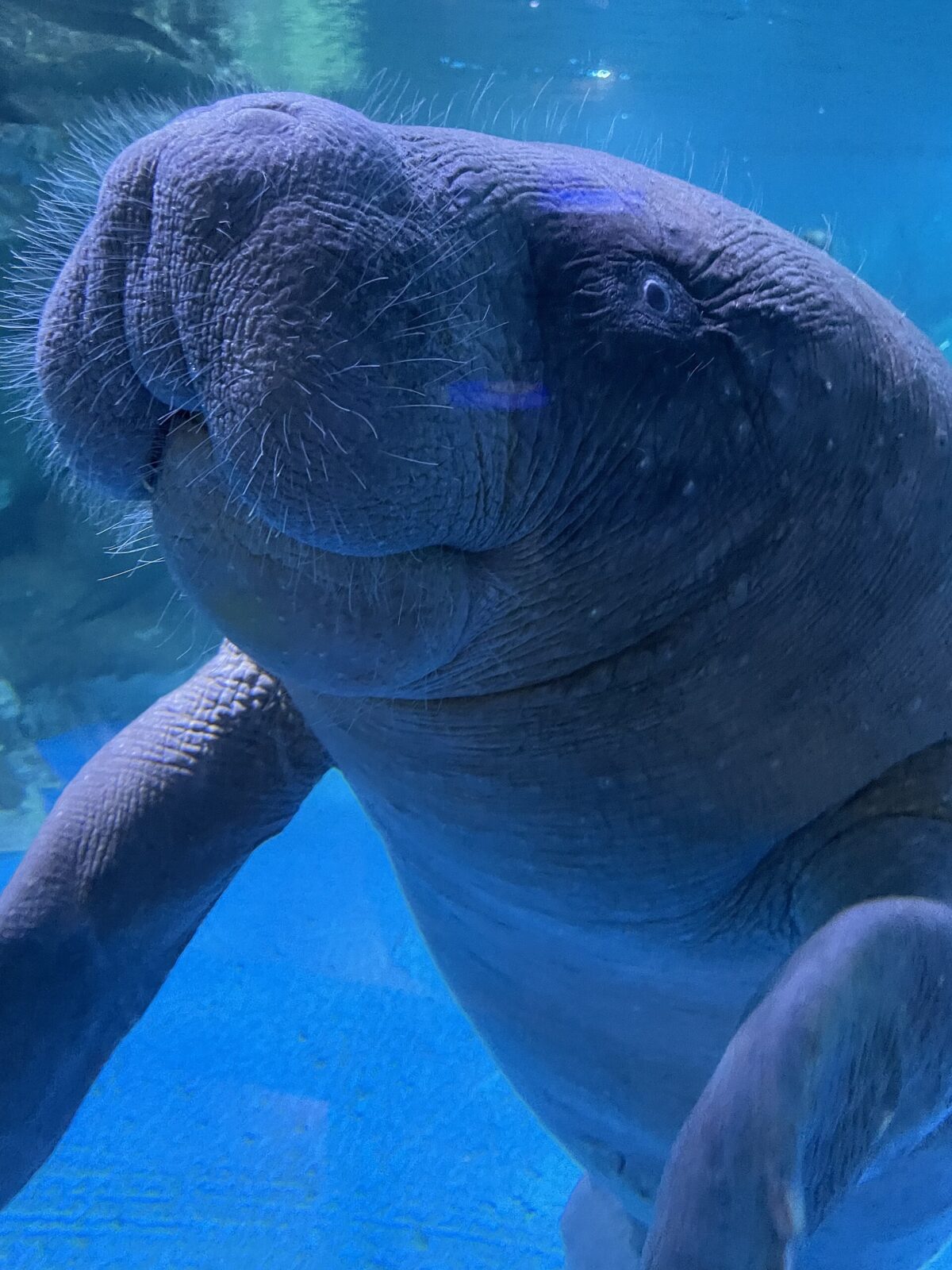
West African Manatee (Trichechus senegalensis) is commonly known as the African Manatee and Senegal Manatee. This large aquatic mammal has a robust body, paddle-like flippers, and a flattened tail, which it uses for propulsion in the water. They are generally grayish-brown in color, with a wrinkled skin texture that helps them blend into their murky freshwater habitats, and they can often be seen grazing on aquatic vegetation in rivers and coastal areas.
FUN FACTS
- West African Manatees are known for their gentle nature and slow movements, often described as 'sea cows' due to their grazing habits on underwater vegetation
- They have a unique ability to hold their breath for up to 20 minutes while foraging underwater, allowing them to dive deep to reach their favorite food sources
- | Unlike many marine mammals, West African Manatees do not have a layer of blubber for insulation; instead, they rely on warm water temperatures to maintain their body heat
- This makes them particularly vulnerable to cold water temperatures, which can be detrimental to their health
QUICK INFO
Lifespan30-40 years in the wild
Average Weight400-600 kg
Average Length2.5-4 m
Diet TypeHerbivore
Social Structuresolitary or small groups, typically consisting of a mother and her calf or a few individuals.
Activity PatternDiurnal
Breeding SeasonYear-round, with peaks in certain regions
- Habitat
- They inhabit shallow coastal waters, rivers, and lagoons, often in areas with abundant vegetation. These manatees prefer warm, brackish waters and can be found in both freshwater and marine environments.
- Biomes
- Freshwater, Coastal
- Native Range
- The native range of the West African Manatee includes the coastal regions and rivers of West Africa, from Senegal to Angola.
- Continent
- Africa
- Countries
- Senegal, Gambia, Guinea, Ivory Coast, Ghana, Nigeria, Cameroon, Angola
- Diet
- West African Manatees are herbivorous, primarily feeding on a variety of aquatic plants, including seagrasses and algae.
- Diet Type
- Herbivore
- Favorite Food
- seagrasses, aquatic plants
- Social Structure
- solitary or small groups, typically consisting of a mother and her calf or a few individuals.
- Activity Pattern
- Diurnal
- Group Size
- 1-5
- Territorial
- 0
 VU
VU
400-600 kg
Weight
2.5-4 m
Length
- Coloration
- grayish-brown with a wrinkled skin texture
- Lifespan
- 30-40 years in the wild
- Gestation Period
- 12 months
- Offspring per Birth
- 1
- Sexual Maturity
- 3-5 years
- Breeding Season
- Year-round, with peaks in certain regions
VU
Vulnerable
IUCN Red List Status
- Population Status
- The population of West African Manatees is currently declining due to various threats.
- Wild Population Estimate
- 10,000-20,000
- Population Trend
- Decreasing
- Endangered
- 1
- Threats
- Main threats to the West African Manatee include habitat loss due to coastal development, hunting, and entanglement in fishing gear. Additionally, water pollution and boat traffic pose significant risks to their survival.
- Conservation Program
- Various local and international conservation efforts are in place to protect their habitats and reduce hunting.
- Predators
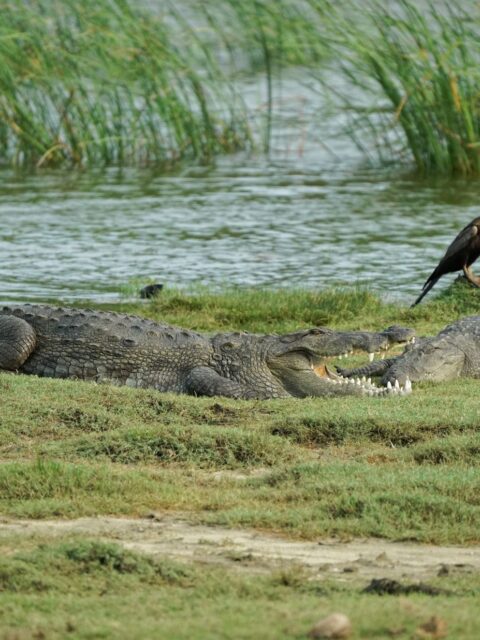
- Humans are the primary threat, but young manatees may be vulnerable to large sharks and crocodiles.
- Found in Zoos
- Uncommon