


WESTERN BURROWING OWL
Athene cunicularia hypugaea
DESCRIPTION
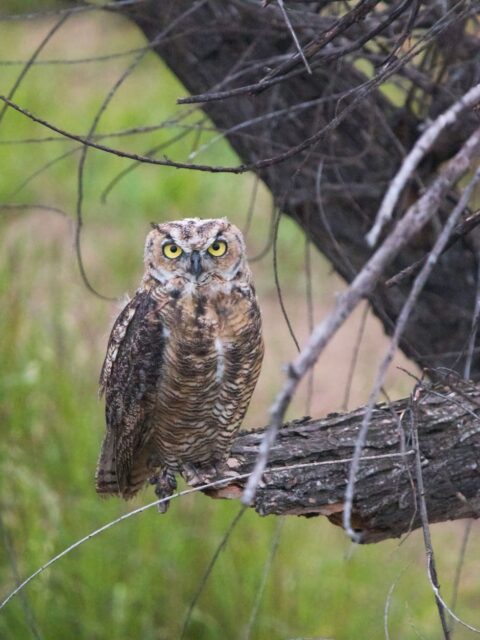
The Western Burrowing Owl is a small, ground-dwelling owl characterized by its long legs and distinctive yellow eyes. It has a mottled brown and white plumage that provides excellent camouflage against its arid habitat. Unlike most owls, this species is active during the day, often seen perched on low vegetation or near its burrow, where it hunts for insects and small mammals.
FUN FACTS
- Western Burrowing Owls are unique among owls for their daytime activity, which allows them to hunt and interact with their environment in a different way than most nocturnal owls
- They are also known to use dung as a form of camouflage, placing it near their burrows to attract insects for food
- | These owls have a distinctive behavior of bobbing their heads and making various vocalizations, which can include a series of chirps and whistles
- This communication is essential for maintaining social bonds and signaling to potential mates
QUICK INFO
Lifespan6-10 years in the wild, up to 15 in captivity
Average Weight150-250 g
Average Length20-25 cm
Diet TypeInsectivore
Social Structurepair or group, often seen in small family groups during the breeding season
Activity PatternDiurnal
Breeding SeasonSpring (March-June)
- Habitat
- This owl prefers open grasslands, deserts, and agricultural fields where it can easily dig burrows or occupy those made by other animals. It often nests in abandoned burrows of prairie dogs or other small mammals.
- Biomes
- Grassland, Desert
- Native Range
- The Western Burrowing Owl is found across western North America, from Canada to Mexico.
- Continent
- North America
- Countries
- United States, Canada, Mexico
- Diet
- The Western Burrowing Owl primarily feeds on insects, small mammals, and occasionally small birds. Its diet can vary based on the availability of prey in its environment.
- Diet Type
- Insectivore
- Favorite Food
- insects, small mammals
- Social Structure
- pair or group, often seen in small family groups during the breeding season
- Activity Pattern
- Diurnal
- Group Size
- 2-10
- Territorial
- 1
 LC
LC
 LC
LC
 LC
LC
 LC
LC
150-250 g
Weight
20-25 cm
Length
- Coloration
- mottled brown and white with a lighter underbelly
- Sexual Dimorphism
- males are generally smaller than females
- Lifespan
- 6-10 years in the wild, up to 15 in captivity
- Offspring per Birth
- 2-12
- Sexual Maturity
- 1 year
- Breeding Season
- Spring (March-June)
VU
Vulnerable
IUCN Red List Status
- Population Status
- The population of Western Burrowing Owls is declining in some areas due to habitat loss.
- Wild Population Estimate
- 10,000-20,000
- Population Trend
- Decreasing
- Endangered
- 1
- Threats
- Main threats include habitat destruction due to urban development and agricultural practices, as well as predation by domestic cats and other animals. Pesticide use also impacts their food sources.
- Predators
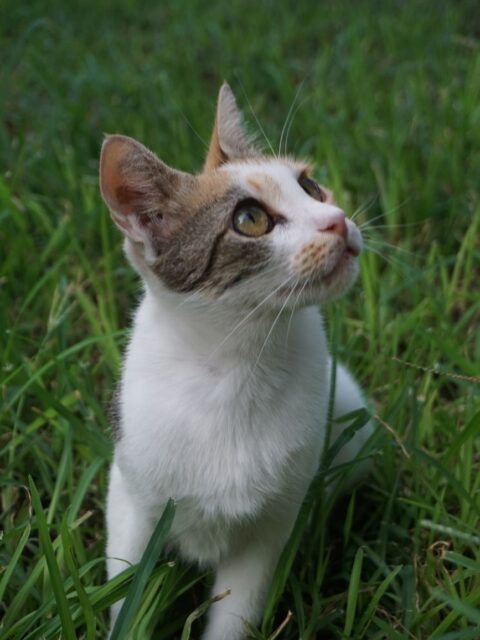
- Red-tailed Hawks, Great Horned Owls, snakes, and domestic cats
- Defense Mechanisms
- They use their burrows for protection and can also exhibit aggressive behavior when threatened.
- Found in Zoos
- Uncommon