


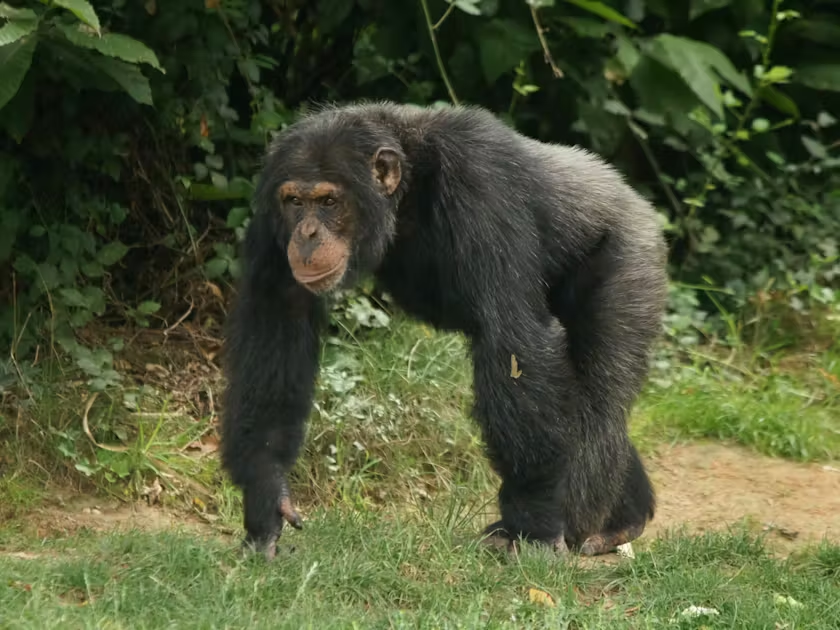
WESTERN CHIMPANZEE
DESCRIPTION
The Western Chimpanzee, or Pan troglodytes verus, is a subspecies of the common chimpanzee characterized by its dark hair and expressive facial features. They exhibit a high degree of social complexity, often forming strong bonds within their communities and displaying a range of emotions. In the wild, they are known for their tool use, such as using sticks to extract termites from mounds, showcasing their intelligence and adaptability to their environment.
FUN FACTS
- Western Chimpanzees are known for their remarkable intelligence, which allows them to use tools in the wild
- For example, they have been observed using leaves as sponges to soak up water for drinking
- | They also exhibit complex social behaviors, such as forming alliances and engaging in cooperative hunting, which highlights their advanced cognitive abilities and social structures
QUICK INFO
Lifespan33 years in the wild, up to 50 in captivity
Average Weight40-70 kg
Average Length1.2-1.5 m
Diet TypeOmnivore
Social StructureThey live in communities with a complex social structure, often led by an alpha male. These communities can exhibit varying degrees of hierarchy and social bonds.
Activity PatternDiurnal
Breeding SeasonYear-round
- Habitat
- They primarily inhabit tropical rainforests and woodlands, where they can find abundant food sources and suitable nesting sites. Their habitat is often characterized by dense vegetation and a diverse array of flora and fauna.
- Biomes
- Tropical Rainforest, Woodland
- Native Range
- Western Chimpanzees are found in West Africa, primarily in countries along the Gulf of Guinea.
- Continent
- Africa
- Countries
- Senegal, Guinea, Ivory Coast, Liberia, Sierra Leone, Nigeria
- Diet
- Western Chimpanzees are omnivorous, consuming a varied diet that includes fruits, leaves, seeds, and occasionally small animals. They are particularly fond of ripe fruits, which make up a significant portion of their diet.
- Diet Type
- Omnivore
- Favorite Food
- Fruits, especially figs and bananas
- Social Structure
- They live in communities with a complex social structure, often led by an alpha male. These communities can exhibit varying degrees of hierarchy and social bonds.
- Activity Pattern
- Diurnal
- Group Size
- 20-150
- Territorial
- 1
 VU
VU
 LC
LC
40-70 kg
Weight
1.2-1.5 m
Length
- Coloration
- Dark brown to black fur with lighter facial features
- Sexual Dimorphism
- Males are generally larger and heavier than females.
- Lifespan
- 33 years in the wild, up to 50 in captivity
- Gestation Period
- 230 days
- Offspring per Birth
- 1
- Sexual Maturity
- 4-6 years
- Breeding Season
- Year-round
CR
Critically Endangered
IUCN Red List Status
- Population Status
- The population of Western Chimpanzees is declining due to habitat loss and hunting.
- Wild Population Estimate
- 50,000-100,000
- Population Trend
- Decreasing
- Endangered
- 1
- Threats
- Main threats include habitat destruction due to logging and agriculture, as well as poaching for bushmeat. These factors have significantly impacted their populations across their range.
- Conservation Program
- Various conservation programs are in place, including habitat protection and anti-poaching initiatives.
- Predators
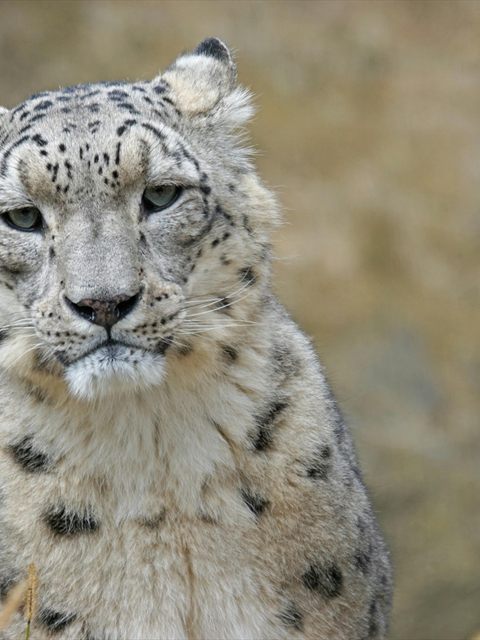
- Leopards, lions, and large snakes are known to prey on Western Chimpanzees, particularly juveniles.
- Defense Mechanisms
- They use vocalizations, aggressive displays, and group cohesion to defend against predators.
- Found in Zoos
- Common