


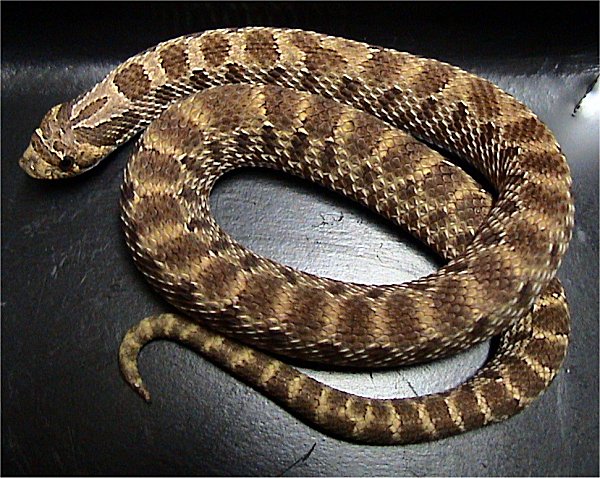
WESTERN HOGNOSE SNAKE
Heterodon nasicus
DESCRIPTION
Western Hognose Snake (Heterodon nasicus) is commonly known as the Plains Hognose Snake and is characterized by its distinctive upturned snout, which aids in burrowing and foraging. This species exhibits a variety of color patterns, including shades of brown, gray, and yellow, often with dark blotches along its body. Behaviorally, they are known for their unique defensive tactics, including playing dead and hissing loudly when threatened, making them fascinating to observe in the wild.
FUN FACTS
- Western Hognose Snakes have a unique method of hunting that involves using their specialized snouts to dig into the ground and uncover hidden toads
- Additionally, they are known for their dramatic defensive displays, which can include rolling onto their backs and playing dead for several minutes, a behavior that often confuses potential predators.|These snakes have a fascinating adaptation that allows them to consume toads, which are often toxic
- They have developed a resistance to the toxins found in toads, enabling them to safely eat these prey items that many other predators avoid
QUICK INFO
Lifespan10-15 years in the wild, up to 20 years in captivi
Average Weight0.5-1.5 kg
Average Length0.6-1.2 m
Diet TypeCarnivore
Social Structuresolitary
Activity PatternDiurnal
Breeding SeasonSpring (April-June)
- Habitat
- These snakes inhabit a range of environments, including grasslands, prairies, and sandy areas. They prefer habitats with loose soil for burrowing and areas with ample cover for hunting.
- Biomes
- Grassland, Prairie
- Native Range
- Western Hognose Snakes are found across the central and western United States, extending into parts of Canada and northern Mexico.
- Continent
- North America
- Countries
- United States, Canada, Mexico
- Diet
- Western Hognose Snakes primarily feed on toads, but they also consume small mammals and other amphibians. Their specialized diet allows them to thrive in environments where these prey items are abundant.
- Diet Type
- Carnivore
- Favorite Food
- toads
- Social Structure
- solitary
- Activity Pattern
- Diurnal
- Group Size
- 1
- Territorial
- 0
 VU
VU

0.5-1.5 kg
Weight
0.6-1.2 m
Length
- Coloration
- Typically brown or gray with darker blotches and a lighter belly.
- Sexual Dimorphism
- Males are generally smaller than females.
- Lifespan
- 10-15 years in the wild, up to 20 years in captivi
- Gestation Period
- 60-70 days
- Offspring per Birth
- 6-20
- Sexual Maturity
- 2-3 years
- Breeding Season
- Spring (April-June)
LC
Least Concern
IUCN Red List Status
- Population Status
- The population of Western Hognose Snakes is currently stable, though local declines may occur due to habitat loss.
- Wild Population Estimate
- Unknown
- Population Trend
- Stable
- Endangered
- 0
- Threats
- Main threats include habitat destruction and road mortality. These factors can significantly impact local populations, especially in areas with high human activity.
- Predators
- Birds of prey, larger snakes, and mammals such as raccoons and foxes.
- Defense Mechanisms
- When threatened, Western Hognose Snakes may flatten their necks, hiss loudly, and even play dead to deter predators.
- Found in Zoos
- Common