


WESTERN LESSER SIREN
Siren intermedia
DESCRIPTION
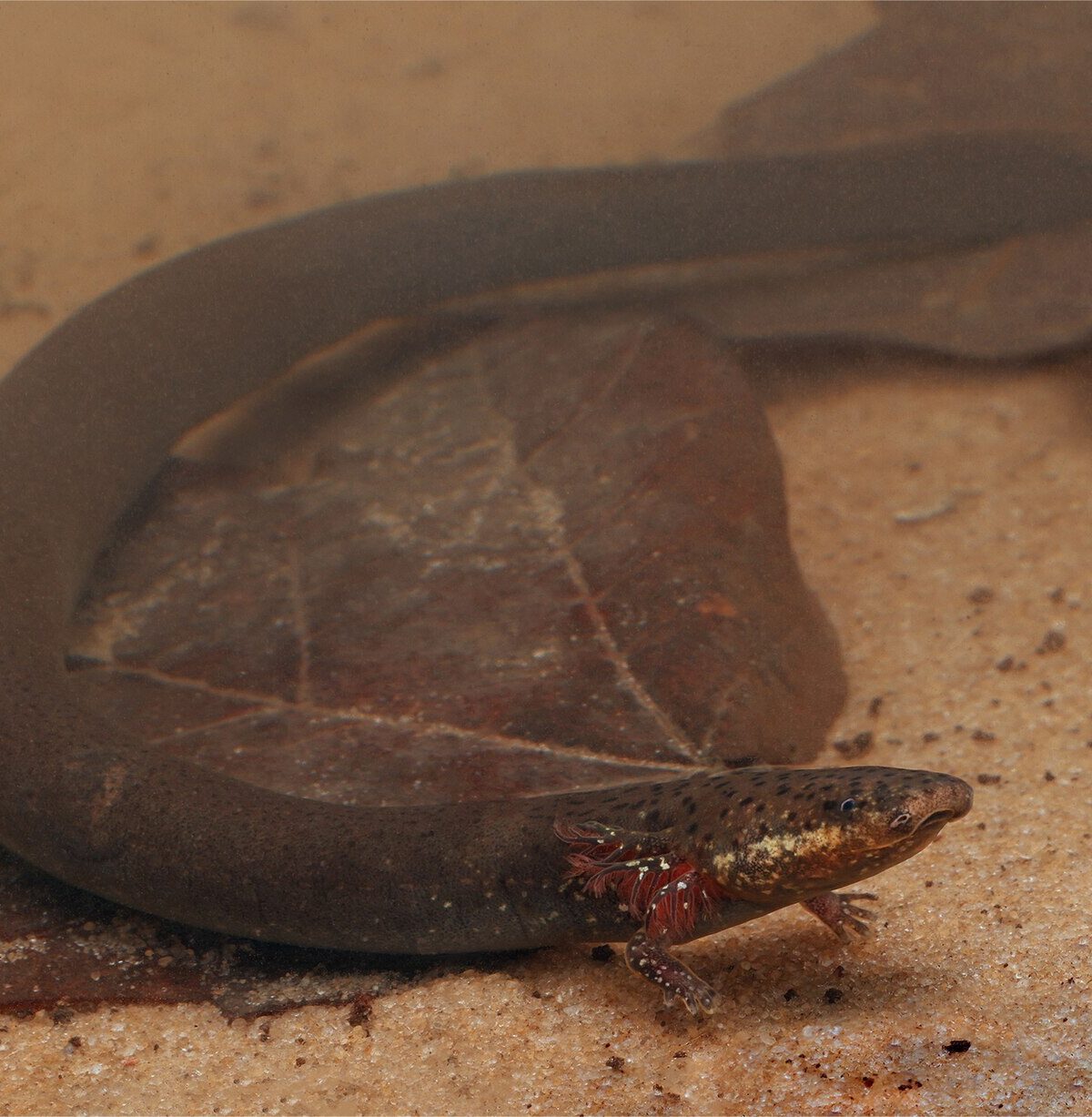
Western Lesser Siren (Siren intermedia) is a species of aquatic salamander characterized by its elongated body and reduced limbs. It typically exhibits a dark brown to gray coloration with lighter mottling, which helps it blend into its aquatic environment. This species is primarily found in slow-moving waters and wetlands, where it spends much of its time buried in mud or hiding among vegetation.
FUN FACTS
- Western Lesser Sirens are unique among salamanders as they retain their larval features throughout their lives, a condition known as neoteny
- This means they have external gills and a long, slender body, which is quite different from the typical adult form of most salamanders
- | They are capable of surviving in low-oxygen environments due to their ability to absorb oxygen through their skin, allowing them to thrive in stagnant waters where other species might struggle
QUICK INFO
Lifespan10-15 years in the wild
Average Length25-30 cm
Diet TypeCarnivore
Social Structuresolitary, typically found alone or in pairs during breeding.
Activity PatternNocturnal
Breeding SeasonSpring (April-June)
- Habitat
- This species inhabits shallow, slow-moving waters such as swamps, marshes, and ponds. They prefer areas with abundant vegetation and soft substrates for burrowing.
- Biomes
- Wetlands, Freshwater
- Native Range
- The Western Lesser Siren is native to the southeastern United States, particularly in regions with suitable wetland habitats.
- Continent
- North America
- Countries
- United States
- Diet
- Western Lesser Sirens primarily feed on small invertebrates and detritus found in their aquatic habitats. They use their suction feeding technique to capture prey efficiently.
- Diet Type
- Carnivore
- Favorite Food
- small invertebrates, detritus
- Social Structure
- solitary, typically found alone or in pairs during breeding.
- Activity Pattern
- Nocturnal
- Group Size
- 1-2
- Territorial
- 0
 LC
LC
 VU
VU
25-30 cm
Length
- Coloration
- dark brown to gray with lighter mottling
- Lifespan
- 10-15 years in the wild
- Offspring per Birth
- 20-100
- Sexual Maturity
- 2-3 years
- Breeding Season
- Spring (April-June)
LC
Least Concern
IUCN Red List Status
- Population Status
- The population status is currently stable, but habitat loss poses a potential threat.
- Population Trend
- Stable
- Endangered
- 0
- Threats
- Main threats include habitat destruction due to urban development and pollution. These factors can lead to declines in suitable habitats for breeding and feeding.
- Predators
- Fish, birds, and larger amphibians are known predators of the Western Lesser Siren.
- Defense Mechanisms
- They can secrete mucus to deter predators and may also burrow into the substrate to avoid detection.
- Found in Zoos
- Uncommon