


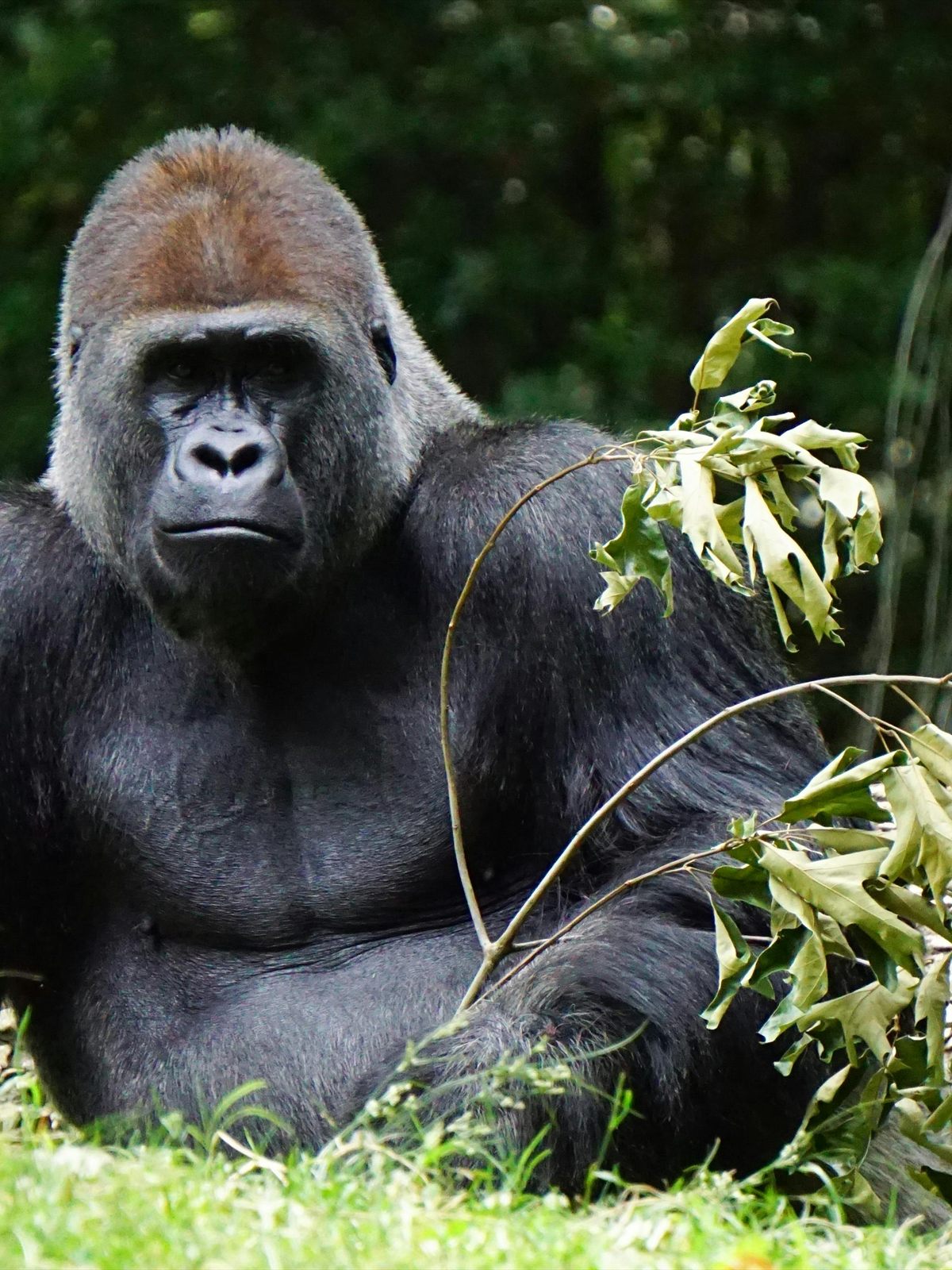
WESTERN LOWLAND GORILLA
Gorilla gorilla gorilla
DESCRIPTION
The Western Lowland Gorilla is a subspecies of the western gorilla and is known for its smaller size compared to other gorilla species. They are characterized by their long arms, broad chests, and a gentle demeanor.
FUN FACTS
- Western Lowland Gorillas can use tools, such as sticks, to help them forage for food | They have unique nose prints, similar to human fingerprints | They are known for their strong family bonds and nurturing behavior towards their young
QUICK INFO
Lifespan35-40 years in the wild, up to 50 in captivity
Average Weight70-150 kg
Average Length1.4-1.8 m
Diet TypeHerbivore
Social Structuregroup — typically live in family groups consisting of a dominant male, several females, and their offspring
Activity PatternDiurnal
Breeding Seasonyear-round
- Habitat
- Western Lowland Gorillas inhabit dense tropical rainforests, swamps, and lowland forests. They prefer areas with abundant vegetation for foraging.
- Biomes
- Tropical Rainforest
- Native Range
- Central Africa, primarily in the Congo Basin
- Continent
- Africa
- Countries
- Cameroon, Central African Republic, Republic of the Congo, Democratic Republic of the Congo, Gabon
- Diet
- They are primarily herbivorous, feeding on a variety of plant materials including leaves, stems, and fruits. Their diet can also include flowers and bark.
- Diet Type
- Herbivore
- Favorite Food
- fruits, leaves, stems
- Social Structure
- group — typically live in family groups consisting of a dominant male, several females, and their offspring
- Activity Pattern
- Diurnal
- Group Size
- 5-30
- Territorial
- 0
70-150 kg
Weight
1.4-1.8 m
Length
1.2 m at shoulder
Height (Shoulder)
- Coloration
- dark brown to black fur with a lighter face and chest
- Sexual Dimorphism
- males are larger than females
- Lifespan
- 35-40 years in the wild, up to 50 in captivity
- Gestation Period
- about 255 days
- Offspring per Birth
- 1
- Sexual Maturity
- around 10-12 years
- Breeding Season
- year-round
CR
Critically Endangered
IUCN Red List Status
- Population Status
- The population is declining due to habitat loss and poaching.
- Wild Population Estimate
- 100,000-200,000
- Population Trend
- Decreasing
- Endangered
- 1
- Threats
- Main threats include habitat destruction due to logging and agriculture, as well as poaching for bushmeat and the illegal pet trade.
- Conservation Program
- Various conservation programs are in place, including habitat protection and anti-poaching initiatives.
- Defense Mechanisms
- They may use their size and strength to intimidate threats, and they can also retreat to dense vegetation for safety.
- Found in Zoos
- Common