



WESTERN POND TURTLE
Actinemys marmorata
DESCRIPTION
The Western Pond Turtle (Actinemys marmorata) is a medium-sized freshwater turtle native to the western United States. It is characterized by its smooth, olive to dark brown shell and distinctive yellow or cream-colored markings on its head and neck.
FUN FACTS
- Western Pond Turtles can live for several decades | They are one of the few native turtle species in the western U.S
- | They play a crucial role in their ecosystem by helping to control aquatic vegetation
QUICK INFO
Lifespan20-40 years in the wild
Average Weight1-2 kg
Average Length15-25 cm
Diet TypeOmnivore
Social Structuresolitary, though they may be seen basking in groups
Activity PatternDiurnal
Breeding SeasonSpring to early summer
- Habitat
- These turtles inhabit slow-moving rivers, ponds, marshes, and lakes, often favoring areas with abundant vegetation. They require basking sites and access to both water and land.
- Biomes
- Freshwater, Wetlands
- Native Range
- The native range of the Western Pond Turtle extends from northern California to southern British Columbia and eastward to western Nevada and Utah.
- Continent
- North America
- Countries
- United States, Canada
- Diet
- Western Pond Turtles are omnivorous, feeding on a variety of aquatic plants, insects, and small fish. They are known to forage both in water and on land.
- Diet Type
- Omnivore
- Favorite Food
- aquatic plants, insects, small fish
- Social Structure
- solitary, though they may be seen basking in groups
- Activity Pattern
- Diurnal
- Group Size
- 1-5
- Territorial
- 0
 LC
LC
 VU
VU
1-2 kg
Weight
15-25 cm
Length
- Coloration
- Olive to dark brown shell with yellow or cream markings
- Sexual Dimorphism
- Males are generally smaller with a concave plastron, while females are larger with a flatter plastron.
- Lifespan
- 20-40 years in the wild
- Offspring per Birth
- 3-10
- Sexual Maturity
- 5-10 years
- Breeding Season
- Spring to early summer
VU
Vulnerable
IUCN Red List Status
- Population Status
- The population is currently declining due to habitat loss and other threats.
- Wild Population Estimate
- Unknown
- Population Trend
- Decreasing
- Endangered
- 1
- Threats
- Main threats include habitat destruction, pollution, and predation by invasive species. Climate change also poses a risk to their habitats.
- Conservation Program
- Various local conservation efforts are in place to protect their habitats and populations.
- Predators
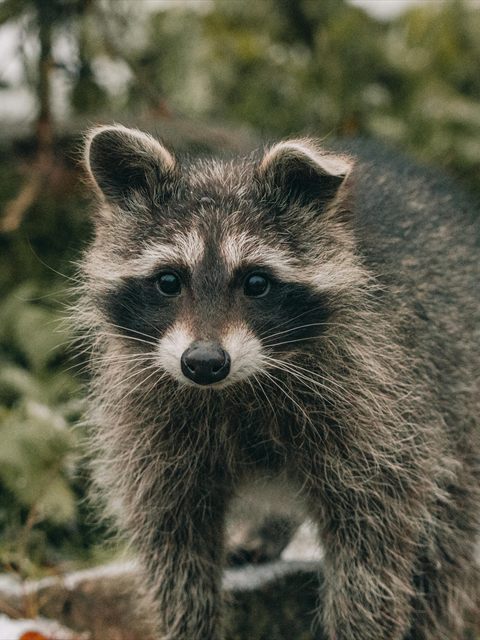
- Raccoons, birds of prey, and domestic animals
- Defense Mechanisms
- They can retract into their shells for protection.
- Found in Zoos
- Uncommon