


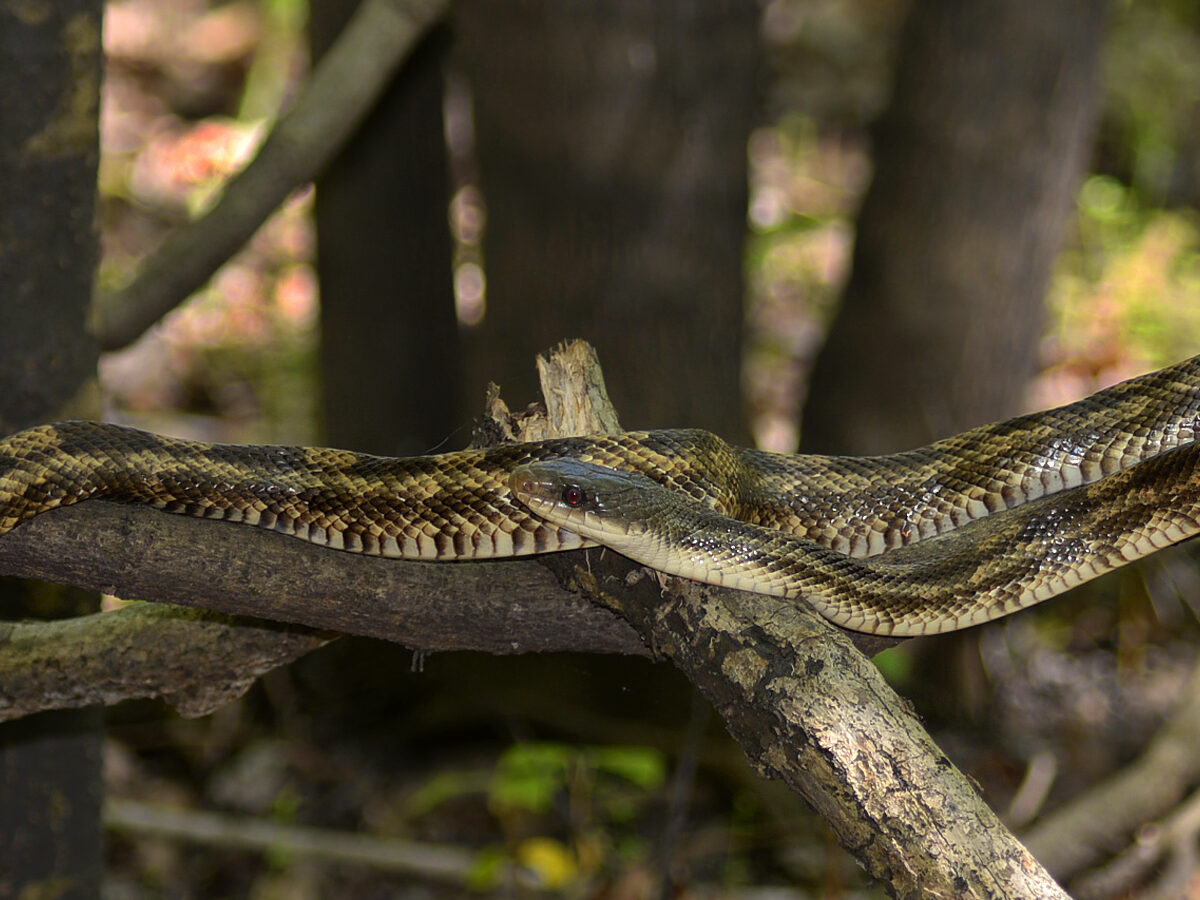
WESTERN RATSNAKE
DESCRIPTION
Also called Eastern Ratsnake and Black Ratsnake, the Western Ratsnake is a non-venomous colubrid species found primarily in the central and eastern United States. It is characterized by its slender body, which can exhibit a variety of color patterns, including black, gray, and yellow, often with a distinctive pattern of blotches. This species is known for its climbing ability and is often found in trees, as well as in a variety of terrestrial habitats, showcasing a diverse ecological adaptability.
FUN FACTS
- Western Ratsnakes are excellent climbers and can often be found in trees, where they hunt for birds and their eggs
- They are also known for their ability to adapt to various habitats, including urban areas, making them one of the most versatile snake species in North America
- | These snakes can vary significantly in color and pattern, with some individuals being almost entirely black while others may have a more mottled appearance
- This variability helps them blend into their surroundings, providing effective camouflage against predators
QUICK INFO
Lifespan10-15 years in the wild, up to 20 years in captivi
Average Weight1-2 kg
Average Length1.2-2.4 m
Diet TypeCarnivore
Social Structuresolitary, typically found alone except during mating season
Activity PatternDiurnal
Breeding SeasonSpring (April-June)
- Habitat
- Western Ratsnakes inhabit a range of environments, including forests, fields, and suburban areas. They are often found near water sources, which provide ample hunting opportunities.
- Biomes
- Temperate Forest, Grassland, Urban
- Native Range
- The species is native to the central and eastern United States, extending from the Great Lakes region down to the Gulf Coast.
- Continent
- North America
- Countries
- United States
- Diet
- Western Ratsnakes primarily feed on small mammals, birds, and their eggs. They are constrictors, subduing their prey before consumption.
- Diet Type
- Carnivore
- Favorite Food
- mice, birds
- Social Structure
- solitary, typically found alone except during mating season
- Activity Pattern
- Diurnal
- Group Size
- 1
- Territorial
- 0
 VU
VU
 LC
LC

 LC
LC
1-2 kg
Weight
1.2-2.4 m
Length
- Coloration
- coloration varies from black to gray with lighter underbellies and may have dark blotches
- Sexual Dimorphism
- males are generally smaller than females
- Lifespan
- 10-15 years in the wild, up to 20 years in captivi
- Gestation Period
- 60-70 days
- Offspring per Birth
- 5-20
- Sexual Maturity
- 2-3 years
- Breeding Season
- Spring (April-June)
LC
Least Concern
IUCN Red List Status
- Population Status
- The population is currently stable, with no significant declines reported.
- Wild Population Estimate
- unknown
- Population Trend
- Stable
- Endangered
- 0
- Threats
- Main threats include habitat destruction and road mortality. Urbanization and agricultural expansion have led to habitat fragmentation, impacting their populations.
- Predators
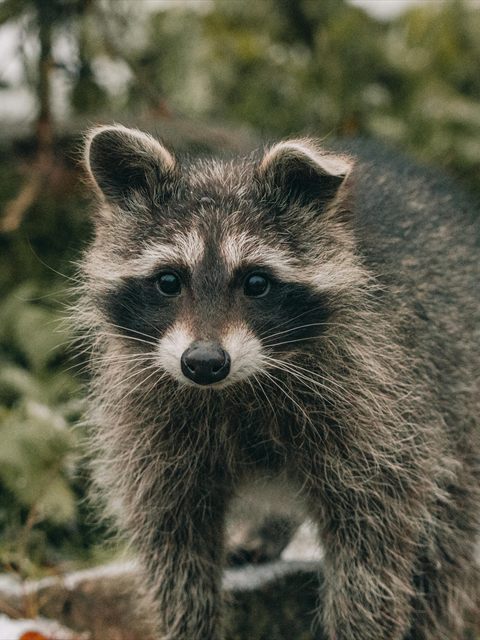
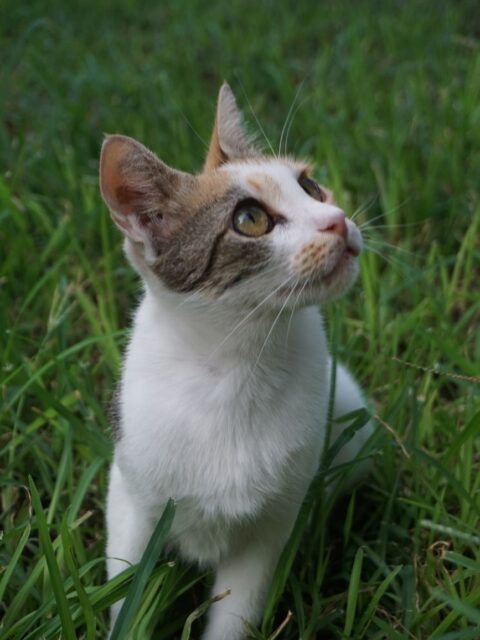
- birds of prey, raccoons, foxes, domestic cats
- Defense Mechanisms
- When threatened, Western Ratsnakes may hiss loudly, flatten their bodies, and may even mimic venomous snakes by displaying a defensive posture.
- Found in Zoos
- Common