


WESTERN SCREECH OWL
Megascops kennicottii
DESCRIPTION
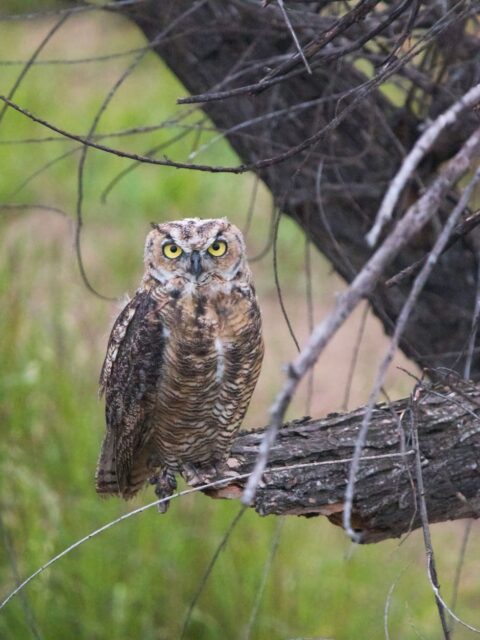
Western Screech Owl (Megascops kennicottii) is a small owl known for its distinctive ear tufts and large yellow eyes. It has a mottled gray and brown plumage that provides excellent camouflage against tree bark. This species is primarily nocturnal, often perching quietly during the day and becoming active at dusk, hunting for small mammals and insects in its wooded habitat.
FUN FACTS
- Western Screech Owls have a unique ability to rotate their heads up to 270 degrees, allowing them to see in all directions without moving their bodies
- This adaptation is crucial for spotting predators and prey in their environment
- | These owls are known for their varied vocalizations, which can include a series of trills and whistles
- Each call serves a different purpose, from attracting mates to warning off intruders, showcasing their complex communication skills
QUICK INFO
Lifespan5-10 years in the wild, up to 15 in captivity
Average Weight150-250 g
Average Length22-27 cm
Diet TypeCarnivore
Social Structuresolitary, pairs during breeding season
Activity PatternNocturnal
Breeding SeasonSpring (March-May)
- Habitat
- These owls inhabit a variety of wooded areas, including deciduous and mixed forests, as well as urban parks. They prefer habitats with ample tree cover for nesting and hunting.
- Biomes
- Temperate Forest, Urban
- Native Range
- Western Screech Owls are found across western North America, from southern Canada to central Mexico.
- Continent
- North America
- Countries
- United States, Canada, Mexico
- Diet
- Western Screech Owls primarily feed on small mammals, birds, and insects. They are skilled hunters, using their keen eyesight and hearing to locate prey.
- Diet Type
- Carnivore
- Favorite Food
- mice, insects, small birds
- Social Structure
- solitary, pairs during breeding season
- Activity Pattern
- Nocturnal
- Group Size
- 1-2
- Territorial
- 1
 LC
LC
 LC
LC
 LC
LC
150-250 g
Weight
22-27 cm
Length
- Coloration
- mottled gray and brown with lighter underparts
- Sexual Dimorphism
- females are generally larger than males
- Lifespan
- 5-10 years in the wild, up to 15 in captivity
- Offspring per Birth
- 2-5
- Sexual Maturity
- 1 year
- Breeding Season
- Spring (March-May)
LC
Least Concern
IUCN Red List Status
- Population Status
- The population of Western Screech Owls is currently stable, though local declines may occur due to habitat loss.
- Wild Population Estimate
- unknown
- Population Trend
- Stable
- Endangered
- 0
- Threats
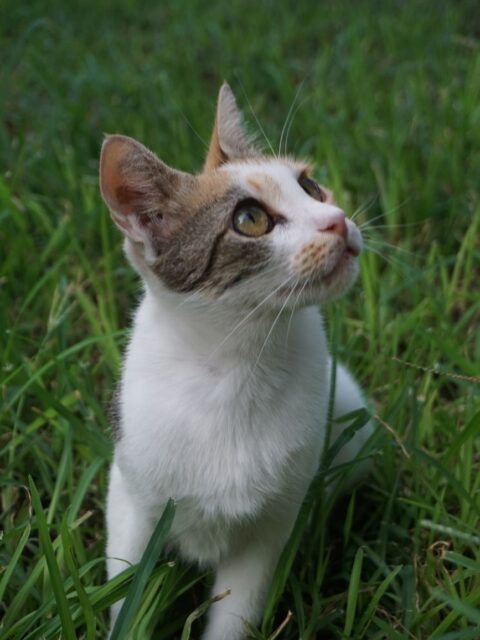
- Main threats include habitat destruction due to urban development and logging. Additionally, they face predation from larger birds of prey and domestic cats.
- Predators
- Great Horned Owl, Red-tailed Hawk, domestic cats
- Defense Mechanisms
- They rely on camouflage and their ability to remain still to avoid detection by predators.
- Found in Zoos
- Uncommon