


WHITE-BACKED DUCK
Thalassornis leuconotos leuconotus
DESCRIPTION
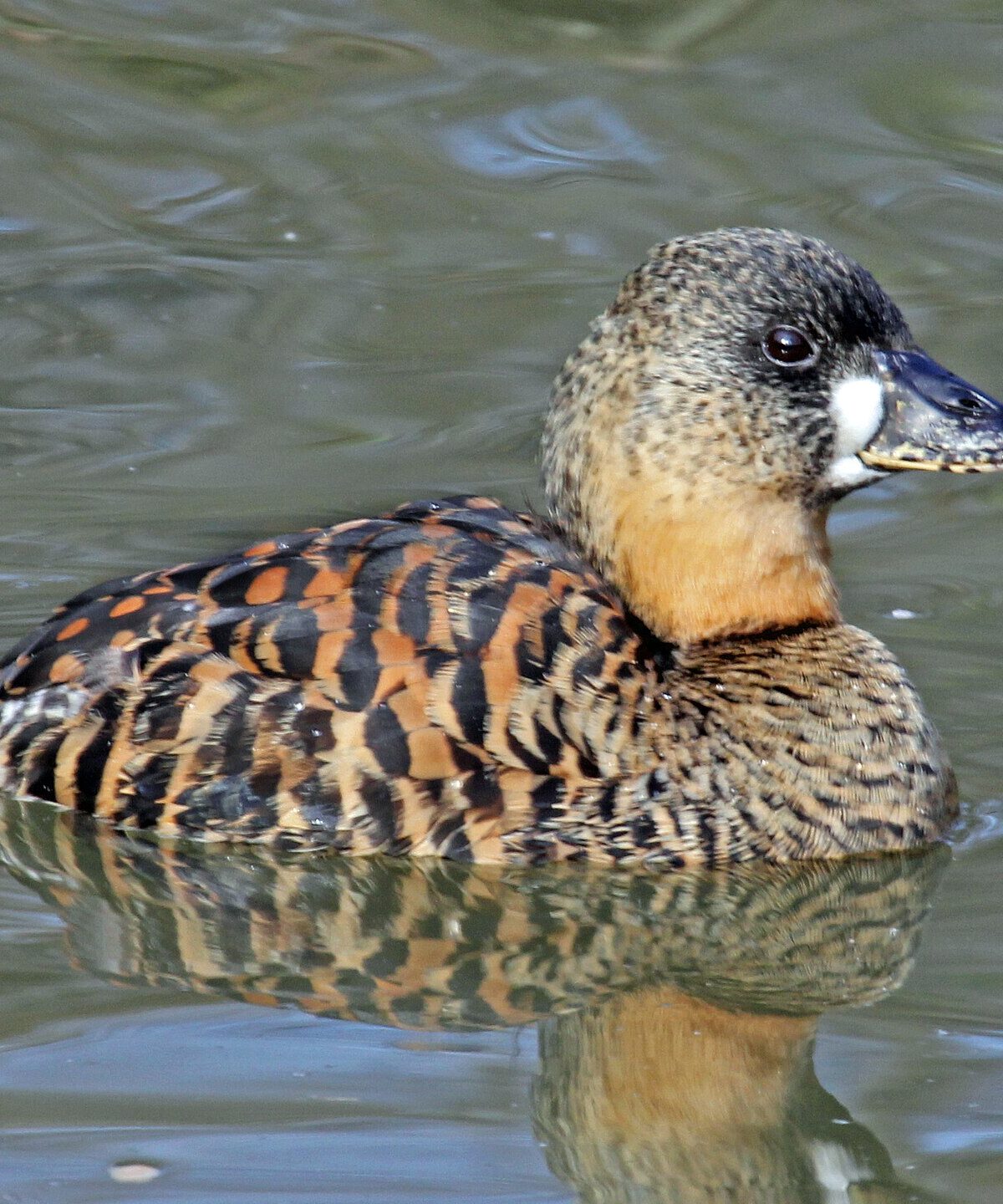
White-backed duck (Thalassornis leuconotos leuconotus) is commonly known as the African white-backed duck. This medium-sized duck is characterized by its distinctive white back and dark brown head, with a striking contrast that makes it easily recognizable. It is often found in freshwater wetlands, where it exhibits a unique behavior of diving and foraging for food underwater, showcasing its adaptability to aquatic environments.
FUN FACTS
- White-backed ducks are excellent divers, capable of staying submerged for up to 30 seconds while foraging for food
- They have a unique courtship display that includes synchronized swimming and vocalizations, which strengthens pair bonds during the breeding season
QUICK INFO
Lifespan5-10 years in the wild
Average Weight600-800 g
Average Length50-60 cm
Diet TypeOmnivore
Social Structurepair or small groups, often seen foraging together
Activity PatternDiurnal
Breeding SeasonSpring to early summer
- Habitat
- This species inhabits freshwater wetlands, marshes, and shallow lakes, often favoring areas with dense vegetation. These habitats provide essential resources for feeding and nesting.
- Biomes
- Wetlands, Freshwater
- Native Range
- The White-backed duck is native to sub-Saharan Africa, particularly in regions with suitable wetland habitats.
- Continent
- Africa
- Countries
- Botswana, Namibia, South Africa, Zambia, Angola
- Diet
- The White-backed duck primarily feeds on aquatic plants, seeds, and invertebrates found in its wetland habitat. It forages by dabbling and diving, using its bill to sift through mud and water.
- Diet Type
- Omnivore
- Favorite Food
- aquatic plants, seeds, invertebrates
- Social Structure
- pair or small groups, often seen foraging together
- Activity Pattern
- Diurnal
- Group Size
- 2-10
- Territorial
- 0
 LC
LC

 LC
LC
600-800 g
Weight
50-60 cm
Length
- Coloration
- dark brown head, white back, and a mix of brown and gray on the body
- Lifespan
- 5-10 years in the wild
- Offspring per Birth
- 6-12 eggs
- Sexual Maturity
- 1-2 years
- Breeding Season
- Spring to early summer
LC
Least Concern
IUCN Red List Status
- Population Status
- The population of White-backed ducks is currently stable, but they are dependent on wetland habitats that are increasingly threatened.
- Wild Population Estimate
- unknown
- Population Trend
- Stable
- Endangered
- 0
- Threats
- Main threats include habitat loss due to wetland drainage and pollution. Climate change also poses a risk to their wetland habitats, affecting their breeding and feeding grounds.
- Predators
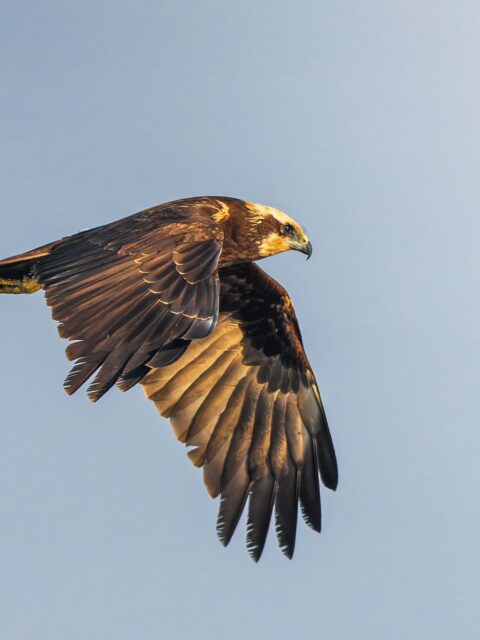
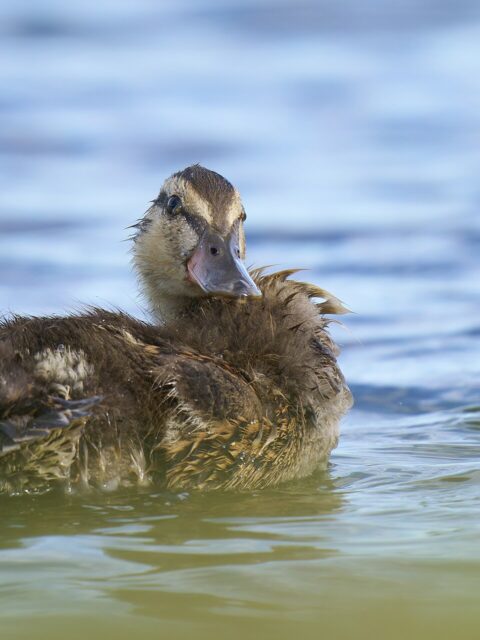
- Marsh harriers, African fish eagles, and various terrestrial mammals may prey on eggs and ducklings.
- Defense Mechanisms
- They rely on their ability to dive and hide among vegetation to evade predators.
- Found in Zoos
- Uncommon