



WHITE-BEARDED WILDEBEEST
DESCRIPTION
The White-Bearded Wildebeest, also known as the Gnu, is a large antelope species characterized by its distinctive white beard and robust body. They are known for their impressive migrations across the African savannas, often traveling in large herds.
FUN FACTS
- They are known for their incredible migrations, which can cover over 1,000 miles | Wildebeests are often referred to as Gnus, which is derived from their vocalizations | They have a unique social structure with strong bonds within herds
QUICK INFO
Lifespan20 years in the wild, up to 25 in captivity
Average Weight120-250 kg
Average Length1.5-2.5 m
Diet TypeHerbivore
Social Structuregroup — they live in large herds for protection and social interaction.
Activity PatternDiurnal
Breeding SeasonLate rainy season (April-June)
- Habitat
- These wildebeests inhabit open grasslands and savannas, where they can find ample grazing opportunities. They are often found in areas with seasonal rainfall that supports grass growth.
- Biomes
- Savanna, Grassland
- Native Range
- They are native to the plains and grasslands of East and Southern Africa.
- Continent
- Africa
- Countries
- Tanzania, Kenya, Botswana, South Africa, Namibia
- Diet
- White-Bearded Wildebeests are herbivores that primarily graze on grasses. They are known to consume a variety of grass species, particularly during the wet season when food is abundant.
- Diet Type
- Herbivore
- Favorite Food
- grasses
- Social Structure
- group — they live in large herds for protection and social interaction.
- Activity Pattern
- Diurnal
- Group Size
- 50-1000
- Territorial
- 0
 LC
LC
 LC
LC
 VU
VU
120-250 kg
Weight
1.5-2.5 m
Length
1.2 m at shoulder
Height (Shoulder)
- Coloration
- dark brown to gray with a distinctive white beard and lighter underbelly
- Sexual Dimorphism
- males are generally larger than females
- Lifespan
- 20 years in the wild, up to 25 in captivity
- Gestation Period
- 240 days
- Offspring per Birth
- 1
- Sexual Maturity
- 2-3 years
- Breeding Season
- Late rainy season (April-June)
LC
Least Concern
IUCN Red List Status
- Population Status
- The population is currently stable, with large migratory herds observed.
- Wild Population Estimate
- 1.5 million
- Population Trend
- Stable
- Endangered
- 0
- Threats
- Main threats include habitat loss due to agriculture and poaching. Climate change also poses a risk to their migratory patterns and food availability.
- Predators
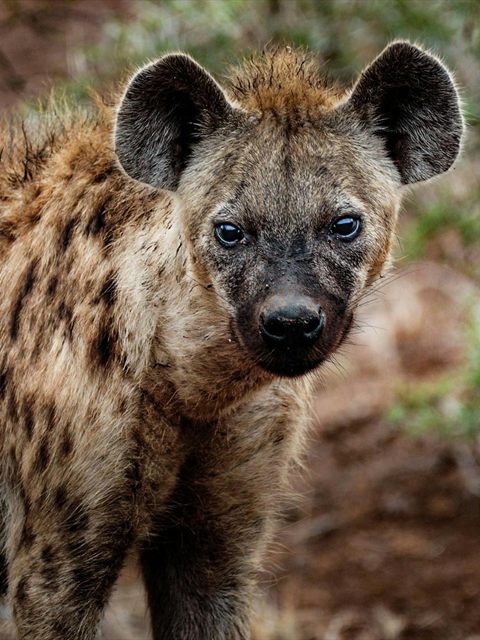
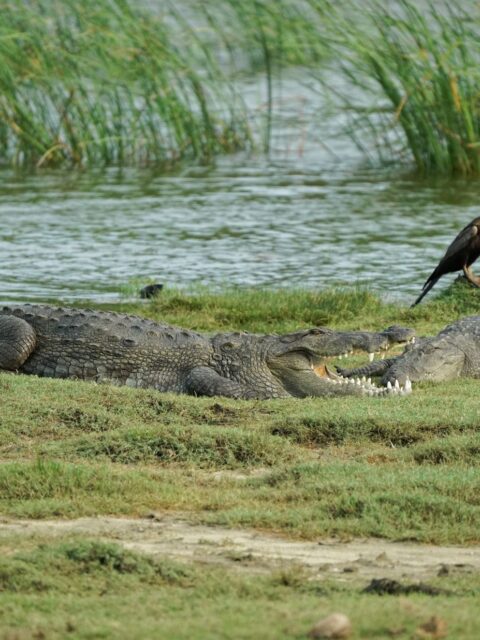
- Lions, hyenas, crocodiles
- Defense Mechanisms
- They rely on their large herd size for protection and can run at high speeds to escape predators.
- Compatible Animals
- Zebras, antelopes, various birds
- Found in Zoos
- Common