



WHITE-HEADED DUCK
Oxyura leucocephala
DESCRIPTION
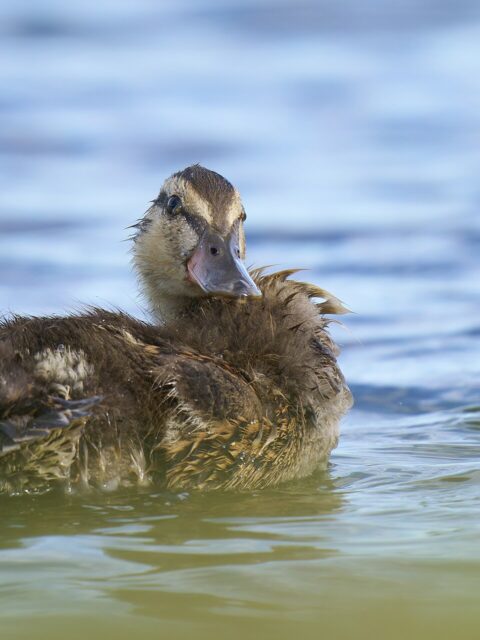
The White-headed Duck is a distinctive diving duck known for its striking appearance, featuring a white head and a blue bill. Males are particularly notable for their vibrant plumage, which includes a chestnut-brown body and a unique tail that is often held upright. This species is primarily found in freshwater habitats, where it exhibits a range of behaviors including diving for food and engaging in courtship displays during the breeding season.
FUN FACTS
- The White-headed Duck is known for its unique courtship display, which involves males performing elaborate swimming patterns and vocalizations to attract females
- This display is not only a visual spectacle but also plays a crucial role in mate selection
- | Interestingly, the White-headed Duck has a unique adaptation that allows it to dive for food, using its specialized body shape and strong legs to propel itself underwater
- This diving ability enables it to access a variety of food sources that are not available to surface-feeding ducks
QUICK INFO
Lifespan5-10 years in the wild
Average Weight700-1,200 g
Average Length35-40 cm
Diet TypeOmnivore
Social Structurepair, often seen in small groups during migration or outside the breeding season
Activity PatternDiurnal
Breeding SeasonSpring (April-June)
- Habitat
- This species inhabits shallow freshwater lakes, marshes, and wetlands, often favoring areas with dense vegetation. It requires clean water bodies for foraging and nesting.
- Biomes
- Wetlands, Freshwater
- Native Range
- The White-headed Duck is native to parts of Europe, North Africa, and Central Asia, with some populations migrating to southern regions during winter.
- Continent
- Europe, Asia, Africa
- Countries
- Spain, Turkey, Egypt, Kazakhstan, Uzbekistan
- Diet
- The White-headed Duck primarily feeds on aquatic plants, seeds, and invertebrates. It forages by diving underwater to access its food sources.
- Diet Type
- Omnivore
- Favorite Food
- aquatic plants, seeds, invertebrates
- Social Structure
- pair, often seen in small groups during migration or outside the breeding season
- Activity Pattern
- Diurnal
- Group Size
- 2-10
- Territorial
- 0
 LC
LC
 LC
LC
 LC
LC
700-1,200 g
Weight
35-40 cm
Length
- Coloration
- Males have a white head, chestnut-brown body, and blue bill, while females are more subdued with a brownish head and body.
- Sexual Dimorphism
- Males are more colorful than females, with distinct plumage differences.
- Lifespan
- 5-10 years in the wild
- Offspring per Birth
- 5-10
- Sexual Maturity
- 1-2 years
- Breeding Season
- Spring (April-June)
EN
Endangered
IUCN Red List Status
- Population Status
- The population of White-headed Ducks is currently considered vulnerable due to habitat loss and hunting.
- Wild Population Estimate
- 5,000-10,000
- Population Trend
- Decreasing
- Endangered
- 1
- Threats
- Main threats include habitat destruction due to agricultural expansion and water pollution. Additionally, hunting poses a significant risk to their populations.
- Conservation Program
- Various conservation programs are in place to protect their habitats and reduce hunting pressure.
- Predators
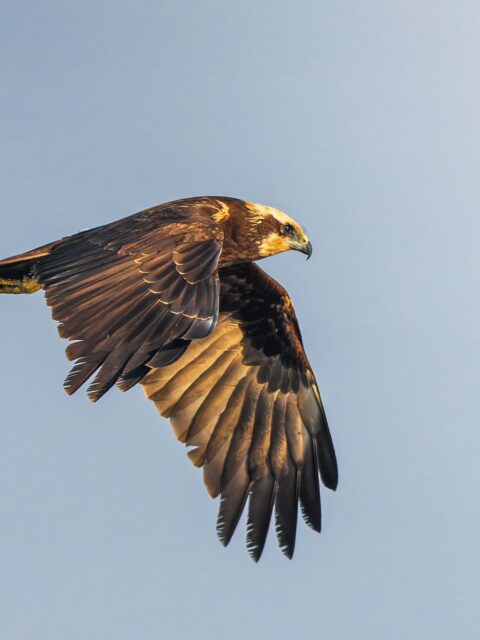
- Marsh harriers, eagles, and various terrestrial mammals may prey on eggs and ducklings.
- Defense Mechanisms
- They rely on their ability to dive and hide among vegetation to evade predators.
- Found in Zoos
- Uncommon