


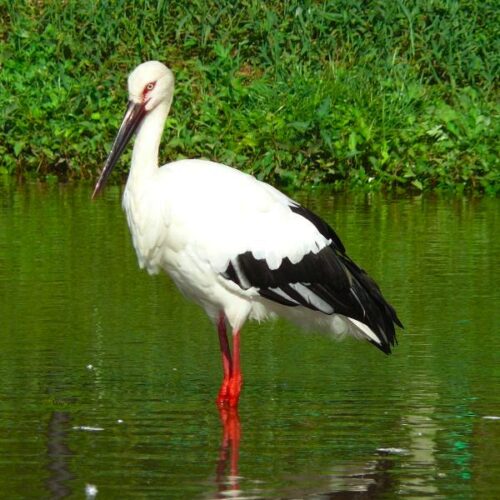
WHITE STORK
Ciconia ciconia
DESCRIPTION
The White Stork is a large, migratory bird known for its striking white plumage and long, slender legs. It has a distinctive long, pointed bill that is primarily used for foraging. These birds are often seen nesting on rooftops and chimneys in human settlements, showcasing their adaptability to urban environments.
FUN FACTS
- White Storks are famous for their migratory behavior, traveling thousands of kilometers between their breeding and wintering grounds
- They are also associated with various cultural myths and legends, often symbolizing fertility and new beginnings
- | The White Stork is known for its impressive nesting skills, often building large nests that can weigh several hundred kilograms
- These nests are reused year after year, sometimes becoming home to multiple generations of storks
QUICK INFO
Lifespan20-30 years in the wild
Average Weight2.0-4.0 kg
Average Length0.8-1.0 m
Diet TypeCarnivore
Social Structurepair, often seen in monogamous pairs during breeding season
Activity PatternDiurnal
Breeding SeasonSpring (March-May)
- Habitat
- White Storks inhabit wetlands, grasslands, and agricultural fields, where they can find ample food sources. They prefer open areas for foraging and often nest in tall structures or trees.
- Biomes
- Wetlands, Grassland, Agricultural
- Native Range
- White Storks are native to Europe, North Africa, and parts of the Middle East, migrating to sub-Saharan Africa during the winter months.
- Continent
- Europe, Africa, Asia
- Countries
- Germany, Poland, Spain, Morocco, Egypt
- Diet
- White Storks primarily feed on a variety of small animals, including insects, amphibians, and small mammals. They are known to hunt in shallow waters and fields, using their keen eyesight to spot prey.
- Diet Type
- Carnivore
- Favorite Food
- insects, frogs, small mammals
- Social Structure
- pair, often seen in monogamous pairs during breeding season
- Activity Pattern
- Diurnal
- Group Size
- 5-30
- Territorial
- 1

 LC
LC
 VU
VU
 LC
LC
2.0-4.0 kg
Weight
0.8-1.0 m
Length
- Coloration
- primarily white with black wing tips and a red bill and legs
- Sexual Dimorphism
- males are generally larger than females
- Lifespan
- 20-30 years in the wild
- Offspring per Birth
- 2-5
- Sexual Maturity
- 3-4 years
- Breeding Season
- Spring (March-May)
LC
Least Concern
IUCN Red List Status
- Population Status
- The population of White Storks is currently stable in many regions, although some areas have seen declines due to habitat loss.
- Wild Population Estimate
- 200,000-300,000
- Population Trend
- Stable
- Endangered
- 0
- Threats
- Main threats include habitat destruction, agricultural intensification, and climate change, which can affect their migratory patterns and food availability.
- Conservation Program
- Various conservation programs are in place across Europe to protect nesting sites and promote sustainable agricultural practices.
- Predators
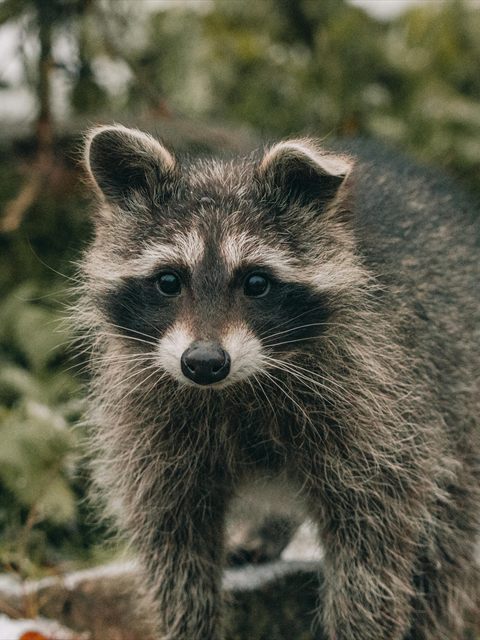
- foxes, eagles, large birds of prey, raccoons
- Defense Mechanisms
- White Storks rely on their size and flight ability to evade predators, often nesting in high locations to avoid ground threats.
- Compatible Animals
- none
- Found in Zoos
- Common