


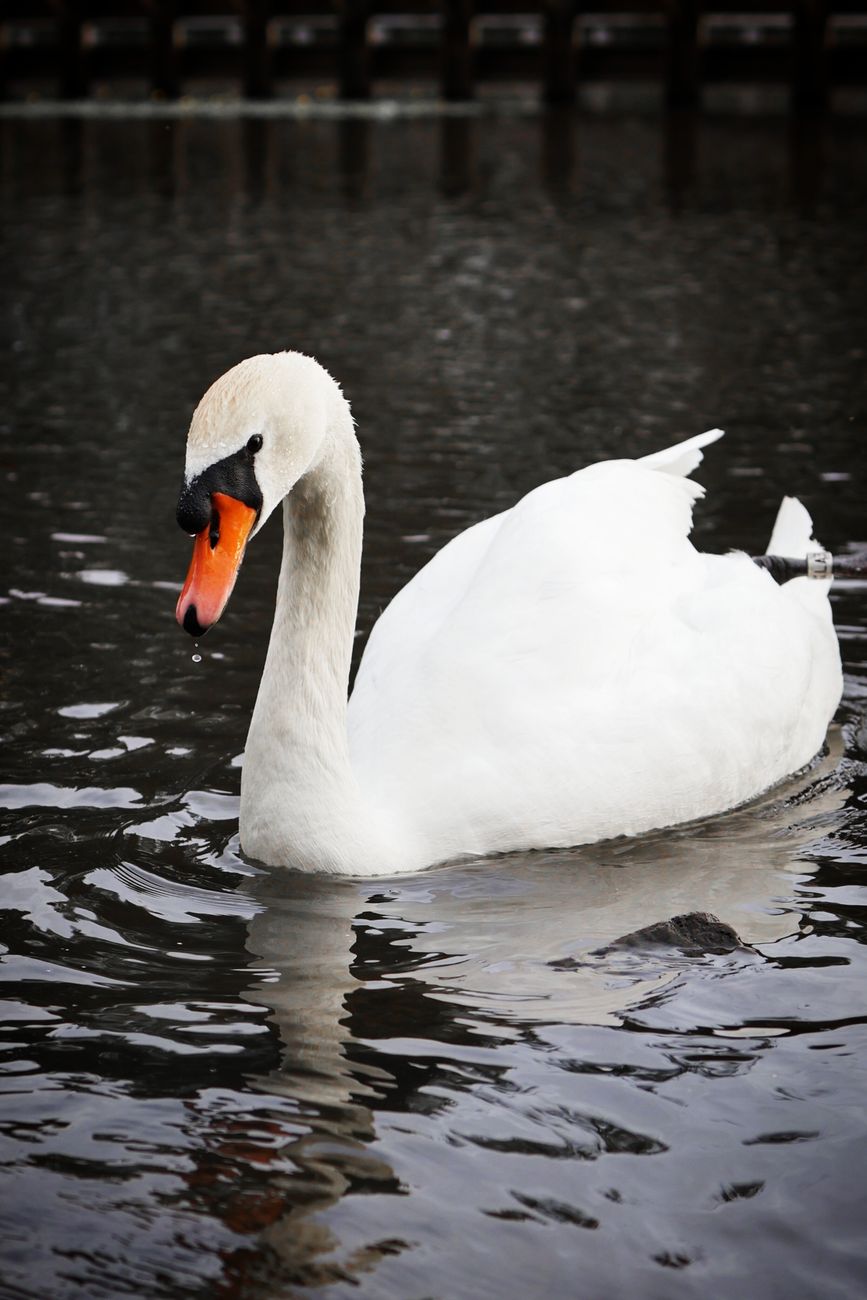
WHITE SWAN
Cygnus olor
DESCRIPTION
White Swan (Cygnus olor), also known as the Mute Swan, is a large waterbird characterized by its elegant long neck and striking white plumage. These swans are known for their graceful swimming and are often seen gliding across lakes and rivers. They are social birds, typically found in pairs or small groups, and are known for their strong territorial behavior during the breeding season.
FUN FACTS
- White Swans are known for their impressive courtship displays, which include synchronized swimming and head bobbing
- These displays are not only beautiful but also serve to strengthen the bond between mating pairs
- | The Mute Swan is called 'mute' not because it is silent, but because it is less vocal than other swan species
- They do make a variety of sounds, including hissing and trumpeting, especially when threatened
QUICK INFO
Lifespan15-20 years in the wild, up to 30 years in captivi
Average Weight8-15 kg
Average Length1.2-1.5 m
Diet TypeHerbivore
Social Structurepair, often forming lifelong bonds
Activity PatternDiurnal
Breeding SeasonSpring (March-May)
- Habitat
- White Swans inhabit freshwater lakes, rivers, and marshes, often preferring areas with abundant vegetation. They require open water for swimming and nesting sites near the shore.
- Biomes
- Freshwater, Wetlands
- Native Range
- Native to Europe and parts of Asia, with some populations introduced to North America and other regions.
- Continent
- Europe, Asia, North America
- Countries
- United Kingdom, France, Germany, Netherlands, Sweden, Russia, United States, Canada
- Diet
- White Swans primarily feed on aquatic vegetation, including leaves, stems, and roots of water plants. They may also consume small invertebrates and fish on occasion.
- Diet Type
- Herbivore
- Favorite Food
- aquatic plants
- Social Structure
- pair, often forming lifelong bonds
- Activity Pattern
- Diurnal
- Group Size
- 2-10
- Territorial
- 1

 LC
LC
 VU
VU
8-15 kg
Weight
1.2-1.5 m
Length
- Coloration
- predominantly white plumage with an orange bill
- Sexual Dimorphism
- males are generally larger than females
- Lifespan
- 15-20 years in the wild, up to 30 years in captivi
- Offspring per Birth
- 3-8
- Sexual Maturity
- 3-4 years
- Breeding Season
- Spring (March-May)
LC
Least Concern
IUCN Red List Status
- Population Status
- The population of White Swans is generally stable, with some local increases due to conservation efforts.
- Wild Population Estimate
- 100,000-200,000
- Population Trend
- Stable
- Endangered
- 0
- Threats
- Main threats include habitat loss due to urban development and pollution of water bodies. Additionally, they face risks from boat traffic and fishing gear.
- Predators
- foxes, raccoons, large birds of prey, and humans
- Defense Mechanisms
- White Swans can be aggressive when defending their territory, using their size and strong wings to deter threats.
- Compatible Animals
- other waterfowl, ducks, geese
- Found in Zoos
- Common