


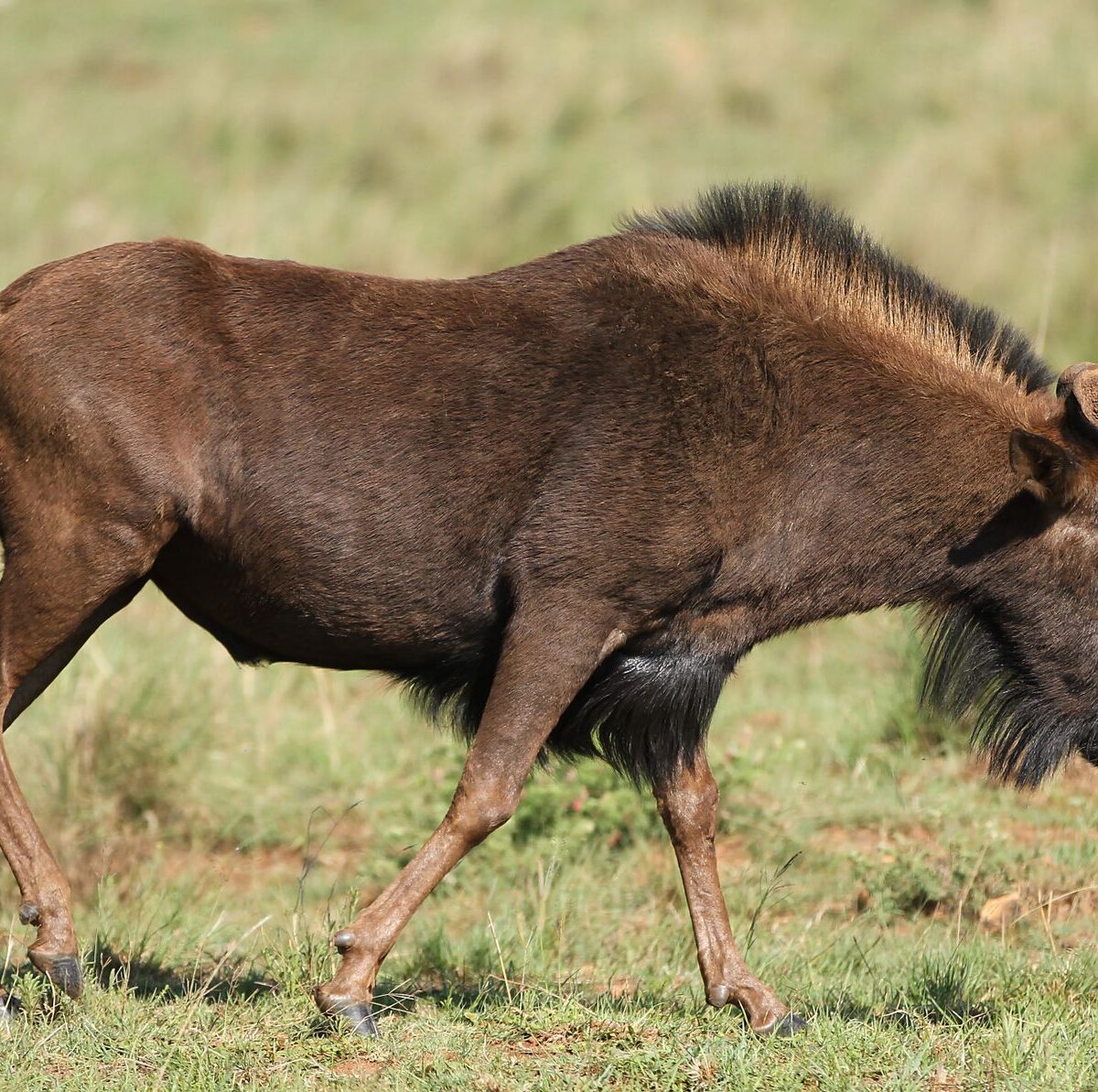
WHITE-TAILED GNU
Connochaetes gnou
DESCRIPTION
White-tailed Gnu (Connochaetes gnou) is commonly known as the Blue Wildebeest, characterized by its robust body, large head, and distinctive curved horns. This species exhibits a unique coloration, with a dark bluish-gray coat and a white tail that gives it its name. Socially, they are known for their migratory behavior, often forming large herds that traverse the savannas of Africa in search of food and water.
FUN FACTS
- White-tailed Gnu are known for their impressive migrations, which can cover hundreds of kilometers in search of food and water
- These migrations are often synchronized with the rainy season, showcasing their adaptability to environmental changes
- | The White-tailed Gnu has a unique social structure, where males often engage in fierce battles for dominance during the breeding season, showcasing their strength and resilience
- These contests can be quite dramatic, with males clashing their horns in a display of power
QUICK INFO
Lifespan15-20 years in the wild, up to 30 in captivity
Average Weight150-250 kg
Average Length1.8-2.5 m
Diet TypeHerbivore
Social Structuregroup — they typically live in herds that can number in the hundreds or thousands, providing safety in numbers.
Activity PatternDiurnal
Breeding SeasonYear-round, with peaks during the rainy season
- Habitat
- White-tailed Gnu inhabit open grasslands and savannas, where they can find ample grazing opportunities. They are often found near water sources, which are crucial for their survival.
- Biomes
- Savanna, Grassland
- Native Range
- The native range of the White-tailed Gnu includes the southern regions of Africa, particularly in countries like South Africa, Botswana, and Namibia.
- Continent
- Africa
- Countries
- South Africa, Botswana, Namibia, Angola, Zambia
- Diet
- White-tailed Gnu primarily feeds on grasses and other herbaceous plants, grazing extensively in their natural habitat. They are known to be selective feeders, often preferring certain grass species over others.
- Diet Type
- Herbivore
- Favorite Food
- grasses
- Social Structure
- group — they typically live in herds that can number in the hundreds or thousands, providing safety in numbers.
- Activity Pattern
- Diurnal
- Group Size
- 50-1000
- Territorial
- 0
 LC
LC
 LC
LC
 VU
VU
150-250 kg
Weight
1.8-2.5 m
Length
1.2 m at shoulder
Height (Shoulder)
- Coloration
- dark bluish-gray coat with a white tail and lighter underbelly
- Sexual Dimorphism
- males are generally larger and have more pronounced horns than females
- Lifespan
- 15-20 years in the wild, up to 30 in captivity
- Gestation Period
- 250 days
- Offspring per Birth
- 1
- Sexual Maturity
- 2-3 years
- Breeding Season
- Year-round, with peaks during the rainy season
LC
Least Concern
IUCN Red List Status
- Population Status
- The population of White-tailed Gnu is currently stable, although they face threats from habitat loss and hunting.
- Wild Population Estimate
- 100,000-150,000
- Population Trend
- Stable
- Endangered
- 0
- Threats
- Main threats include habitat loss due to agricultural expansion and poaching. Additionally, competition with livestock for grazing land poses a significant challenge to their populations.
- Conservation Program
- Various conservation programs are in place, including protected areas and wildlife reserves to safeguard their habitats.
- Predators
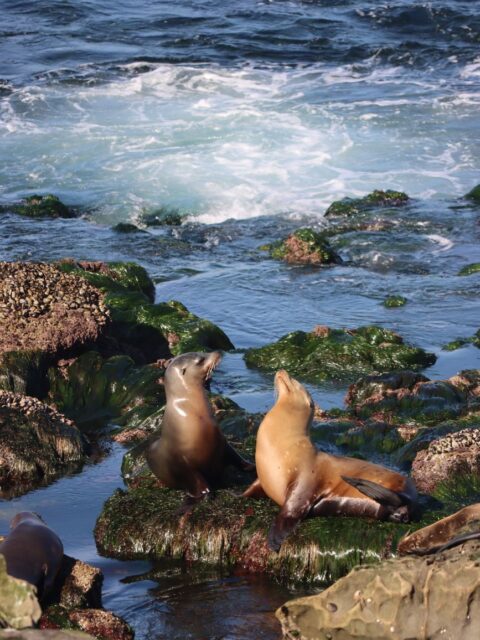
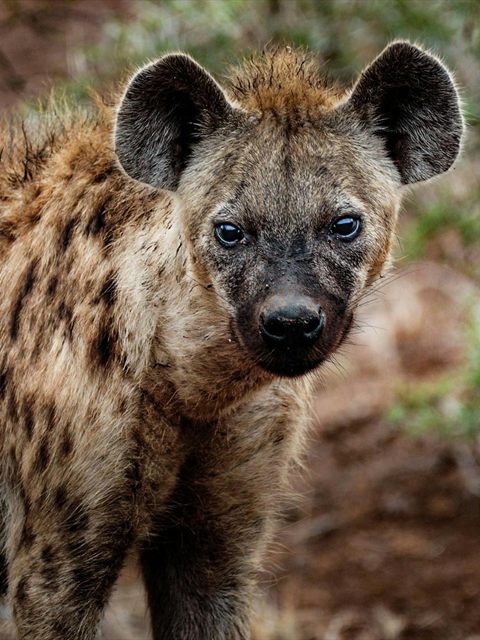
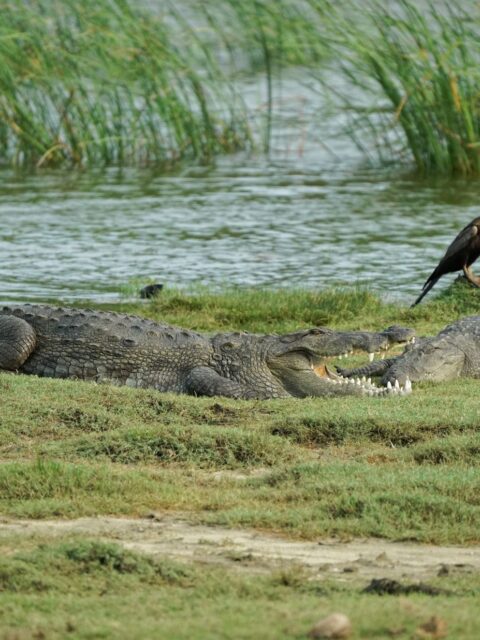
- Lions, hyenas, crocodiles, and wild dogs are known predators of the White-tailed Gnu.
- Defense Mechanisms
- They rely on their herd structure for protection, using numbers to confuse predators and fleeing in unison when threatened.
- Compatible Animals
- Zebras, antelopes, various bird species
- Found in Zoos
- Common