


WILD BOAR
Sus scrofa
DESCRIPTION
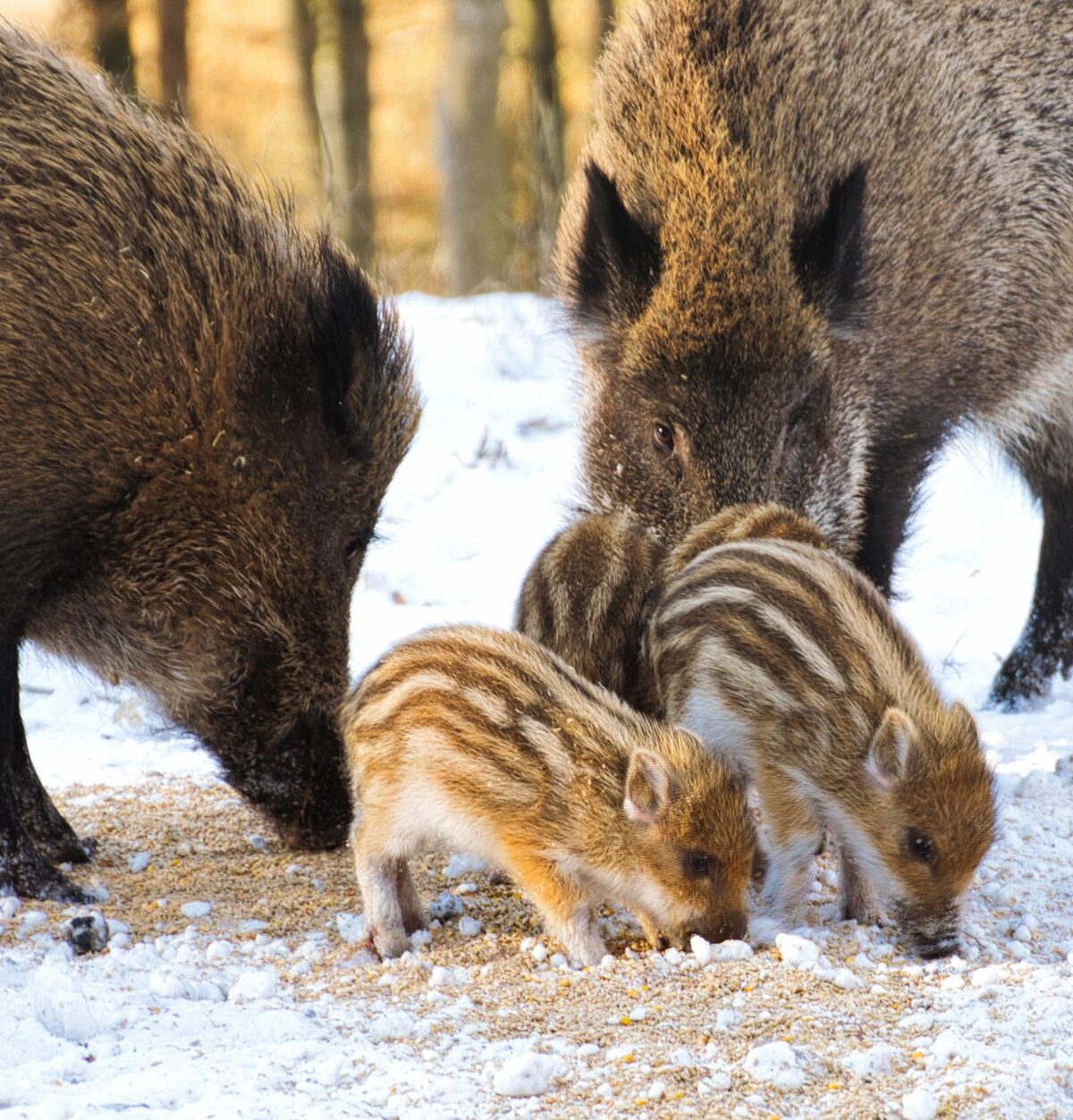
Also called European Wild Boar and Eurasian Wild Boar, Wild Boar is a robust and powerful animal characterized by its thick, bristly fur, which can vary in color from brown to black. They have a distinctive elongated snout and tusks that can be quite prominent in males, used for foraging and defense. Wild Boars are highly adaptable and can thrive in a variety of environments, displaying a mix of solitary and social behaviors depending on the availability of resources and habitat conditions.
FUN FACTS
- Wild Boars are known for their intelligence and problem-solving abilities, often using tools to access food
- They have a complex social structure and communicate through a variety of vocalizations, body language, and scent marking
QUICK INFO
Lifespan10-14 years in the wild, up to 20 years in captivi
Average Weight50-150 kg
Average Length1.2-1.8 m
Diet TypeOmnivore
Social Structuregroup — typically found in family groups called sounders, consisting of females and their offspring.
Activity PatternCrepuscular
Breeding SeasonAutumn (September-November)
- Habitat
- Wild Boars inhabit a range of environments, including forests, grasslands, and wetlands. They prefer areas with dense cover for shelter and foraging.
- Biomes
- Temperate Forest, Grassland, Wetland
- Native Range
- Wild Boars are native to Europe, Asia, and North Africa, with populations introduced to other regions worldwide.
- Continent
- Europe, Asia, Africa
- Countries
- Germany, France, Italy, Spain, China, India
- Diet
- Wild Boars are omnivorous and have a varied diet that includes roots, fruits, nuts, and small animals. They are known for their foraging behavior, using their snouts to dig up food from the ground.
- Diet Type
- Omnivore
- Favorite Food
- roots, fruits, nuts
- Social Structure
- group — typically found in family groups called sounders, consisting of females and their offspring.
- Activity Pattern
- Crepuscular
- Group Size
- 5-20
- Territorial
- 0
 LC
LC
 LC
LC
50-150 kg
Weight
1.2-1.8 m
Length
0.9 m at shoulder
Height (Shoulder)
- Coloration
- bristly fur that ranges from brown to black
- Sexual Dimorphism
- males are generally larger and have more prominent tusks than females
- Lifespan
- 10-14 years in the wild, up to 20 years in captivi
- Gestation Period
- 115 days
- Offspring per Birth
- 4-6
- Sexual Maturity
- 1-2 years
- Breeding Season
- Autumn (September-November)
LC
Least Concern
IUCN Red List Status
- Population Status
- Wild Boar populations are generally stable, though they can vary regionally due to hunting and habitat loss.
- Wild Population Estimate
- 1,000,000+
- Population Trend
- Increasing
- Endangered
- 0
- Threats
- Main threats include habitat destruction, hunting, and vehicle collisions. In some areas, they are also considered pests due to their foraging habits.
- Predators
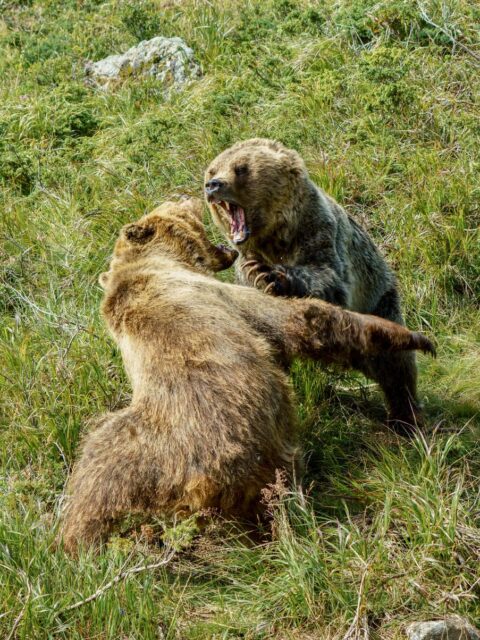
- wolves, bears, big cats, humans
- Defense Mechanisms
- Wild Boars can be aggressive when threatened, using their tusks for defense. They also rely on their speed and agility to escape predators.
- Compatible Animals
- none
- Found in Zoos
- Common