


WILDEBEEST
DESCRIPTION
Wildebeests, also known as gnus, are large antelopes characterized by their robust bodies, long legs, and distinctive curved horns. They have a shaggy mane and a beard, with a coloration that typically ranges from brown to gray, often with lighter patches on their bodies. These animals are known for their incredible migrations across the African savannas, where they travel in large herds in search of fresh grazing grounds and water sources.
FUN FACTS
- Wildebeests are known for their incredible migratory patterns, which can cover over 1,800 miles each year as they follow the rains in search of fresh grass
- This migration is one of the largest and most spectacular animal migrations in the world, often involving hundreds of thousands of individuals.|Wildebeests have a unique social structure, often forming mixed herds with zebras
- This interspecies relationship benefits both animals, as zebras can detect predators more easily due to their heightened senses, while wildebeests provide additional protection through their sheer numbers
QUICK INFO
Lifespan15-20 years in the wild, up to 25 in captivity
Average Weight120-250 kg
Average Length1.5-2.5 m
Diet TypeHerbivore
Social Structuregroup — wildebeests form large herds that can number in the thousands, providing safety in numbers.
Activity PatternDiurnal
Breeding SeasonLate spring to early summer
- Habitat
- Wildebeests inhabit open grasslands and savannas, where they can find ample grazing opportunities. They are often found near water sources, which are crucial for their survival.
- Biomes
- Savanna, Grassland
- Native Range
- Wildebeests are native to the plains and grasslands of East and Southern Africa.
- Continent
- Africa
- Countries
- Tanzania, Kenya, Botswana, South Africa, Namibia, Zambia
- Diet
- Wildebeests are herbivores that primarily graze on grasses and other vegetation. They are known to consume a variety of plant materials, adapting their diet based on seasonal availability.
- Diet Type
- Herbivore
- Favorite Food
- grasses
- Social Structure
- group — wildebeests form large herds that can number in the thousands, providing safety in numbers.
- Activity Pattern
- Diurnal
- Group Size
- 100-1,000
- Territorial
- 0
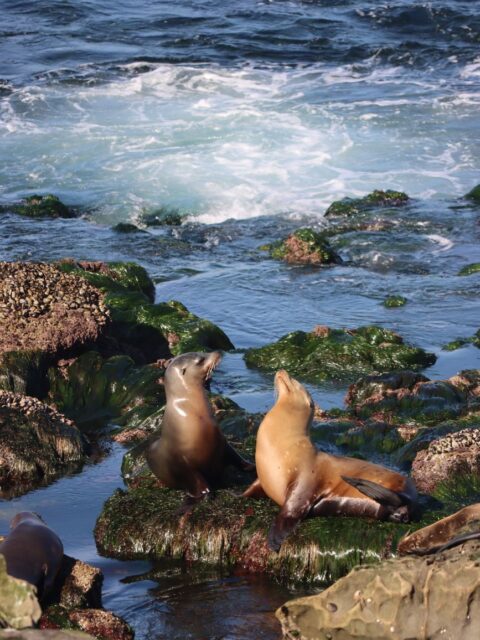 LC
LC
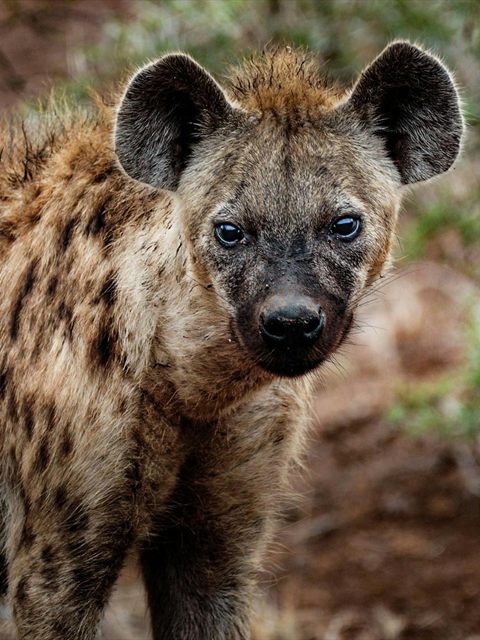 LC
LC
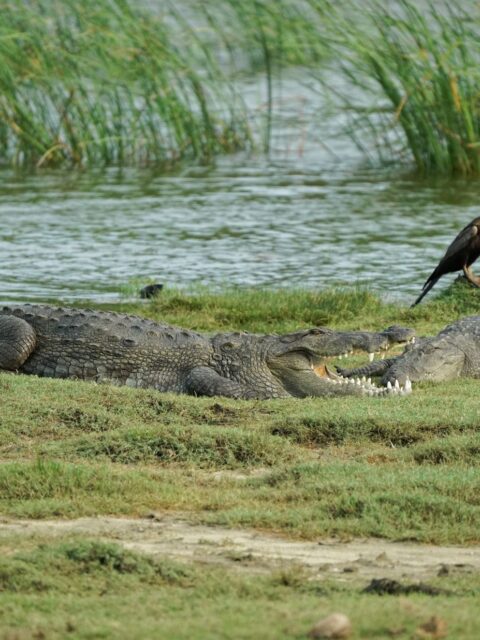 VU
VU
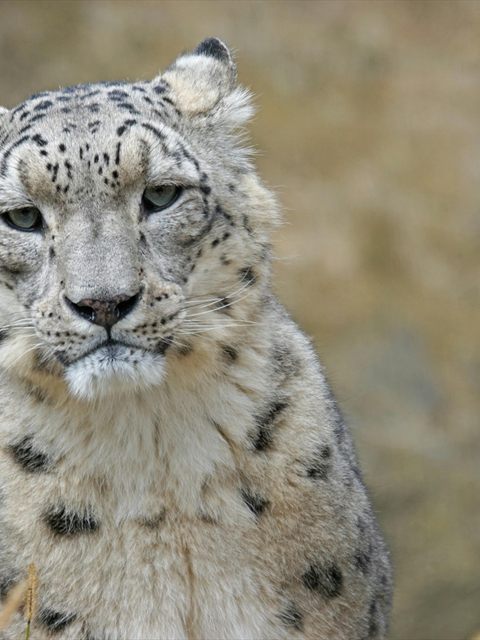 VU
VU
 EN
EN
120-250 kg
Weight
1.5-2.5 m
Length
1.2 m at shoulder
Height (Shoulder)
- Coloration
- brown to gray with lighter patches
- Sexual Dimorphism
- males are generally larger and have more pronounced horns than females
- Lifespan
- 15-20 years in the wild, up to 25 in captivity
- Gestation Period
- 240 days
- Offspring per Birth
- 1
- Sexual Maturity
- 2-3 years
- Breeding Season
- Late spring to early summer
LC
Least Concern
IUCN Red List Status
- Population Status
- Wildebeest populations are currently stable, but they face threats from habitat loss and hunting.
- Wild Population Estimate
- 1.5 million
- Population Trend
- Stable
- Endangered
- 0
- Threats
- The main threats to wildebeests include habitat loss due to agriculture and human encroachment, as well as poaching. Additionally, they are vulnerable to predation by large carnivores.
- Conservation Program
- Various conservation programs exist to protect wildebeest habitats and manage populations.
- Predators
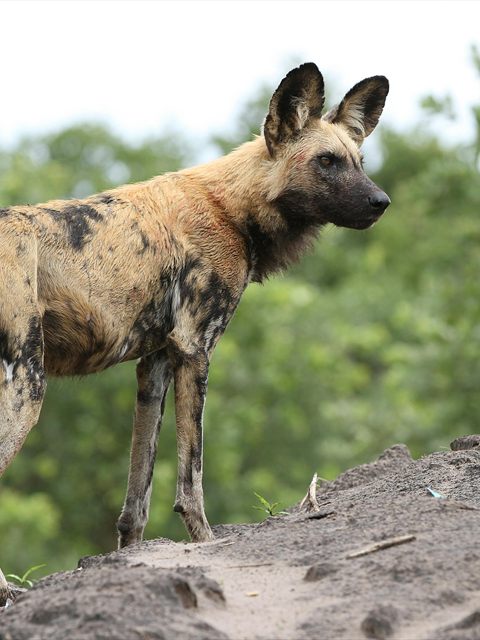
- Lions, hyenas, crocodiles, leopards, wild dogs
- Defense Mechanisms
- Wildebeests rely on their large herd size for protection, using their speed and agility to escape predators.
- Compatible Animals
- zebras, antelopes, ostriches
- Found in Zoos
- Common