


WINTER WHITE HAMSTER
Phodopus sungorus
DESCRIPTION
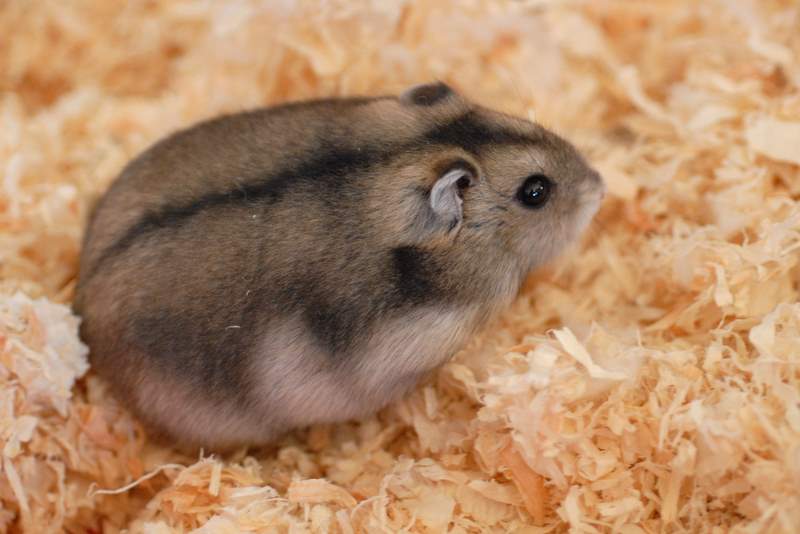
Winter White Hamster (Phodopus sungorus) is commonly known as the Djungarian Hamster or Siberian Hamster. This small rodent is characterized by its round body, short tail, and small ears, with a soft, dense coat that changes color from brown to white in winter. They are social animals that exhibit playful behavior, often engaging in burrowing and hoarding food in their natural habitats.
FUN FACTS
- Winter White Hamsters are known for their ability to change fur color with the seasons, providing them with camouflage against predators in snowy environments
- Additionally, they have cheek pouches that allow them to store food and transport it back to their burrows, showcasing their foraging behavior and adaptability
QUICK INFO
Lifespan2-3 years in the wild, up to 4 years in captivity
Average Weight30-50 g
Average Length8-10 cm
Diet TypeOmnivore
Social StructureThey can be solitary or live in pairs, often depending on the availability of resources.
Activity PatternNocturnal
Breeding SeasonSpring (March-May)
- Habitat
- These hamsters are typically found in grasslands and scrublands, where they create extensive burrow systems. They prefer areas with ample vegetation for cover and food sources.
- Biomes
- Grassland, Temperate Forest
- Native Range
- Winter White Hamsters are native to Central Asia, particularly in regions of Kazakhstan and Siberia.
- Continent
- Asia
- Countries
- Kazakhstan, Russia
- Diet
- Winter White Hamsters primarily eat seeds, grains, and vegetables, but they also enjoy occasional protein sources like insects. Their diet is crucial for their health and energy levels.
- Diet Type
- Omnivore
- Favorite Food
- seeds, grains, vegetables
- Social Structure
- They can be solitary or live in pairs, often depending on the availability of resources.
- Activity Pattern
- Nocturnal
- Group Size
- 1-5
- Territorial
- 0
 CR
CR
 LC
LC
30-50 g
Weight
8-10 cm
Length
- Coloration
- Their fur is typically light brown or gray, turning white in winter.
- Sexual Dimorphism
- Males are generally slightly larger than females.
- Lifespan
- 2-3 years in the wild, up to 4 years in captivity
- Gestation Period
- 21 days
- Offspring per Birth
- 4-6
- Sexual Maturity
- 6-8 weeks
- Breeding Season
- Spring (March-May)
LC
Least Concern
IUCN Red List Status
- Population Status
- The population is currently stable, but habitat loss poses a potential threat.
- Wild Population Estimate
- Unknown
- Population Trend
- Stable
- Endangered
- 0
- Threats
- Main threats include habitat destruction due to agriculture and urban development. Additionally, they face competition from invasive species.
- Predators
- Common predators include owls, hawks, and snakes.
- Defense Mechanisms
- They often rely on their burrows for protection and can quickly retreat into them when threatened.
- Compatible Animals
- Gerbils, other small hamsters
- Found in Zoos
- Common