


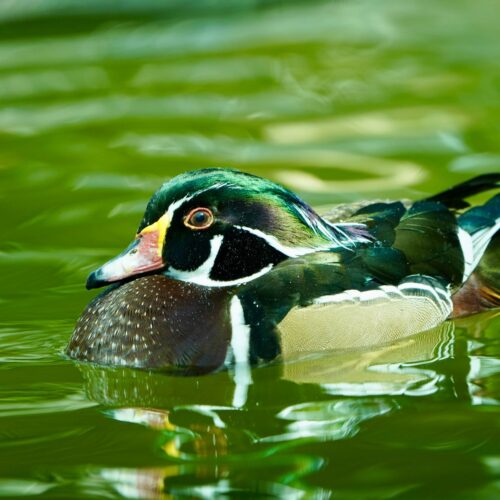
WOOD DUCK
Aix sponsa
DESCRIPTION
The Wood Duck (Aix sponsa) is a strikingly colorful waterfowl known for its iridescent plumage and distinctive features. Males display vibrant green and purple head feathers, red eyes, and white throat markings, while females are more subdued with a grayish-brown body and a white eye-ring. This species is often found in wooded swamps and marshes, where it nests in tree cavities and forages in shallow waters.
FUN FACTS
- Wood Ducks are unique among North American ducks as they are able to perch in trees, thanks to their strong claws and agile flight
- They are also one of the few duck species that can nest in tree cavities, which provides protection from ground predators
- | The Wood Duck's vibrant colors and striking appearance have made it a popular subject in art and photography
- Their beauty is often celebrated in various cultural contexts, and they are a favorite among birdwatchers and nature enthusiasts
QUICK INFO
Lifespan3-4 years in the wild, up to 15 years in captivity
Average Weight0.5-1.2 kg
Average Length45-50 cm
Diet TypeOmnivore
Social Structurepair, often seen in small groups during non-breeding seasons
Activity PatternDiurnal
Breeding SeasonSpring (March-May)
- Habitat
- Wood Ducks inhabit wooded swamps, marshes, and ponds, often favoring areas with abundant vegetation. They are known to nest in tree cavities near water sources.
- Biomes
- Wetlands, Temperate Forests
- Native Range
- Wood Ducks are native to North America, ranging from southern Canada to the eastern and western United States, and into Mexico.
- Continent
- North America
- Countries
- United States, Canada, Mexico
- Diet
- Wood Ducks primarily feed on seeds, fruits, and aquatic plants, but they also consume insects and small invertebrates. Their diet varies seasonally, reflecting the availability of food sources.
- Diet Type
- Omnivore
- Favorite Food
- seeds, fruits, aquatic plants
- Social Structure
- pair, often seen in small groups during non-breeding seasons
- Activity Pattern
- Diurnal
- Group Size
- 2-10
- Territorial
- 0
 LC
LC
 CR
CR
 LC
LC
0.5-1.2 kg
Weight
45-50 cm
Length
- Coloration
- males have iridescent green and purple plumage, females are brown with white markings
- Sexual Dimorphism
- males are more colorful and larger than females
- Lifespan
- 3-4 years in the wild, up to 15 years in captivity
- Offspring per Birth
- 6-15
- Sexual Maturity
- 1 year
- Breeding Season
- Spring (March-May)
LC
Least Concern
IUCN Red List Status
- Population Status
- The Wood Duck population has recovered significantly since the early 20th century due to conservation efforts.
- Wild Population Estimate
- 1 million
- Population Trend
- Stable
- Endangered
- 0
- Threats
- Main threats include habitat loss due to wetland drainage and pollution. Additionally, hunting and predation can impact local populations.
- Conservation Program
- Wetland conservation initiatives and habitat restoration programs
- Predators
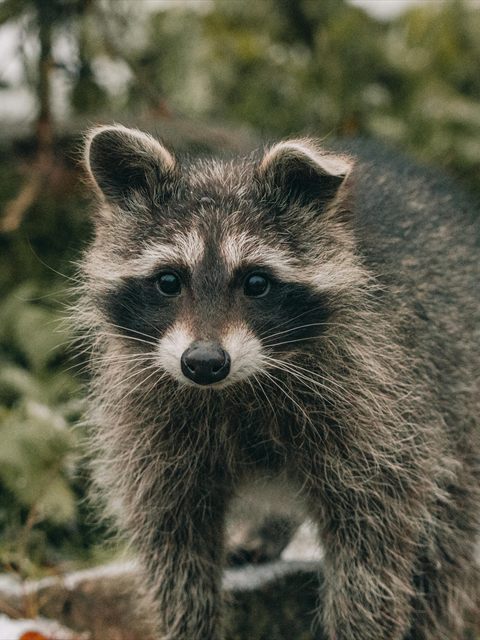
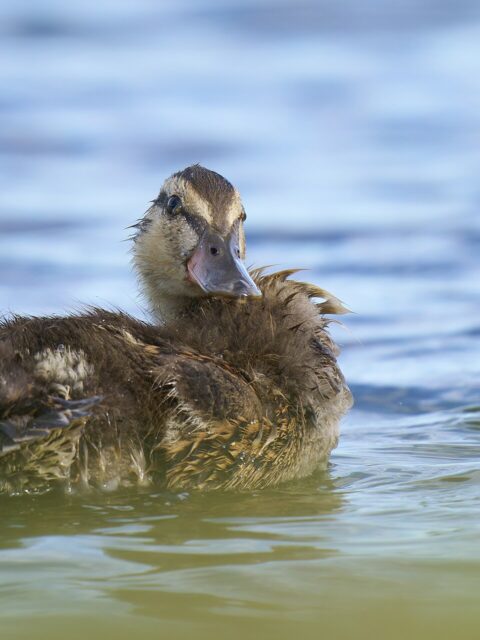
- Raccoons, foxes, hawks, and snakes are known predators of Wood Duck eggs and ducklings.
- Defense Mechanisms
- Wood Ducks rely on their ability to fly quickly and their camouflage to evade predators.
- Compatible Animals
- Mallards, American Black Ducks
- Found in Zoos
- Common