


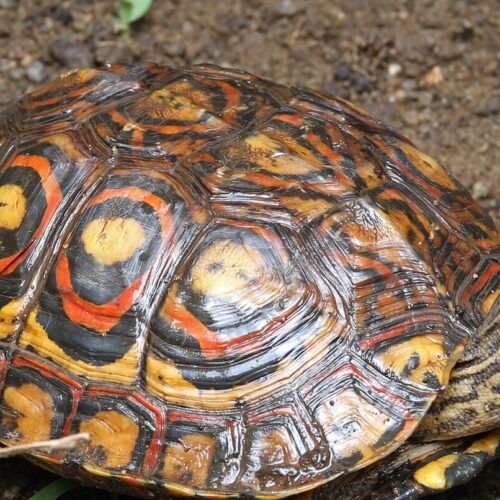
WOOD TURTLE
Glyptemys insculpta
DESCRIPTION
The Wood Turtle (Glyptemys insculpta) is a medium-sized turtle characterized by its distinctive, sculptured shell that features a high dome and a pattern of concentric rings. Its skin is typically a dark brown or olive color, with bright orange or yellow markings on the neck and limbs. This species is known for its intelligence and complex behaviors, including the ability to use tools and engage in social interactions with other turtles.
FUN FACTS
- Wood Turtles are known for their unique behavior of flipping over rocks to find food, showcasing their problem-solving skills
- Additionally, they have a fascinating ability to recognize their surroundings and can return to specific locations after being displaced, demonstrating a remarkable sense of spatial awareness
QUICK INFO
Lifespan40-60 years in the wild
Average Weight1-2 kg
Average Length15-25 cm
Diet TypeOmnivore
Social Structuresolitary, though they may be seen in small groups during basking or feeding
Activity PatternDiurnal
Breeding SeasonSpring (April-June)
- Habitat
- Wood Turtles inhabit a range of environments, including forests, grasslands, and near freshwater sources like rivers and streams. They prefer areas with sandy or soft soil for nesting and basking sites.
- Biomes
- Temperate Forest, Freshwater
- Native Range
- The Wood Turtle is native to the northeastern United States and parts of southeastern Canada.
- Continent
- North America
- Countries
- United States, Canada
- Diet
- Wood Turtles are omnivorous, feeding on a variety of plant and animal matter. Their diet includes fruits, berries, insects, and small invertebrates.
- Diet Type
- Omnivore
- Favorite Food
- berries, earthworms, and insects
- Social Structure
- solitary, though they may be seen in small groups during basking or feeding
- Activity Pattern
- Diurnal
- Group Size
- 1-5
- Territorial
- 0
 LC
LC

 VU
VU
1-2 kg
Weight
15-25 cm
Length
- Coloration
- dark brown or olive with bright orange or yellow markings
- Sexual Dimorphism
- males typically have a concave plastron and larger heads than females
- Lifespan
- 40-60 years in the wild
- Offspring per Birth
- 3-12
- Sexual Maturity
- 5-7 years
- Breeding Season
- Spring (April-June)
EN
Endangered
IUCN Red List Status
- Population Status
- The Wood Turtle population is declining due to habitat loss and other threats.
- Wild Population Estimate
- unknown
- Population Trend
- Decreasing
- Endangered
- 1
- Threats
- Main threats to the Wood Turtle include habitat destruction, road mortality, and collection for the pet trade. These factors have significantly impacted their populations in recent years.
- Conservation Program
- Various local and regional conservation programs are in place to protect Wood Turtle habitats and promote awareness.
- Predators
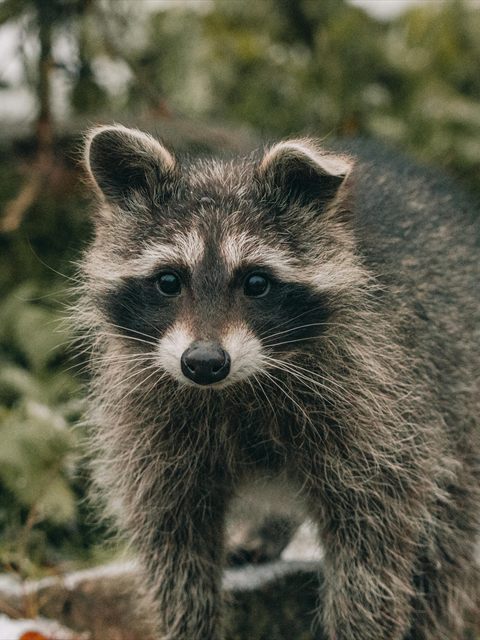
- Raccoons, foxes, birds of prey, and domestic animals such as dogs.
- Defense Mechanisms
- Wood Turtles can retract into their shells for protection, and they may also use camouflage to avoid detection.
- Found in Zoos
- Uncommon