



WOOD WARBLER
Phylloscopus sibilatrix
DESCRIPTION
The Wood Warbler (Phylloscopus sibilatrix) is a small, vibrant bird known for its striking yellow underparts and olive-green upperparts. It has a distinctive, melodic song that is often heard during the breeding season, making it a favorite among birdwatchers. This species is typically found in deciduous forests and woodlands, where it forages for insects and other small invertebrates among the foliage.
FUN FACTS
- Wood Warblers are known for their beautiful and complex songs, which can vary significantly between individuals and populations
- These songs are not only used to attract mates but also to establish territory during the breeding season
- | During migration, Wood Warblers can travel long distances, sometimes covering over 1,000 kilometers in a single journey
- They rely on favorable weather conditions and abundant food sources to fuel their migration, making them highly adaptable travelers
QUICK INFO
Lifespanup to 5 years in the wild
Average Weight10-15 g
Average Length11-12 cm
Diet TypeInsectivore
Social Structuresolitary or in pairs during breeding season, may form loose groups during migration
Activity PatternDiurnal
Breeding SeasonSpring (April-June)
- Habitat
- Wood Warblers prefer mature deciduous forests and mixed woodlands, often favoring areas with dense undergrowth. They are also found in parks and gardens that provide suitable vegetation for foraging.
- Biomes
- Temperate Forest
- Native Range
- The Wood Warbler breeds across Europe and parts of western Asia, migrating to sub-Saharan Africa for the winter.
- Continent
- Europe, Africa
- Countries
- United Kingdom, Germany, France, Spain, Italy, Poland, Sweden
- Diet
- The Wood Warbler primarily feeds on insects and other small invertebrates, which it catches while foraging in trees and shrubs. It may also consume some plant material, particularly during the breeding season.
- Diet Type
- Insectivore
- Favorite Food
- insects, larvae
- Social Structure
- solitary or in pairs during breeding season, may form loose groups during migration
- Activity Pattern
- Diurnal
- Group Size
- 1-5
- Territorial
- 1
 LC
LC
10-15 g
Weight
11-12 cm
Length
- Coloration
- bright yellow underparts with olive-green upperparts and a white belly
- Lifespan
- up to 5 years in the wild
- Offspring per Birth
- 4-6 eggs
- Sexual Maturity
- 1 year
- Breeding Season
- Spring (April-June)
LC
Least Concern
IUCN Red List Status
- Population Status
- The Wood Warbler population is currently stable, although it faces habitat loss in some areas.
- Wild Population Estimate
- 1,000,000-2,000,000
- Population Trend
- Stable
- Endangered
- 0
- Threats
- Main threats include habitat destruction due to logging and agricultural expansion, which can reduce suitable breeding and foraging areas. Climate change may also impact their migratory patterns and food availability.
- Predators
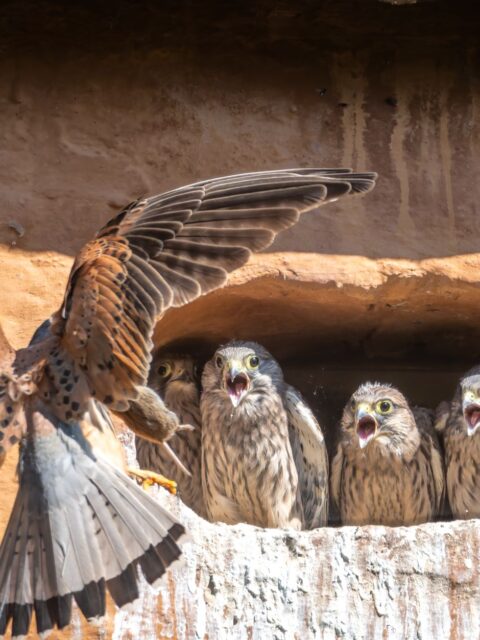
- Common predators include birds of prey such as sparrowhawks and kestrels, as well as domestic cats and various snakes.
- Defense Mechanisms
- Wood Warblers rely on their agility and camouflage to evade predators, often remaining hidden among leaves and branches.
- Found in Zoos
- Rare