


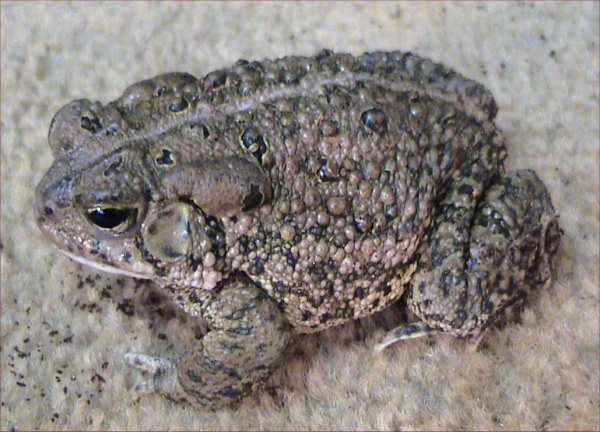
WOODHOUSE’S TOAD
Anaxyrus woodhousii
DESCRIPTION
Woodhouse’s Toad (Anaxyrus woodhousii) is a medium-sized toad characterized by its smooth, warty skin and a range of colors from brown to gray, often with dark spots. This species is known for its distinctive vocalizations, especially during the breeding season when males call to attract females. Woodhouse’s Toad inhabits a variety of environments, including grasslands, wetlands, and agricultural areas, demonstrating adaptability to different ecological conditions.
FUN FACTS
- Woodhouse’s Toad is named after the American naturalist and explorer, Dr
- John Woodhouse, who contributed significantly to the study of amphibians
- These toads are known for their impressive vocalizations, which can be heard from a distance during the breeding season, creating a chorus of calls that can attract mates.|Interestingly, Woodhouse’s Toads can change their coloration slightly based on their environment, allowing them to blend in better and avoid predators
- This adaptive coloration is a fascinating aspect of their behavior and ecology
QUICK INFO
Lifespan5-10 years in the wild
Average Weight50-100 g
Average Length7.5-10 cm
Diet TypeInsectivore
Social Structuregroup — they often gather in large numbers during the breeding season.
Activity PatternNocturnal
Breeding SeasonSpring (March-May)
- Habitat
- Woodhouse’s Toad prefers habitats that include moist areas such as ponds, marshes, and fields, often near water sources for breeding. They can also be found in urban areas where suitable conditions exist.
- Biomes
- Temperate Forest, Grassland, Wetland
- Native Range
- Woodhouse’s Toad is native to parts of North America, primarily found in the central United States and parts of Canada.
- Continent
- North America
- Countries
- United States, Canada
- Diet
- Woodhouse’s Toad primarily feeds on insects and other small invertebrates, using its sticky tongue to capture prey. They are opportunistic feeders and will consume whatever is readily available in their habitat.
- Diet Type
- Insectivore
- Favorite Food
- insects, worms
- Social Structure
- group — they often gather in large numbers during the breeding season.
- Activity Pattern
- Nocturnal
- Group Size
- 10-100
- Territorial
- 0
 LC
LC
 VU
VU
 LC
LC
50-100 g
Weight
7.5-10 cm
Length
- Coloration
- generally brown or gray with darker spots and a lighter underside
- Sexual Dimorphism
- males are typically smaller than females and have darker throats during the breeding season
- Lifespan
- 5-10 years in the wild
- Offspring per Birth
- 1,000-5,000 eggs
- Sexual Maturity
- 2-3 years
- Breeding Season
- Spring (March-May)
LC
Least Concern
IUCN Red List Status
- Population Status
- The population of Woodhouse’s Toad is currently stable, although local declines may occur due to habitat loss.
- Wild Population Estimate
- unknown
- Population Trend
- Stable
- Endangered
- 0
- Threats
- Main threats include habitat destruction due to urban development and agricultural practices, as well as pollution in their aquatic environments. Climate change may also impact their breeding habitats.
- Predators
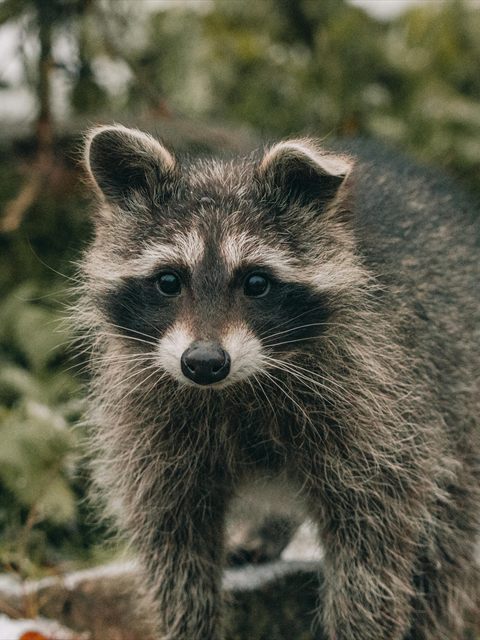
- snakes, birds, raccoons, and larger mammals
- Defense Mechanisms
- Woodhouse’s Toad has the ability to secrete toxins from its skin, which can deter potential predators.
- Found in Zoos
- Uncommon