


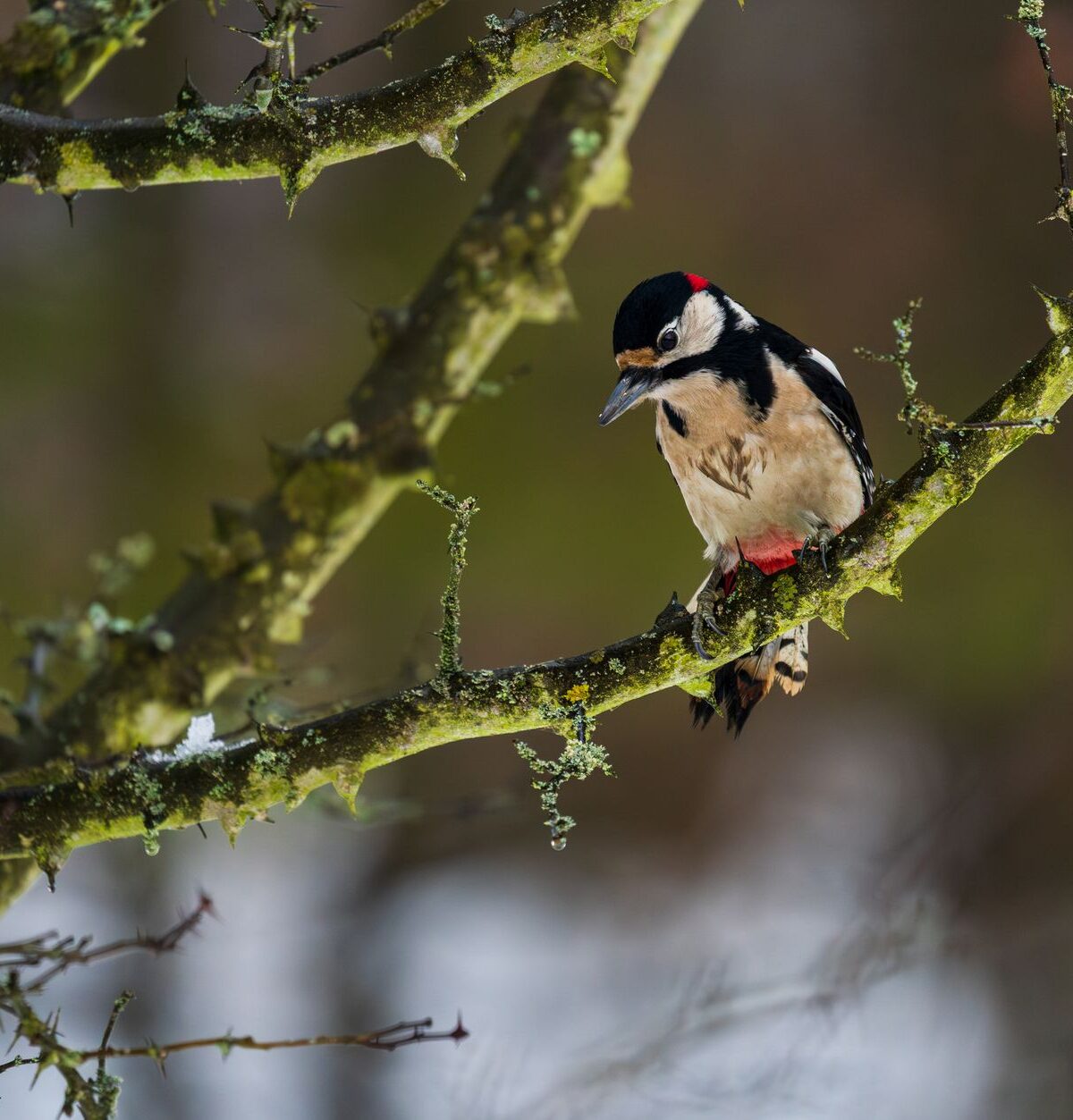
WOODPECKER
DESCRIPTION
Woodpeckers are a diverse group of birds known for their distinctive pecking behavior and strong, chisel-like bills. They have a unique ability to drill into tree bark to find insects and create nesting cavities. Their plumage often features striking patterns and colors, which can vary significantly among species, contributing to their visual appeal in various habitats.
FUN FACTS
- Woodpeckers have a specialized skull structure that protects their brains from the impact of pecking, allowing them to hammer on trees without injury
- | Some species, like the Pileated Woodpecker, can create large rectangular holes in trees, which can provide nesting sites for other animals and contribute to forest ecology
QUICK INFO
Lifespan5-10 years in the wild, up to 20 years in captivit
Average Weight50-300 g
Average Length15-60 cm
Diet TypeInsectivore
Social Structuresolitary or pair, often seen alone or in mated pairs during breeding season
Activity PatternDiurnal
Breeding SeasonSpring (March-June)
- Habitat
- Woodpeckers inhabit a variety of forested environments, including deciduous, coniferous, and mixed woodlands. They are often found in areas with abundant trees that provide both food and nesting sites.
- Biomes
- Temperate Forest, Boreal Forest, Tropical Rainforest
- Native Range
- Woodpeckers are found across the globe, with the highest diversity in North America and Central America.
- Continent
- North America, Europe, Asia, Africa
- Countries
- United States, Canada, Mexico, Brazil, Germany, Russia
- Diet
- Woodpeckers primarily feed on insects, larvae, and sometimes fruits and nuts. They use their long tongues to extract food from crevices in trees.
- Diet Type
- Insectivore
- Favorite Food
- insects, larvae
- Social Structure
- solitary or pair, often seen alone or in mated pairs during breeding season
- Activity Pattern
- Diurnal
- Group Size
- 1-2
- Territorial
- 1
 CR
CR
 LC
LC
 LC
LC
 LC
LC
50-300 g
Weight
15-60 cm
Length
- Coloration
- varies by species, often includes black, white, red, and yellow patterns
- Sexual Dimorphism
- males and females may have different coloration or markings, particularly in some species
- Lifespan
- 5-10 years in the wild, up to 20 years in captivit
- Offspring per Birth
- 2-6
- Sexual Maturity
- 1-2 years
- Breeding Season
- Spring (March-June)
LC
Least Concern
IUCN Red List Status
- Population Status
- Many woodpecker species are stable, but some are experiencing population declines due to habitat loss.
- Wild Population Estimate
- varies by species, generally in the millions
- Population Trend
- Stable
- Endangered
- 0
- Threats
- Habitat destruction due to logging and urban development poses significant threats to woodpecker populations. Additionally, competition for nesting sites with other bird species can impact their numbers.
- Predators
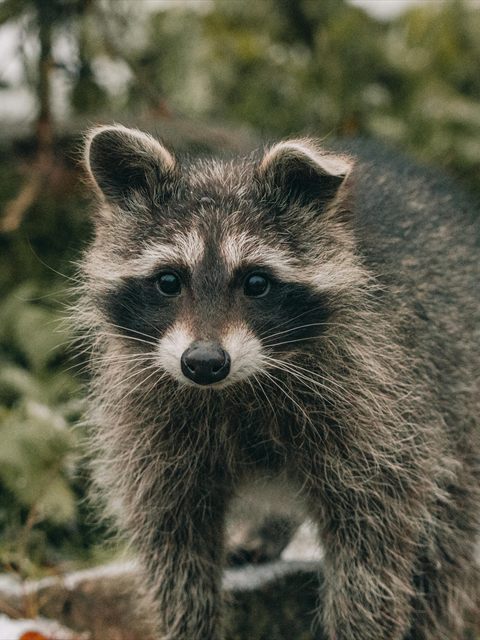
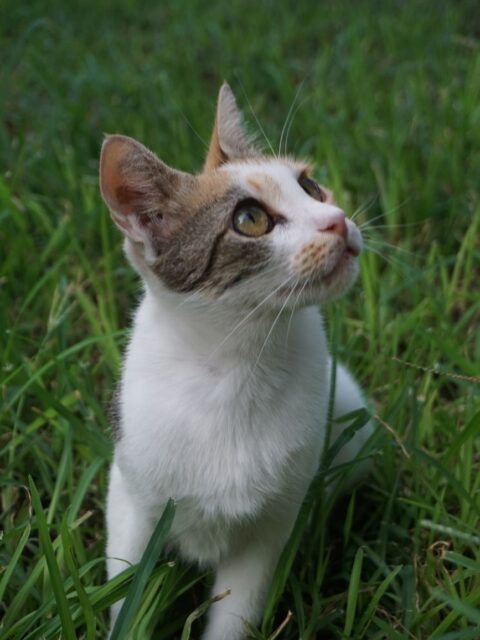
- hawks, owls, snakes, raccoons, and domestic cats
- Defense Mechanisms
- Woodpeckers often use their speed and agility to evade predators, and some species will also use their strong beaks to defend themselves if threatened.
- Found in Zoos
- Common