



YACARE CAIMAN
Caiman yacare
DESCRIPTION
The Yacare Caiman is a medium-sized caiman characterized by its elongated snout and robust body. It typically exhibits a dark olive to brown coloration with lighter spots, which helps it blend into its natural habitat. This species is known for its social behavior, often found basking in groups along riverbanks and in shallow waters.
FUN FACTS
- Yacare Caimans are known for their vocalizations, which include hissing and growling, especially during the mating season
- They play a crucial role in their ecosystem by controlling fish populations and serving as prey for larger predators
- | Unlike some other caiman species, Yacare Caimans are more tolerant of human presence and can often be found in areas close to human settlements, adapting to changes in their environment
QUICK INFO
Lifespan20-30 years in the wild
Average Weight30-50 kg
Average Length2-2.5 m
Diet TypeCarnivore
Social Structuregroup — they often bask and hunt in groups, especially during the day.
Activity PatternDiurnal
Breeding SeasonSpring (September-November)
- Habitat
- Yacare Caimans inhabit freshwater environments such as rivers, lakes, and wetlands. They prefer areas with abundant vegetation, which provides cover and nesting sites.
- Biomes
- Wetlands, Freshwater
- Native Range
- The Yacare Caiman is native to the central and southern regions of South America.
- Continent
- South America
- Countries
- Brazil, Bolivia, Paraguay, Argentina
- Diet
- Yacare Caimans primarily feed on fish, crustaceans, and small mammals. They are opportunistic feeders and will also consume birds and amphibians when available.
- Diet Type
- Carnivore
- Favorite Food
- fish, crustaceans
- Social Structure
- group — they often bask and hunt in groups, especially during the day.
- Activity Pattern
- Diurnal
- Group Size
- 5-30
- Territorial
- 1
 NT
NT
 LC
LC
 VU
VU
30-50 kg
Weight
2-2.5 m
Length
- Coloration
- dark olive to brown with lighter spots
- Sexual Dimorphism
- males are generally larger than females
- Lifespan
- 20-30 years in the wild
- Gestation Period
- 110 days
- Offspring per Birth
- 20-30
- Sexual Maturity
- 3-4 years
- Breeding Season
- Spring (September-November)
LC
Least Concern
IUCN Red List Status
- Population Status
- The population is currently stable, but local declines may occur due to habitat loss.
- Wild Population Estimate
- 50,000-100,000
- Population Trend
- Stable
- Endangered
- 0
- Threats
- Main threats include habitat destruction due to agriculture and pollution. Additionally, hunting for their skin poses a risk to local populations.
- Predators
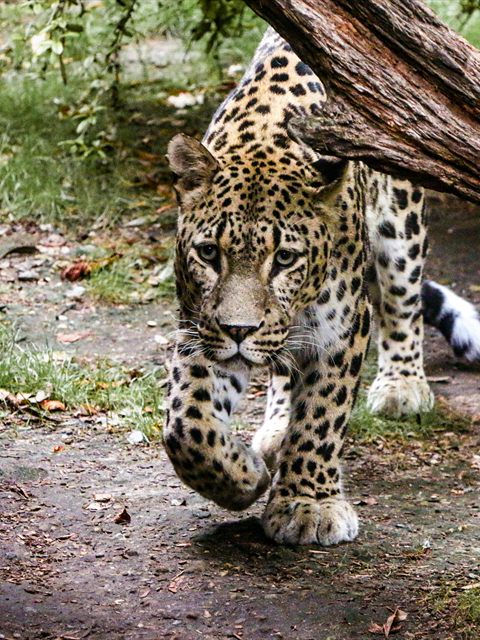
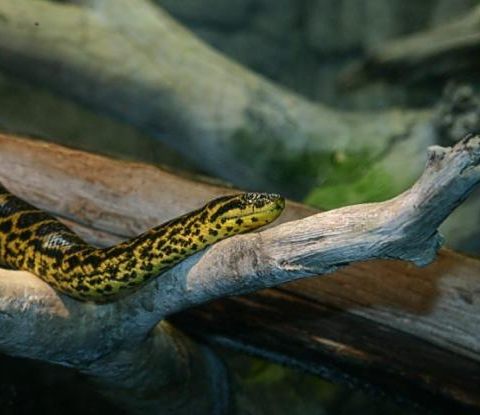
- Jaguar, Anaconda, large birds of prey
- Defense Mechanisms
- They can submerge quickly in water to escape threats and have a tough, armored skin.
- Found in Zoos
- Common