


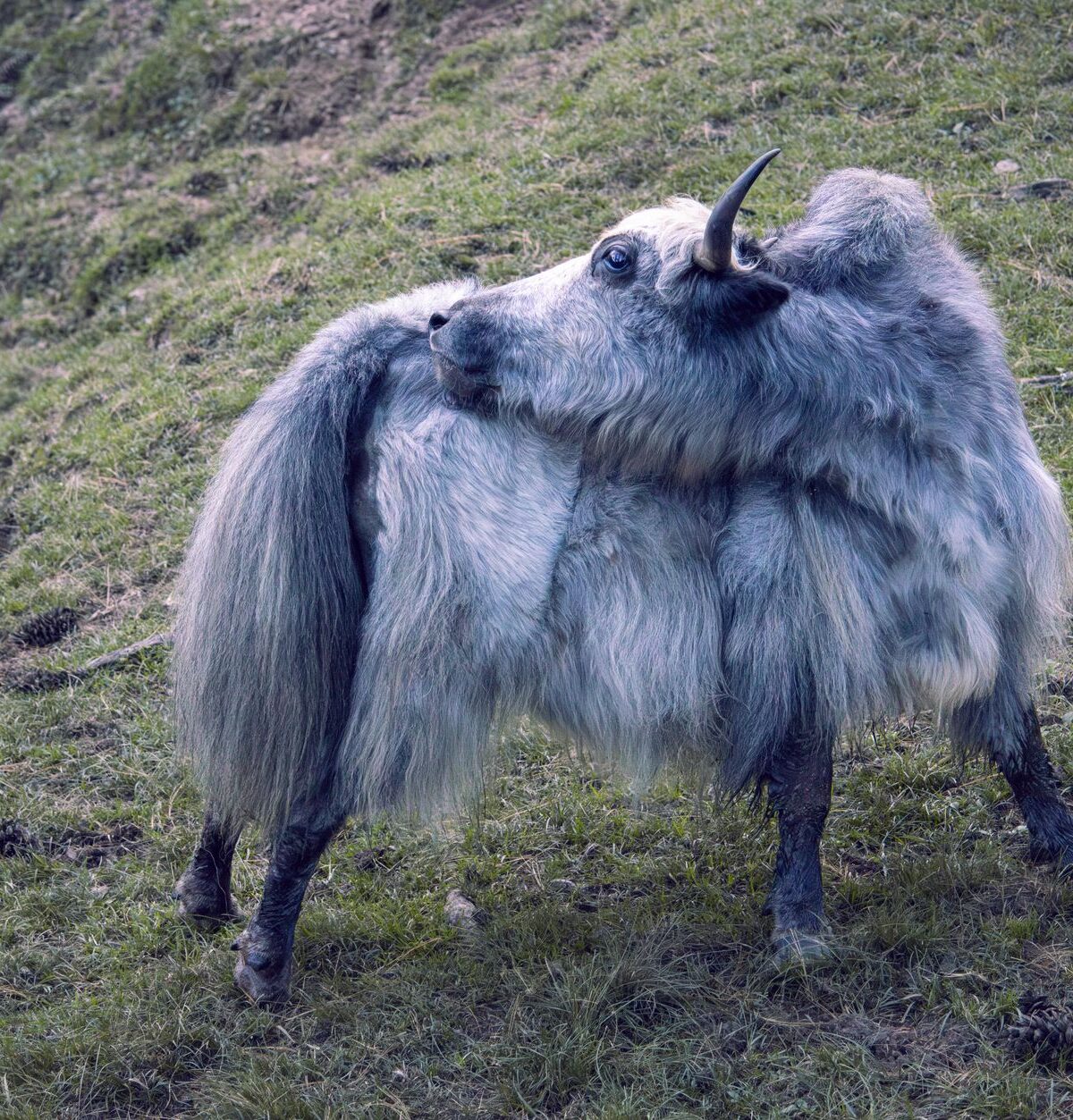
YAK
Bos grunniens
DESCRIPTION
Yak (Bos grunniens) is commonly known as the domestic yak and the wild yak. These large, shaggy animals are well-adapted to the harsh, cold environments of the Himalayas and Tibetan Plateau. They have long, thick fur that helps insulate them against frigid temperatures, and their large, curved horns are used for defense and social interactions.
FUN FACTS
- Yaks are incredibly strong animals, capable of carrying heavy loads over long distances in rugged terrain
- They have been domesticated for thousands of years and are vital to the livelihoods of many pastoralist communities in the Himalayas
- | The thick fur of yaks is not only useful for insulation but is also used to make traditional clothing and blankets
- Their dung is often used as fuel for cooking and heating in remote areas, making them an essential resource for local populations
QUICK INFO
Lifespan15-20 years in the wild, up to 25 in captivity
Average Weight300-1,000 kg
Average Length2.5-3.5 m
Diet TypeHerbivore
Social Structuregroup — Yaks typically live in herds that can range from a few individuals to several dozen.
Activity PatternDiurnal
Breeding SeasonSummer (June-August)
- Habitat
- Yaks inhabit high-altitude grasslands and alpine meadows, often at elevations above 3,000 meters. They are well-suited to cold, mountainous regions where few other large mammals can thrive.
- Biomes
- Alpine, Grassland
- Native Range
- Yaks are native to the central Asian region, particularly the Tibetan Plateau and surrounding areas.
- Continent
- Asia
- Countries
- China, India, Nepal, Bhutan
- Diet
- Yaks are herbivores, primarily grazing on grasses, herbs, and shrubs. They are known to consume a variety of vegetation depending on the season and availability.
- Diet Type
- Herbivore
- Favorite Food
- grasses, herbs, shrubs
- Social Structure
- group — Yaks typically live in herds that can range from a few individuals to several dozen.
- Activity Pattern
- Diurnal
- Group Size
- 5-30
- Territorial
- 0
 VU
VU
 LC
LC
300-1,000 kg
Weight
2.5-3.5 m
Length
1.5-2 m at shoulder
Height (Shoulder)
- Coloration
- thick, long fur that can be black, brown, or white
- Sexual Dimorphism
- males are generally larger and have more prominent horns than females
- Lifespan
- 15-20 years in the wild, up to 25 in captivity
- Gestation Period
- 285 days
- Offspring per Birth
- 1
- Sexual Maturity
- 3-4 years
- Breeding Season
- Summer (June-August)
VU
Vulnerable
IUCN Red List Status
- Population Status
- The population of yaks is stable, but wild yaks are considered vulnerable due to habitat loss and hunting.
- Wild Population Estimate
- 10,000-15,000
- Population Trend
- Decreasing
- Endangered
- 1
- Threats
- Main threats to yaks include habitat loss due to agriculture and climate change, as well as hunting for their meat and fur. Domestic yaks also face competition for resources from livestock.
- Predators
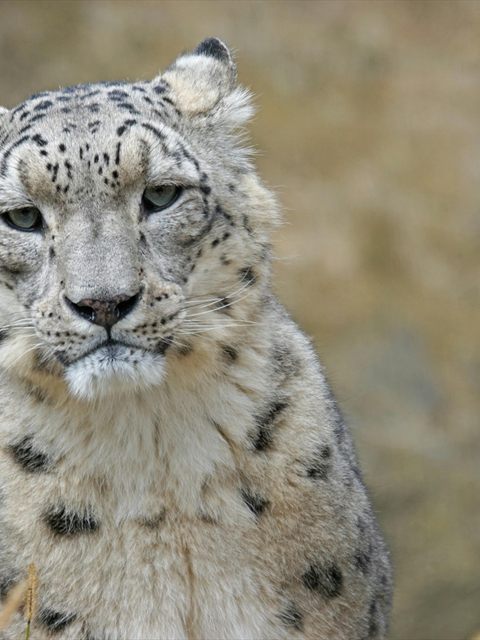
- snow leopards, wolves, and humans
- Defense Mechanisms
- Yaks use their size and strength to defend themselves, and they can also form a protective circle around their young when threatened.
- Compatible Animals
- none
- Found in Zoos
- Uncommon