


YELLOW-BELLIED TURTLE
DESCRIPTION
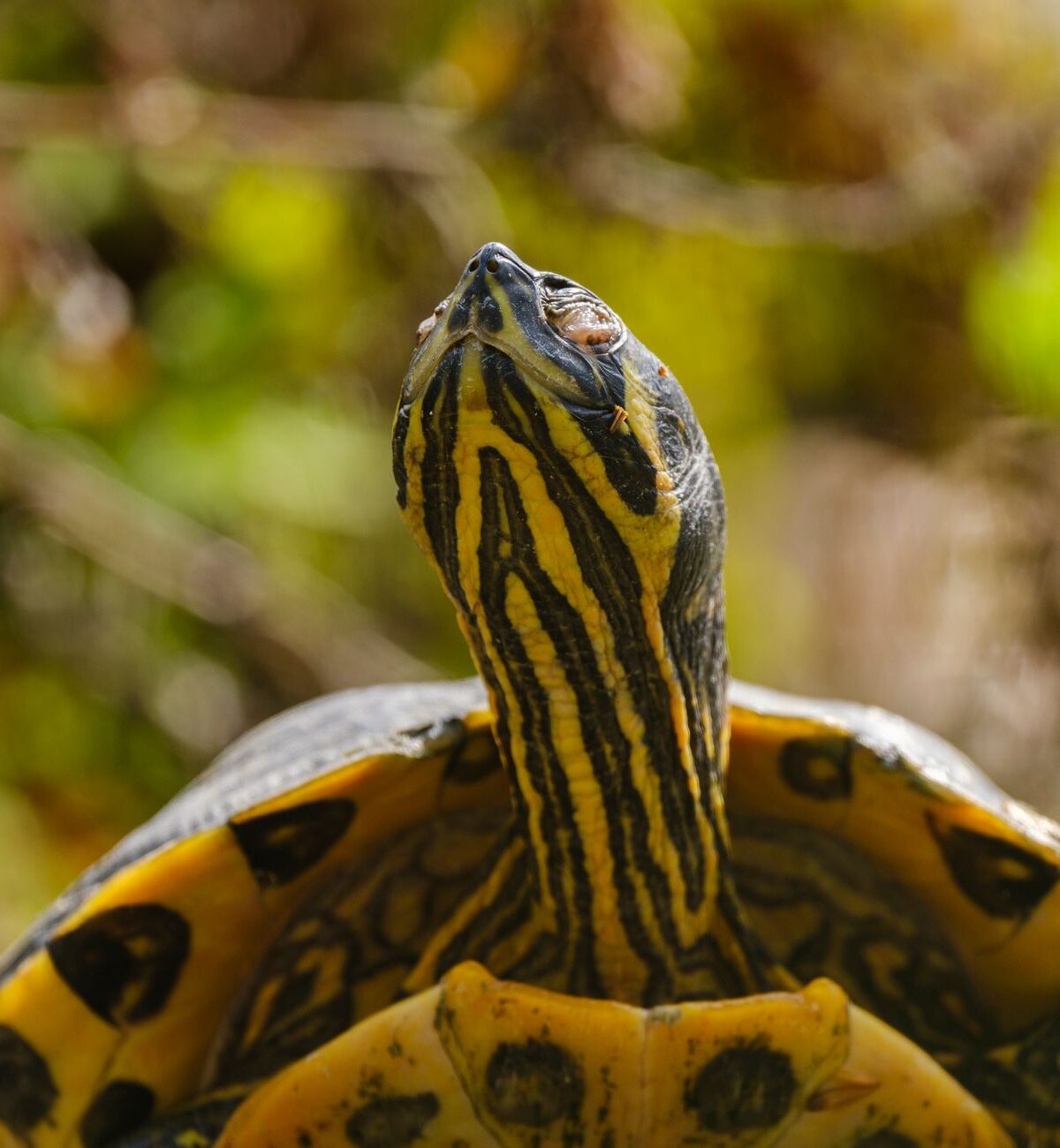
Also called the Eastern Yellow-Bellied Turtle, the Yellow-Bellied Turtle is a medium-sized freshwater turtle known for its distinctive yellow and black coloration. Its shell is typically dark with yellow stripes, and its plastron is bright yellow, which gives it its name. This species is semi-aquatic, often found basking on logs or rocks, and is known for its agile swimming abilities in ponds, lakes, and slow-moving rivers.
FUN FACTS
- Yellow-Bellied Turtles are excellent swimmers and can hold their breath for several hours while submerged, allowing them to evade predators effectively
- | They are also known for their basking behavior, where they can often be seen sunning themselves on logs or rocks, which is essential for their health as it helps regulate their body temperature
QUICK INFO
Lifespan20-30 years in the wild, up to 40 in captivity
Average Weight1-2 kg
Average Length20-30 cm
Diet TypeOmnivore
Social StructureThey are often found in groups, especially during basking periods.
Activity PatternDiurnal
Breeding SeasonSpring (April-June)
- Habitat
- They inhabit freshwater environments such as ponds, lakes, and slow-moving rivers, often preferring areas with abundant vegetation. These turtles are also known to bask in the sun on logs or rocks near the water.
- Biomes
- Freshwater, Wetlands
- Native Range
- The Yellow-Bellied Turtle is native to the eastern United States, ranging from New York to Florida and west to Texas.
- Continent
- North America
- Countries
- United States
- Diet
- Yellow-Bellied Turtles are omnivorous, feeding on a variety of plant and animal matter. Their diet includes aquatic vegetation, insects, and small fish.
- Diet Type
- Omnivore
- Favorite Food
- aquatic plants, insects, small fish
- Social Structure
- They are often found in groups, especially during basking periods.
- Activity Pattern
- Diurnal
- Group Size
- 5-15
- Territorial
- 0
 LC
LC
 VU
VU
1-2 kg
Weight
20-30 cm
Length
- Coloration
- Dark shell with yellow stripes and a bright yellow plastron.
- Sexual Dimorphism
- Males are generally smaller than females and have longer claws.
- Lifespan
- 20-30 years in the wild, up to 40 in captivity
- Offspring per Birth
- 3-15
- Sexual Maturity
- 3-5 years
- Breeding Season
- Spring (April-June)
LC
Least Concern
IUCN Red List Status
- Population Status
- The population is currently stable, but habitat loss poses a threat.
- Wild Population Estimate
- Unknown
- Population Trend
- Stable
- Endangered
- 0
- Threats
- Main threats include habitat destruction due to urban development and pollution in their aquatic environments. Additionally, they are sometimes collected for the pet trade.
- Predators
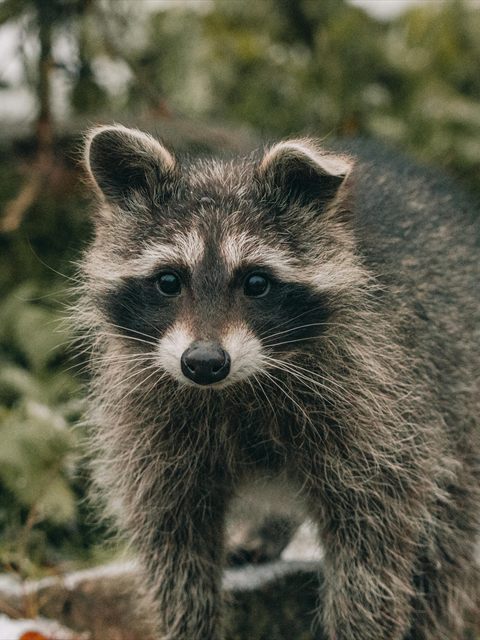
- Raccoons, birds of prey, and large fish are known predators of the Yellow-Bellied Turtle.
- Defense Mechanisms
- They can retract into their shells for protection and are also known to quickly dive underwater when threatened.
- Compatible Animals
- Other freshwater turtles, fish, and amphibians
- Found in Zoos
- Common