


YELLOW-FACED VULTURE
Cathartes burrovianus
DESCRIPTION
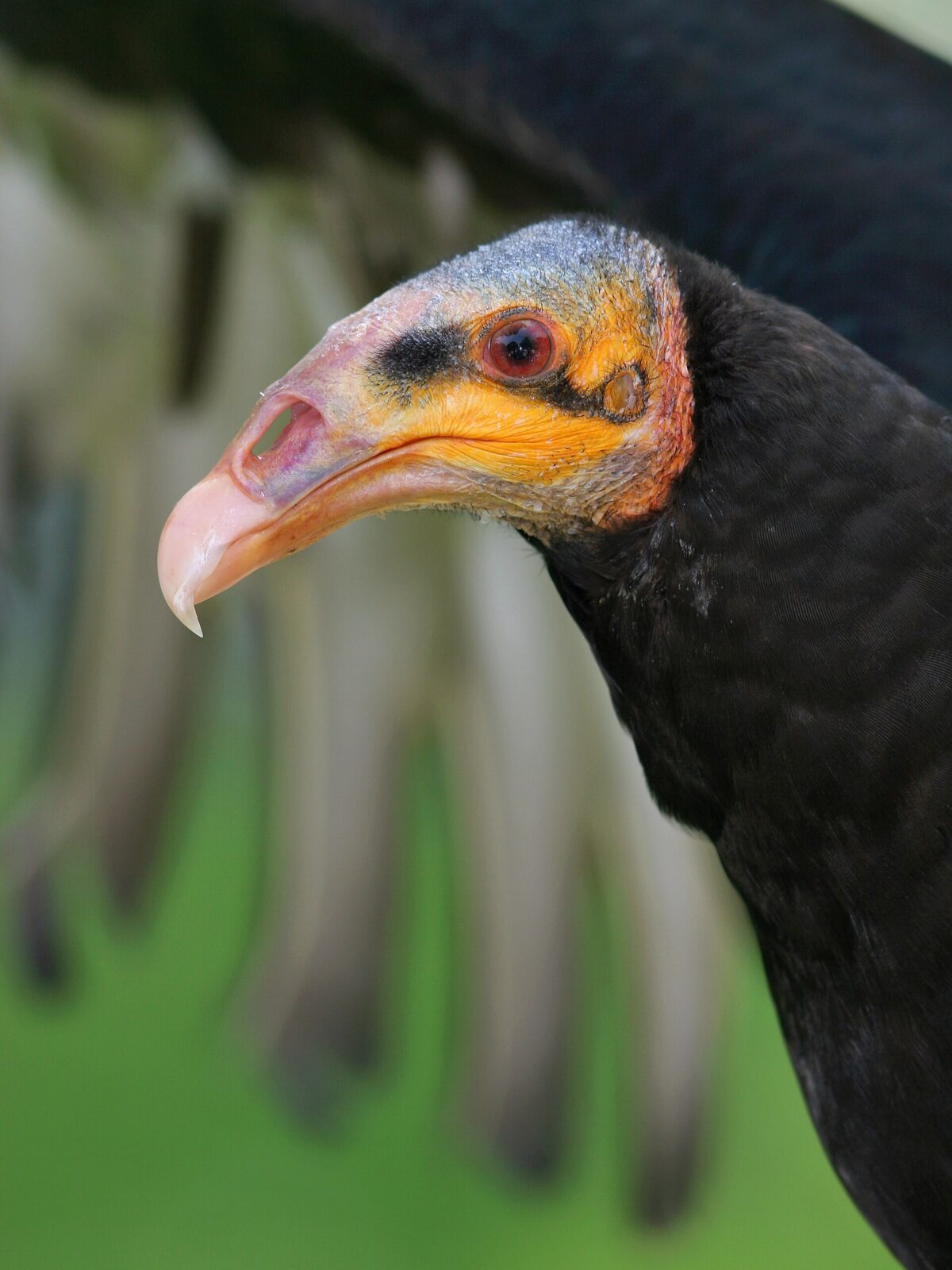
Yellow-faced Vulture (Cathartes burrovianus), also known as the Burrowing Vulture, is a large scavenger characterized by its distinctive yellow facial skin and dark plumage. This species is often found in open habitats, where it can be seen soaring gracefully in search of carrion. Its behavior includes a unique feeding strategy, often foraging in pairs or small groups, and it plays a crucial role in the ecosystem by helping to clean up dead animals.
FUN FACTS
- Yellow-faced Vultures have a unique social structure, often seen engaging in communal roosting, which helps them stay safe from predators and increases their foraging efficiency
- | These vultures play a vital ecological role by consuming carrion, which helps prevent the spread of disease and maintains the health of their ecosystems
QUICK INFO
Lifespan15-20 years in the wild
Average Weight2.5-3.5 kg
Average Length60-70 cm
Diet TypeCarnivore
Social StructureThey are often seen in pairs or small groups, especially when feeding.
Activity PatternDiurnal
Breeding SeasonSpring (August-October)
- Habitat
- This vulture inhabits open areas such as savannas, grasslands, and scrublands. It prefers regions with abundant food sources and minimal human disturbance.
- Biomes
- Savanna, Grassland
- Native Range
- The Yellow-faced Vulture is native to parts of Central and South America, particularly in countries like Brazil, Argentina, and Paraguay.
- Continent
- South America
- Countries
- Brazil, Argentina, Paraguay, Bolivia
- Diet
- The Yellow-faced Vulture primarily feeds on carrion, scavenging for dead animals in its habitat. It has a keen sense of sight that aids in locating food from great heights.
- Diet Type
- Carnivore
- Favorite Food
- carrion
- Social Structure
- They are often seen in pairs or small groups, especially when feeding.
- Activity Pattern
- Diurnal
- Group Size
- 2-10
- Territorial
- 0
2.5-3.5 kg
Weight
60-70 cm
Length
- Coloration
- The plumage is mostly dark brown to black, with a distinctive yellow face and neck.
- Lifespan
- 15-20 years in the wild
- Offspring per Birth
- 1-2
- Sexual Maturity
- 4-5 years
- Breeding Season
- Spring (August-October)
LC
Least Concern
IUCN Red List Status
- Population Status
- The population of Yellow-faced Vultures is currently stable, but they face threats from habitat loss and poisoning.
- Wild Population Estimate
- 10,000-20,000
- Population Trend
- Stable
- Endangered
- 0
- Threats
- Main threats include habitat destruction due to agriculture and poisoning from carcasses contaminated with toxins. These factors can significantly impact their population and survival.
- Predators
- Humans are the primary threat, but young vultures may be vulnerable to larger birds of prey.
- Defense Mechanisms
- They rely on their ability to soar high and spot threats from a distance, often avoiding confrontation.
- Found in Zoos
- Uncommon