


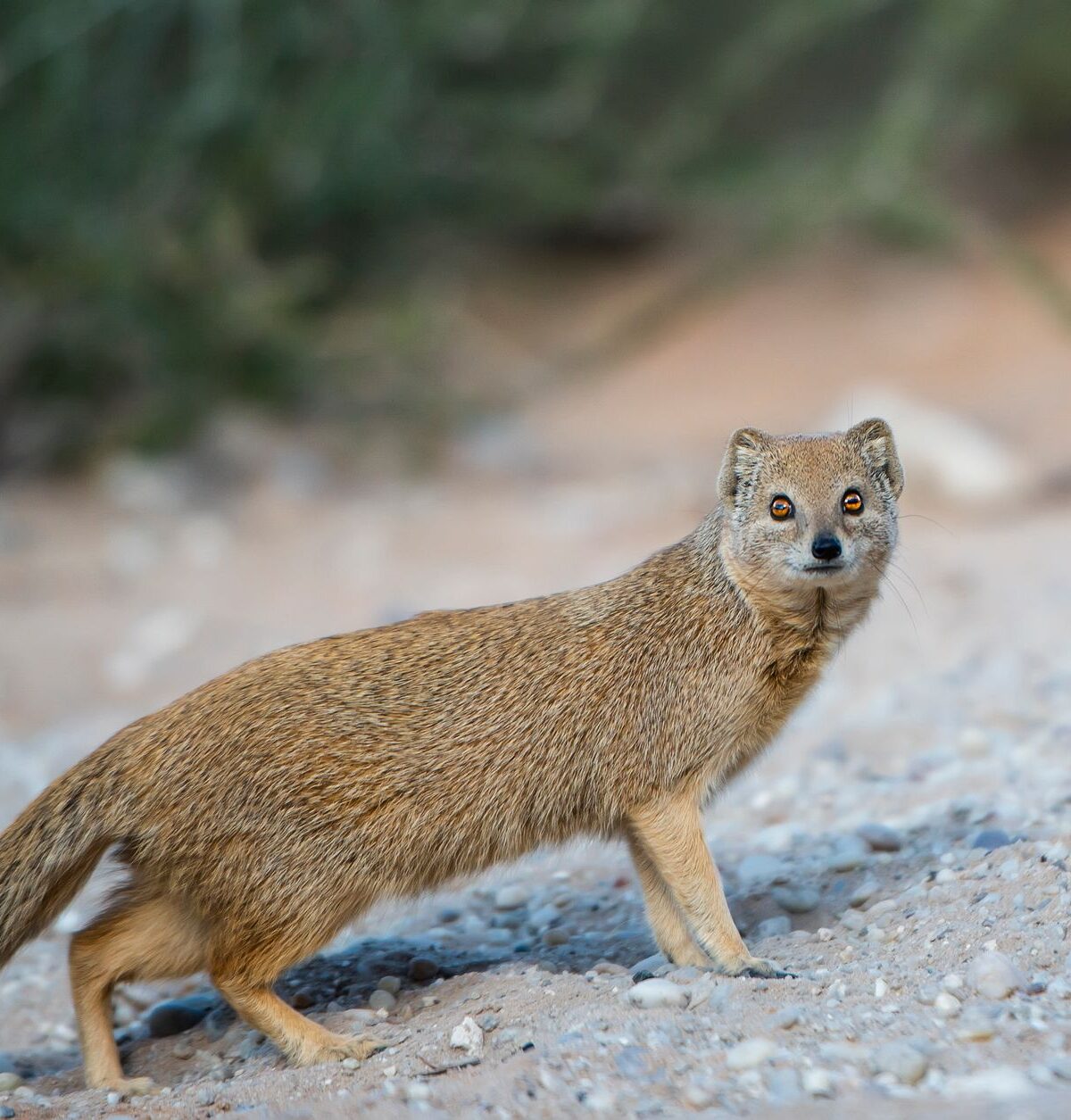
YELLOW MONGOOSE
Cynictis penicillata
DESCRIPTION
Also called Red Mongoose and African Mongoose, Yellow Mongoose is a small, slender mammal with a distinctive yellowish coat and a bushy tail. They have a pointed snout and large ears, which aid in their keen sense of hearing. Yellow Mongooses are social animals, often found in small groups, and are known for their playful behavior and vocalizations.
FUN FACTS
- Yellow Mongooses are known for their unique social behavior, often engaging in cooperative breeding where non-breeding individuals help care for the young
- They also have a fascinating way of communicating, using a range of vocalizations that can indicate alarm or social bonding.|These mongooses have a remarkable ability to adapt to different environments, which has allowed them to thrive in various habitats across southern Africa
- Their playful nature often leads them to engage in social play, which is essential for their development and social bonding
QUICK INFO
Lifespan5-10 years in the wild, up to 15 in captivity
Average Weight1.5-2.5 kg
Average Length40-50 cm
Diet TypeOmnivore
Social Structuregroup — they typically live in small family groups consisting of a few individuals.
Activity PatternDiurnal
Breeding SeasonSpring (September-November)
- Habitat
- They inhabit open grasslands, savannas, and scrublands, often preferring areas with loose soil for burrowing. Yellow Mongooses are adaptable and can thrive in various environments.
- Biomes
- Savanna, Grassland
- Native Range
- Yellow Mongooses are native to southern Africa, particularly in countries like South Africa, Namibia, and Botswana.
- Continent
- Africa
- Countries
- South Africa, Namibia, Botswana
- Diet
- Yellow Mongooses primarily feed on insects, small mammals, and fruits. They are opportunistic feeders and will scavenge when necessary.
- Diet Type
- Omnivore
- Favorite Food
- insects, small mammals
- Social Structure
- group — they typically live in small family groups consisting of a few individuals.
- Activity Pattern
- Diurnal
- Group Size
- 2-10
- Territorial
- 1
 LC
LC
 LC
LC
 LC
LC
1.5-2.5 kg
Weight
40-50 cm
Length
- Coloration
- yellowish-brown fur with a lighter underbelly
- Sexual Dimorphism
- males are generally larger than females
- Lifespan
- 5-10 years in the wild, up to 15 in captivity
- Gestation Period
- 60-70 days
- Offspring per Birth
- 2-4
- Sexual Maturity
- 1 year
- Breeding Season
- Spring (September-November)
LC
Least Concern
IUCN Red List Status
- Population Status
- The population is currently stable, but habitat loss poses a potential threat.
- Wild Population Estimate
- unknown
- Population Trend
- Stable
- Endangered
- 0
- Threats
- Main threats include habitat destruction and human encroachment. They are also vulnerable to predation by larger carnivores.
- Predators
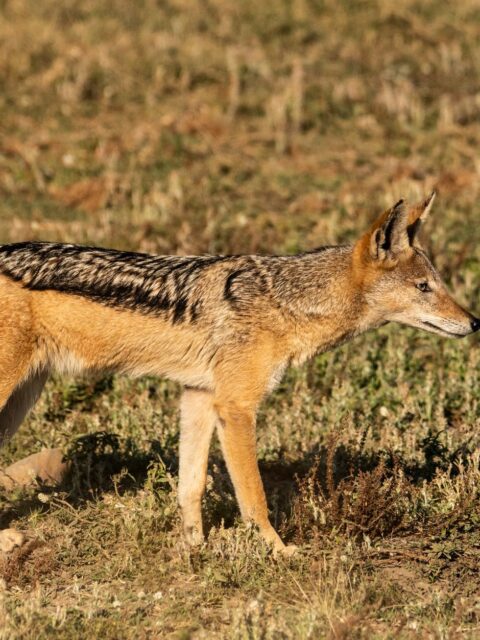
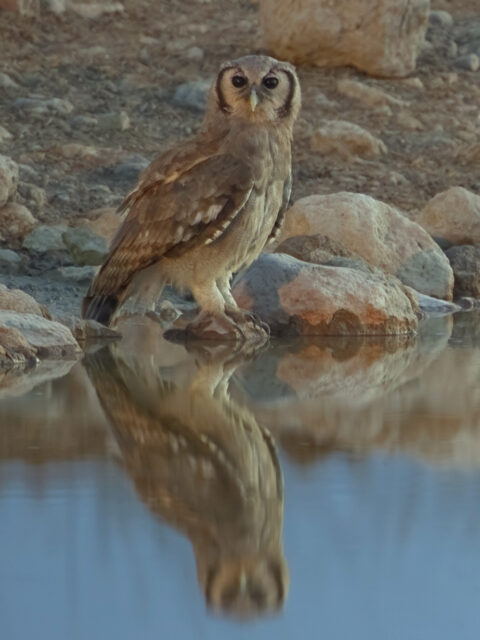
- Jackals, Eagles, Large snakes
- Defense Mechanisms
- They use burrows for shelter and can be quite agile to escape predators.
- Found in Zoos
- Uncommon