



YELLOW-SPOTTED AMAZON RIVER TURTLE
Podocnemis unifilis
DESCRIPTION
The Yellow-spotted Amazon River Turtle, or Podocnemis unifilis, is a medium-sized freshwater turtle characterized by its distinctive yellow spots on the head and neck. These turtles have a smooth, olive-brown carapace that can reach lengths of up to 60 cm. They are primarily aquatic and are often found basking on riverbanks or floating in the water, where they exhibit a calm demeanor and are known to be social with their own species.
FUN FACTS
- The Yellow-spotted Amazon River Turtle is an important species for maintaining the health of aquatic ecosystems, as they help control plant growth and disperse seeds
- Additionally, they are known for their unique social behaviors, often basking together in large groups, which can be a fascinating sight for visitors in their natural habitat
QUICK INFO
Lifespan20-30 years in the wild
Average Weight5-10 kg
Average Length50-60 cm
Diet TypeHerbivore
Social Structuregroup — they are often found in groups, especially during basking and nesting.
Activity PatternDiurnal
Breeding SeasonWet season (November-March)
- Habitat
- This species inhabits slow-moving rivers, lakes, and floodplain areas in the Amazon Basin. They prefer shallow waters with abundant vegetation, which provides both food and shelter.
- Biomes
- Tropical Rainforest, Freshwater
- Native Range
- The Yellow-spotted Amazon River Turtle is native to the Amazon River Basin, primarily found in countries such as Brazil, Colombia, Peru, and Venezuela.
- Continent
- South America
- Countries
- Brazil, Colombia, Peru, Venezuela
- Diet
- The Yellow-spotted Amazon River Turtle primarily feeds on a variety of aquatic plants, fruits, and some invertebrates. They play a crucial role in their ecosystem by helping to disperse seeds and maintain the health of aquatic vegetation.
- Diet Type
- Herbivore
- Favorite Food
- aquatic plants, fruits
- Social Structure
- group — they are often found in groups, especially during basking and nesting.
- Activity Pattern
- Diurnal
- Group Size
- 5-30
- Territorial
- 0
 LC
LC
 LC
LC
5-10 kg
Weight
50-60 cm
Length
- Coloration
- olive-brown carapace with yellow spots on the head and neck
- Sexual Dimorphism
- males are generally smaller than females and have longer tails
- Lifespan
- 20-30 years in the wild
- Offspring per Birth
- 10-30
- Sexual Maturity
- 4-5 years
- Breeding Season
- Wet season (November-March)
VU
Vulnerable
IUCN Red List Status
- Population Status
- The population is currently declining due to habitat loss and hunting.
- Wild Population Estimate
- unknown
- Population Trend
- Decreasing
- Endangered
- 1
- Threats
- Main threats include habitat destruction due to deforestation, pollution, and illegal hunting for meat and eggs. These factors have significantly impacted their populations in the wild.
- Conservation Program
- Various local conservation efforts are in place to protect their habitats and regulate hunting.
- Predators
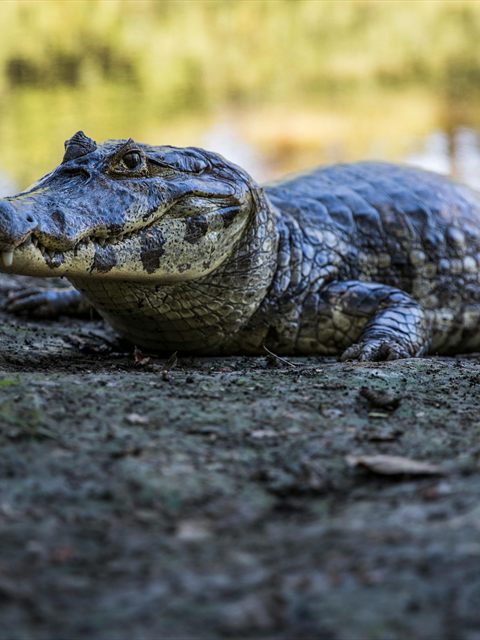
- Caiman, large fish, and birds of prey are known to prey on juvenile turtles, while adult turtles have few natural predators.
- Defense Mechanisms
- They can retract into their shells for protection and are also known to be quite agile in water.
- Found in Zoos
- Uncommon