



YELLOW-SPOTTED HYRAX
Heterohyrax brucei
DESCRIPTION
The Yellow-spotted Hyrax, also known as Heterohyrax brucei, is a small, herbivorous mammal characterized by its stocky body and short legs. It has a distinctive yellowish-brown coat with dark spots, which helps it blend into its rocky habitat. These animals are social creatures, often found in groups, and they communicate through a variety of vocalizations, including whistles and grunts.
FUN FACTS
- The Yellow-spotted Hyrax is closely related to elephants and manatees, despite its small size and rodent-like appearance
- This surprising relationship is due to their shared ancestry, which dates back millions of years
- | They have a unique social structure, often engaging in communal grooming and vocalizations to strengthen group bonds
- Their ability to communicate effectively helps them alert each other to potential dangers in their environment
QUICK INFO
Lifespan8-10 years in the wild, up to 15 years in captivit
Average Weight4-5 kg
Average Length50-70 cm
Diet TypeHerbivore
Social StructureThey typically live in groups, which can range from small family units to larger colonies. Social interactions are common, and they often groom each other.
Activity PatternDiurnal
Breeding SeasonYear-round, with peaks depending on local conditions
- Habitat
- Yellow-spotted Hyraxes inhabit rocky outcrops and hilly areas, often in semi-arid regions. They prefer areas with plenty of cover to hide from predators and access to vegetation for feeding.
- Biomes
- Savanna, Grassland, Rocky areas
- Native Range
- They are native to East Africa, particularly in regions such as Kenya and Tanzania.
- Continent
- Africa
- Countries
- Kenya, Tanzania, Uganda
- Diet
- The Yellow-spotted Hyrax primarily feeds on grasses, leaves, and fruits. They are known to graze on a variety of vegetation, adapting their diet based on seasonal availability.
- Diet Type
- Herbivore
- Favorite Food
- grasses, leaves, fruits
- Social Structure
- They typically live in groups, which can range from small family units to larger colonies. Social interactions are common, and they often groom each other.
- Activity Pattern
- Diurnal
- Group Size
- 5-30
- Territorial
- 0
 VU
VU
 LC
LC
 LC
LC
4-5 kg
Weight
50-70 cm
Length
- Coloration
- yellowish-brown with dark spots
- Lifespan
- 8-10 years in the wild, up to 15 years in captivit
- Gestation Period
- 7-8 months
- Offspring per Birth
- 1-3
- Sexual Maturity
- 1-2 years
- Breeding Season
- Year-round, with peaks depending on local conditions
LC
Least Concern
IUCN Red List Status
- Population Status
- The population is currently stable, but habitat loss poses a potential threat.
- Wild Population Estimate
- Unknown
- Population Trend
- Stable
- Endangered
- 0
- Threats
- Main threats include habitat destruction due to agriculture and urban development. Additionally, they face predation from larger carnivores.
- Predators
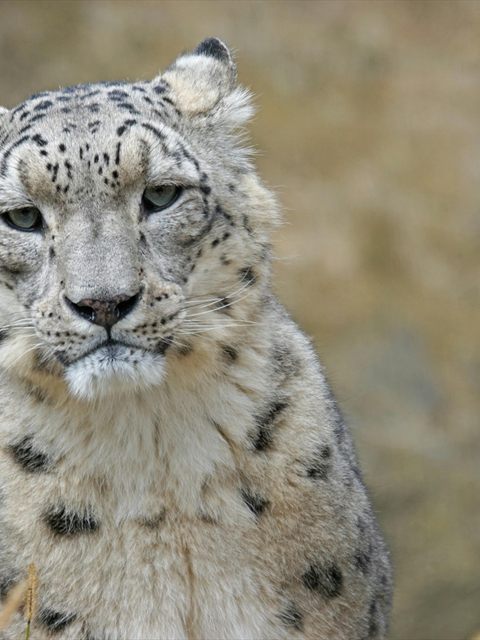
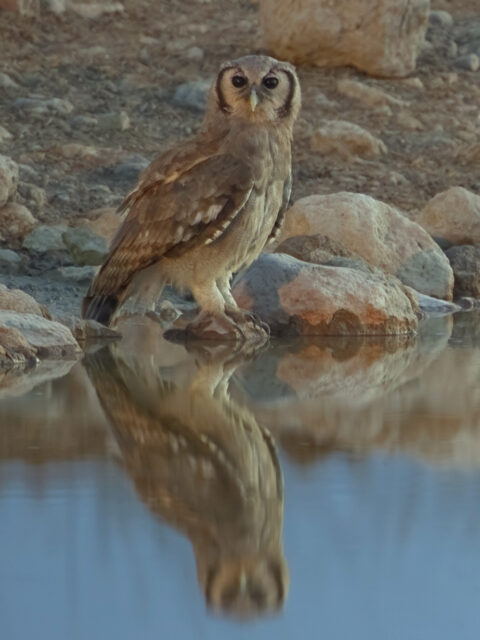
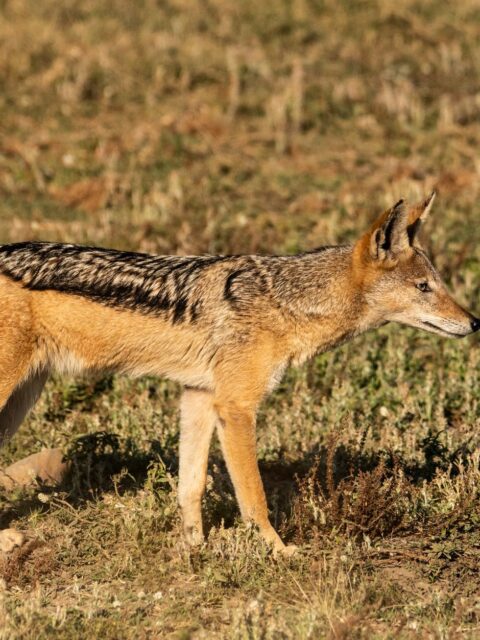
- Leopards, Eagles, Jackals
- Defense Mechanisms
- They use their rocky habitats for shelter and can quickly retreat to crevices when threatened.
- Found in Zoos
- Uncommon