


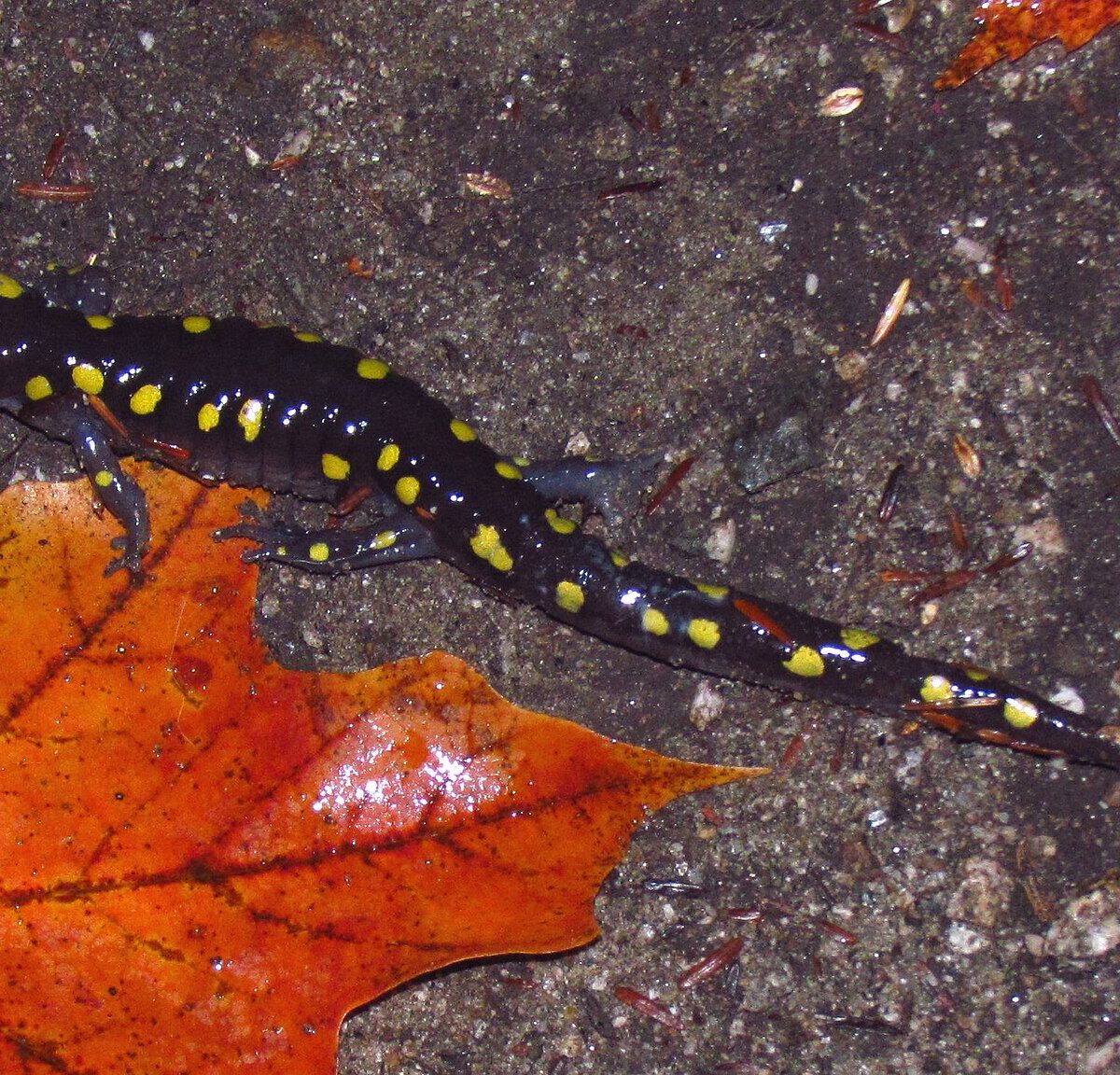
YELLOW-SPOTTED SALAMANDER
Ambystoma maculatum
DESCRIPTION
Yellow-spotted Salamander (Ambystoma maculatum) is also known as the Spotted Salamander due to its distinctive yellow or white spots on a dark background. This species typically exhibits a robust body and can grow to a length of about 7 to 9 inches. They are primarily nocturnal and are often found in moist, wooded areas, especially during the breeding season when they migrate to vernal pools.
FUN FACTS
- Yellow-spotted Salamanders have a unique reproductive strategy where they lay their eggs in clusters, often in vernal pools that dry up in the summer, providing a safe environment for their young
- | These salamanders are also known for their ability to regenerate lost limbs, a trait that is being studied for its potential applications in medicine
QUICK INFO
Lifespan10-20 years in the wild
Average Weight50-100 g
Average Length18-23 cm
Diet TypeInsectivore
Social Structuresolitary
Activity PatternNocturnal
Breeding SeasonSpring (March-April)
- Habitat
- These salamanders prefer moist, wooded environments and are often found in deciduous forests. They require access to temporary ponds for breeding, which provide a safe environment for their eggs.
- Biomes
- Temperate Forest
- Native Range
- The native range of the Yellow-spotted Salamander extends across the eastern United States and parts of Canada.
- Continent
- North America
- Countries
- United States, Canada
- Diet
- Yellow-spotted Salamanders primarily feed on a variety of invertebrates, including earthworms, insects, and other small invertebrates. They are opportunistic feeders and will consume whatever is available in their habitat.
- Diet Type
- Insectivore
- Favorite Food
- earthworms, insects
- Social Structure
- solitary
- Activity Pattern
- Nocturnal
- Group Size
- 1-2
- Territorial
- 0
 LC
LC
 VU
VU
 LC
LC
50-100 g
Weight
18-23 cm
Length
- Coloration
- dark blue-black body with bright yellow or white spots
- Sexual Dimorphism
- males are typically smaller than females
- Lifespan
- 10-20 years in the wild
- Offspring per Birth
- 50-200
- Sexual Maturity
- 2-4 years
- Breeding Season
- Spring (March-April)
LC
Least Concern
IUCN Red List Status
- Population Status
- The population of Yellow-spotted Salamanders is generally stable, but they face habitat loss in some areas.
- Wild Population Estimate
- unknown
- Population Trend
- Stable
- Endangered
- 0
- Threats
- Main threats include habitat destruction due to urban development and pollution of breeding ponds. Climate change may also impact their breeding habitats.
- Predators
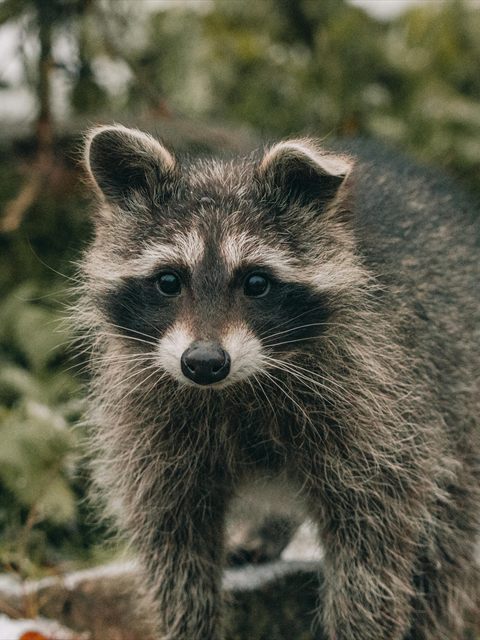
- Raccoons, birds, snakes, and larger amphibians are known predators of the Yellow-spotted Salamander.
- Defense Mechanisms
- They can secrete toxins through their skin as a defense mechanism against predators.
- Found in Zoos
- Uncommon