


ZEBRA FINCH
Taeniopygia guttata
DESCRIPTION
The Zebra Finch is a small, colorful bird known for its distinctive black and white striped head, orange cheek patches, and a bright orange beak. Males are more vibrantly colored than females, showcasing a striking contrast in plumage. These birds are highly social and often found in flocks, exhibiting playful behavior and complex vocalizations, which they use to communicate with one another.
FUN FACTS
- Zebra Finches are popular pets due to their charming personalities and beautiful songs
- They are also known for their ability to mimic sounds and phrases, making them entertaining companions
- | In the wild, Zebra Finches are known to breed in response to environmental cues, such as the availability of food and water, which allows them to maximize their reproductive success during favorable conditions
QUICK INFO
Lifespan5-7 years in the wild, up to 10 years in captivity
Average Weight10-15 g
Average Length10-11 cm
Diet TypeGranivore
Social StructureZebra Finches are typically found in pairs or small groups, often forming strong pair bonds during breeding.
Activity PatternDiurnal
Breeding SeasonYear-round in captivity, seasonal in the wild depending on rainfall.
- Habitat
- Zebra Finches inhabit open grasslands, savannas, and scrublands, often near water sources. They prefer areas with abundant vegetation for foraging and nesting.
- Biomes
- Savanna, Grassland
- Native Range
- Zebra Finches are native to Australia and the surrounding islands.
- Continent
- Australia
- Countries
- Australia
- Diet
- Zebra Finches primarily feed on seeds, particularly grass seeds, but they also consume fruits and vegetables. They require a varied diet to maintain their health and vitality.
- Diet Type
- Granivore
- Favorite Food
- grass seeds
- Social Structure
- Zebra Finches are typically found in pairs or small groups, often forming strong pair bonds during breeding.
- Activity Pattern
- Diurnal
- Group Size
- 5-30
- Territorial
- 0

 LC
LC
 LC
LC
10-15 g
Weight
10-11 cm
Length
- Coloration
- Males have bright orange cheeks and a striped head, while females are more subdued in color with less pronounced markings.
- Sexual Dimorphism
- Males are more colorful with distinct markings, while females are generally brown and less vibrant.
- Lifespan
- 5-7 years in the wild, up to 10 years in captivity
- Offspring per Birth
- 3-6
- Sexual Maturity
- 3-4 months
- Breeding Season
- Year-round in captivity, seasonal in the wild depending on rainfall.
LC
Least Concern
IUCN Red List Status
- Population Status
- Zebra Finches are abundant and widespread in their native range.
- Wild Population Estimate
- Not specifically estimated, but considered common.
- Population Trend
- Stable
- Endangered
- 0
- Threats
- Habitat loss due to agricultural expansion and urbanization poses a threat to their populations. However, they are currently not considered endangered.
- Predators
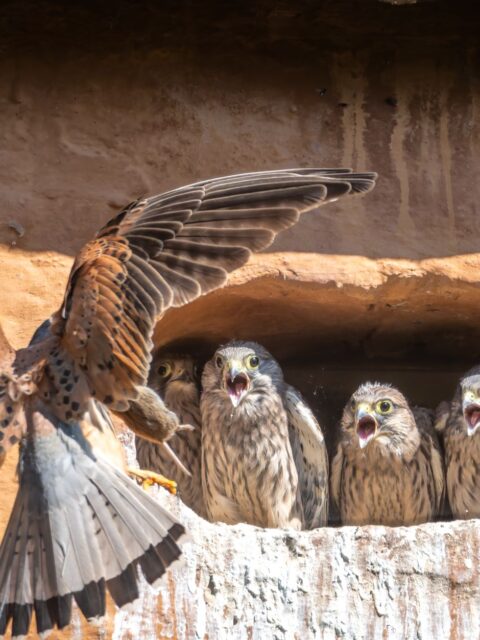
- Cats, snakes, and birds of prey such as hawks and kestrels.
- Defense Mechanisms
- Zebra Finches rely on their flocking behavior for safety, using alarm calls to warn of predators.
- Compatible Animals
- Canaries, other small finches, budgerigars
- Found in Zoos
- Common