



ZEBRA MONGOOSE
Mungos mungo
DESCRIPTION
The Zebra Mongoose, or Mungos mungo, is a medium-sized mammal characterized by its distinctive striped coat, which provides effective camouflage in its natural habitat. These mongooses are social animals, often found in groups that exhibit cooperative behaviors such as foraging and grooming. They are known for their agility and intelligence, often using teamwork to hunt and defend against predators.
FUN FACTS
- Zebra Mongooses are known for their playful behavior, often engaging in games and social interactions that strengthen group bonds
- They have a unique grooming behavior where they will clean each other's fur, which helps to maintain social cohesion and hygiene.| These mongooses are also known for their ability to hunt venomous snakes, using their agility and quick reflexes to avoid bites while delivering fatal strikes
QUICK INFO
Lifespan6-10 years in the wild, up to 15 years in captivit
Average Weight1.5-2.5 kg
Average Length40-60 cm
Diet TypeOmnivore
Social Structuregroup — they live in social groups that exhibit cooperative behaviors.
Activity PatternDiurnal
Breeding SeasonYear-round, with peaks depending on local conditions
- Habitat
- Zebra Mongooses inhabit savannas, grasslands, and open woodlands, where they can easily dig for food and create burrows. They prefer areas with ample cover to hide from predators and to hunt for food.
- Biomes
- Savanna, Grassland
- Native Range
- They are native to sub-Saharan Africa, particularly in regions with open habitats.
- Continent
- Africa
- Countries
- Botswana, Namibia, South Africa, Zimbabwe
- Diet
- Zebra Mongooses primarily feed on insects, small mammals, and fruits. They are opportunistic feeders and will consume a variety of food sources depending on availability.
- Diet Type
- Omnivore
- Favorite Food
- insects, small mammals
- Social Structure
- group — they live in social groups that exhibit cooperative behaviors.
- Activity Pattern
- Diurnal
- Group Size
- 5-20
- Territorial
- 1
 LC
LC
 VU
VU
 LC
LC
 VU
VU
1.5-2.5 kg
Weight
40-60 cm
Length
- Coloration
- They have a grayish-brown coat with distinctive black stripes along their back.
- Lifespan
- 6-10 years in the wild, up to 15 years in captivit
- Gestation Period
- 60-70 days
- Offspring per Birth
- 2-4
- Sexual Maturity
- 1-2 years
- Breeding Season
- Year-round, with peaks depending on local conditions
LC
Least Concern
IUCN Red List Status
- Population Status
- The population is currently stable, but habitat loss poses a potential threat.
- Wild Population Estimate
- Unknown
- Population Trend
- Stable
- Endangered
- 0
- Threats
- Main threats include habitat destruction due to agriculture and urbanization. They are also vulnerable to predation by larger carnivores.
- Predators
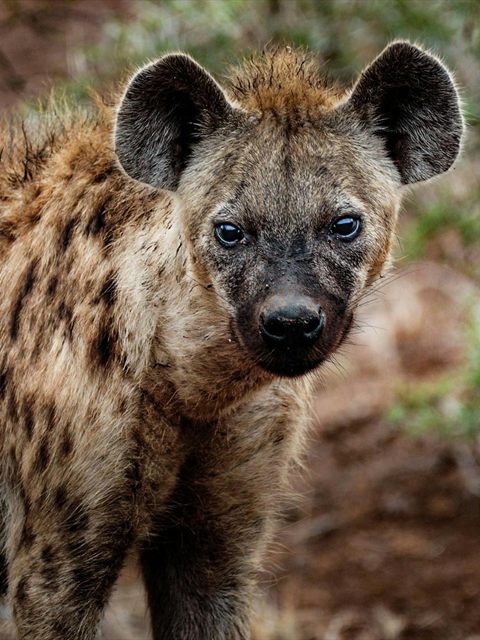
- Lions, leopards, hyenas, and large birds of prey.
- Defense Mechanisms
- They use group vigilance and alarm calls to warn each other of approaching threats.
- Found in Zoos
- Uncommon