


ZEBRA
Equus quagga
DESCRIPTION
Zebras are distinctive equids known for their black and white striped coats. They are social animals that live in herds and are native to Africa.
FUN FACTS
- Each zebra's stripe pattern is unique like a fingerprint | Zebras can run up to 65 km/h | They are known to be very social and often groom each other
QUICK INFO
Lifespan25 years in the wild, up to 40 in captivity
Average Weight200-450 kg
Average Length2-2.5 m
Diet TypeHerbivore
Social Structuregroup — typically live in harems or larger herds
Activity PatternDiurnal
Breeding SeasonYear-round, with peaks depending on the region
- Habitat
- Zebras inhabit a variety of environments, including savannas, grasslands, and woodlands. They prefer areas with access to water and abundant grazing.
- Biomes
- Savanna, Grassland, Woodland
- Native Range
- Sub-Saharan Africa
- Continent
- Africa
- Countries
- Kenya, Tanzania, Botswana, South Africa, Namibia, Zimbabwe
- Diet
- Zebras are herbivores that primarily graze on grasses. They may also consume leaves and shrubs when grass is scarce.
- Diet Type
- Herbivore
- Favorite Food
- grasses
- Social Structure
- group — typically live in harems or larger herds
- Activity Pattern
- Diurnal
- Group Size
- 5-20
- Territorial
- 0
 LC
LC
 LC
LC
 VU
VU
200-450 kg
Weight
2-2.5 m
Length
1.2-1.5 m at shoulder
Height (Shoulder)
- Coloration
- black and white stripes
- Sexual Dimorphism
- males are generally larger than females
- Lifespan
- 25 years in the wild, up to 40 in captivity
- Gestation Period
- 12-13 months
- Offspring per Birth
- 1
- Sexual Maturity
- 3-4 years
- Breeding Season
- Year-round, with peaks depending on the region
LC
Least Concern
IUCN Red List Status
- Population Status
- Zebra populations are generally stable, but some subspecies are threatened.
- Wild Population Estimate
- 500,000+
- Population Trend
- Stable
- Endangered
- 0
- Threats
- Main threats include habitat loss and hunting. They are also affected by competition with livestock for resources.
- Predators
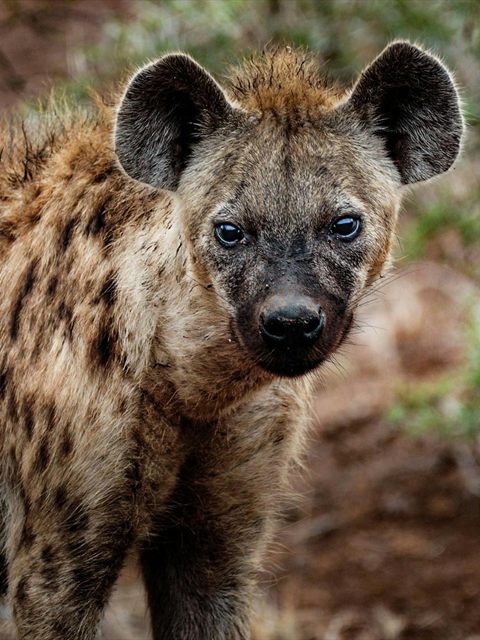
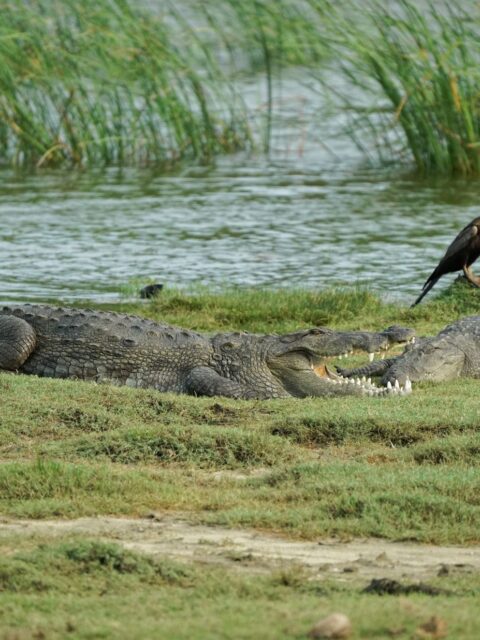
- Lions, hyenas, crocodiles
- Defense Mechanisms
- Zebras use their stripes for camouflage and confuse predators. They also form groups to protect against attacks.
- Compatible Animals
- none
- Found in Zoos
- Common