All zoos in Europe where you can see Anacondas — covering all species.
 #1
#1
Saint-Aignan, France
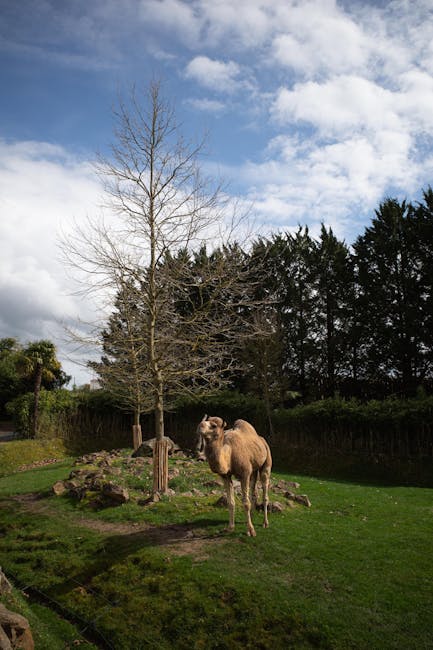
ZooParc de Beauval, commonly known as Beauval Zoo, is a renowned zoological park located in Saint-Aignan-sur-Cher in the Centre-Val de Loire region of France. Established in 1980 by Françoise Delord, the zoo began as a bird park and has since grown into one of the largest and most diverse animal collections in France and Europe. Today, Beauval Zoo spans 40 hectares and is home to over 35,000 animals representing 800 species, including rare and endangered species such as giant pandas, okapis, tree kangaroos, and koalas. The zoo is famous for being the first in France to present leucistic big cats like white tigers and white lions, which significantly boosted its popularity. Visitors can explore a variety of themed zones, including expansive greenhouses for birds and great apes, large plains for African and Asian herbivores, and unique attractions like a free-flight bird show and a sea lion basin. Beauval Zoo is also a leader in conservation, participating in European Endangered Species Programmes and supporting wildlife reintroduction efforts.
 #2
#2
Colchester, United Kingdom of Great Britain and Northern Ireland
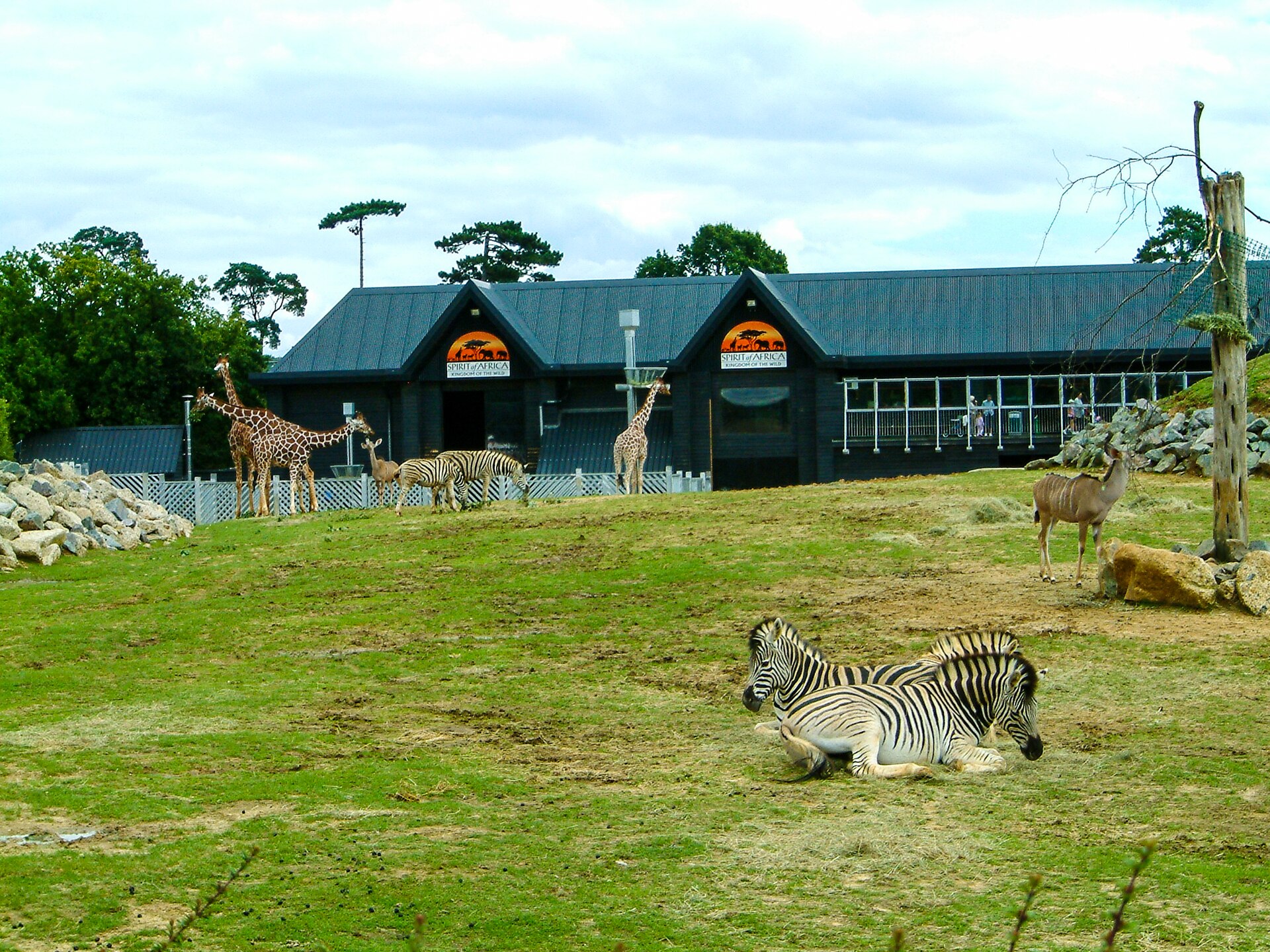
Colchester Zoo, operated by the Colchester Zoological Society, is a popular family attraction located in Essex, England. The zoo is dedicated to conservation, with all visits and purchases helping to fund both local and global wildlife projects. Visitors can expect a wide range of animal exhibits, interactive experiences, and special events throughout the year. The zoo offers unique animal encounters, adoption programs, and educational opportunities for guests of all ages. With a focus on supporting threatened species, Colchester Zoo provides a memorable and meaningful day out for families and wildlife enthusiasts alike.
 #3
#3
Avintes, Portugal
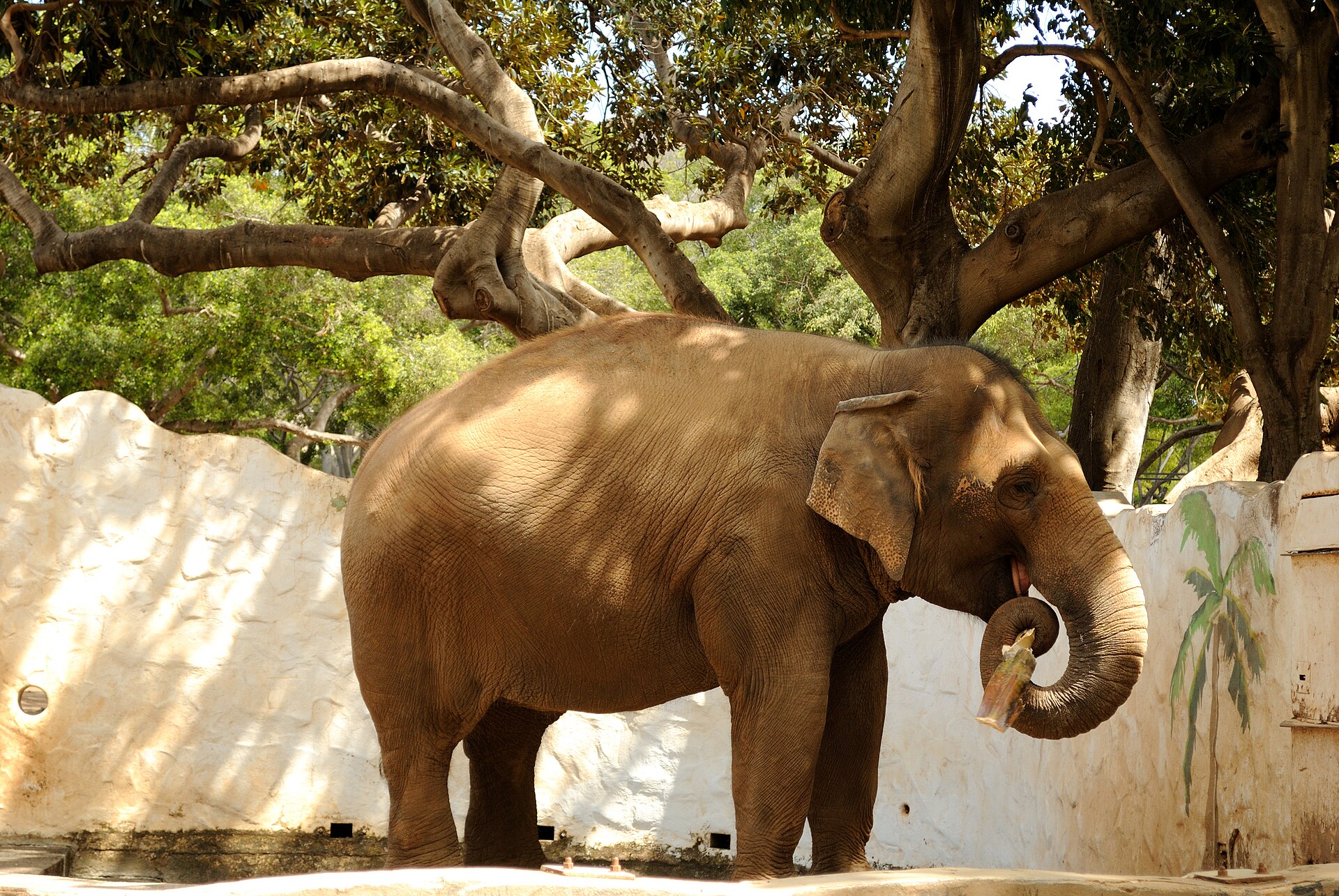
Zoo Santo Inácio is the largest and greenest zoo in northern Portugal, located just 10 minutes from the center of Porto in Vila Nova de Gaia. The zoo is home to over 500 animals representing more than 100 different species, offering visitors a chance to experience a wide variety of wildlife up close. Established with a strong mission of conservation, the zoo is dedicated to the protection and preservation of wild species, especially those threatened with extinction. Visitors can expect immersive experiences such as observing lions through a glass tunnel, participating in seasonal events like the 'Wild Lights' nighttime illumination, and engaging in educational activities for all ages. The zoo is praised for its spacious, natural environment, well-maintained facilities, and friendly, professional staff, making it an ideal destination for families and nature enthusiasts.
 #4
#4
Stuttgart, Germany
Wilhelma Zoological and Botanical Garden, located in Stuttgart, Germany, is a unique combination of zoo and botanical garden. It is renowned for its historical architecture, originally built as a royal palace in the mid-19th century, which now houses a diverse collection of animals and plants. Visitors can explore a wide variety of animal species from around the world, as well as extensive botanical displays, including greenhouses and themed gardens. The zoo regularly hosts educational events and interactive programs for children and families. Wilhelma is also actively involved in global conservation projects, supporting the protection of endangered species and habitats.
 #5
#5
Les Mathes, France
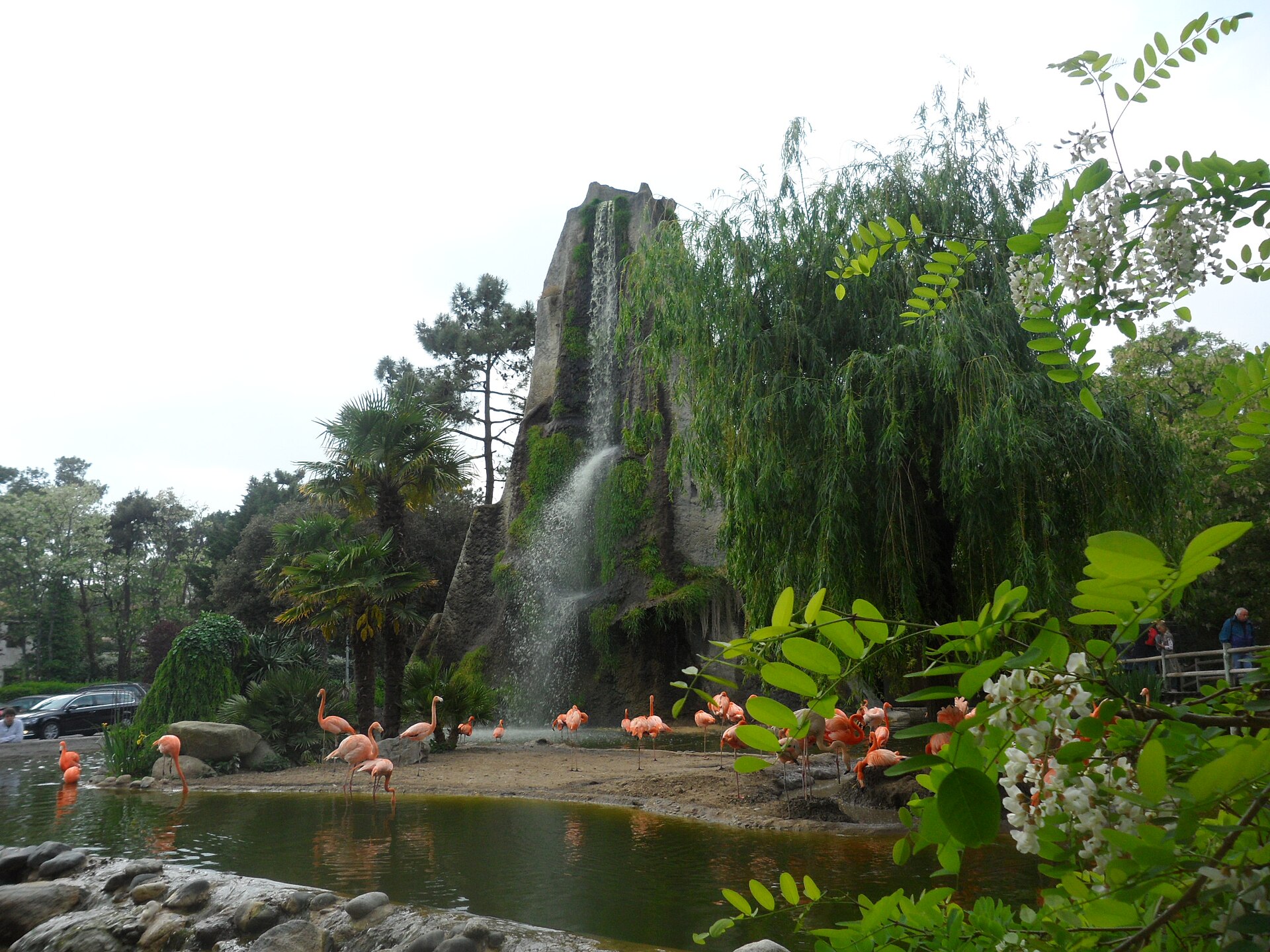
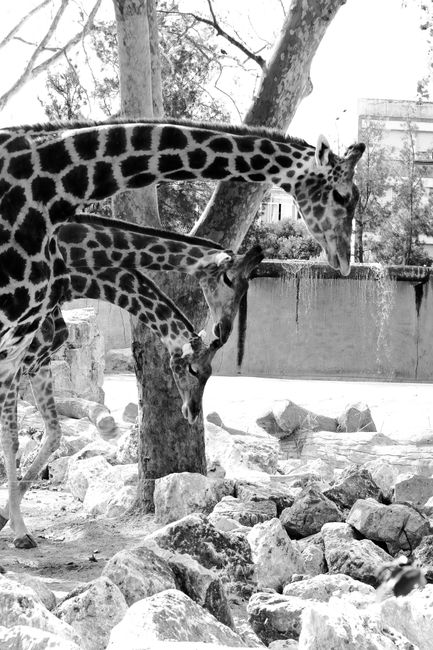
La Palmyre Zoo, located in Les Mathes, Charente-Maritime near Royan in southwestern France, is one of the country's most renowned zoological parks. Founded in 1966 by Claude Caillé, the zoo began with just 60 animals on three hectares and has since expanded to cover 18 hectares, including 14 hectares of landscaped gardens. Visitors can explore over 4 kilometers of pathways and observe more than 1,600 animals representing 145 species from around the world. The zoo is set in the scenic forest of la Coubre, offering a natural and immersive environment for both animals and guests. Over the decades, La Palmyre Zoo has become a major attraction, known for its commitment to animal care, innovative exhibits, and participation in international conservation efforts.
 #6
#6
Rome, Italy
Bioparco di Roma is a 17-hectare zoological garden located within the historic Villa Borghese estate in Rome, Italy. Established in 1911, it is the oldest zoo in Italy and was originally designed to entertain and amuse the public, rather than serve purely scientific purposes. The zoo was conceived by Carl Hagenbeck, who pioneered the use of ditches and pits instead of bars, creating more naturalistic enclosures for the animals. Over the years, Bioparco di Roma has expanded and renovated its facilities, including the addition of a large aviary and a reptile house. Today, visitors can expect to see over 1,100 animals representing more than 220 species, including mammals, birds, and reptiles, in a lush, green setting.
 #7
#7
Blandain, Belgium
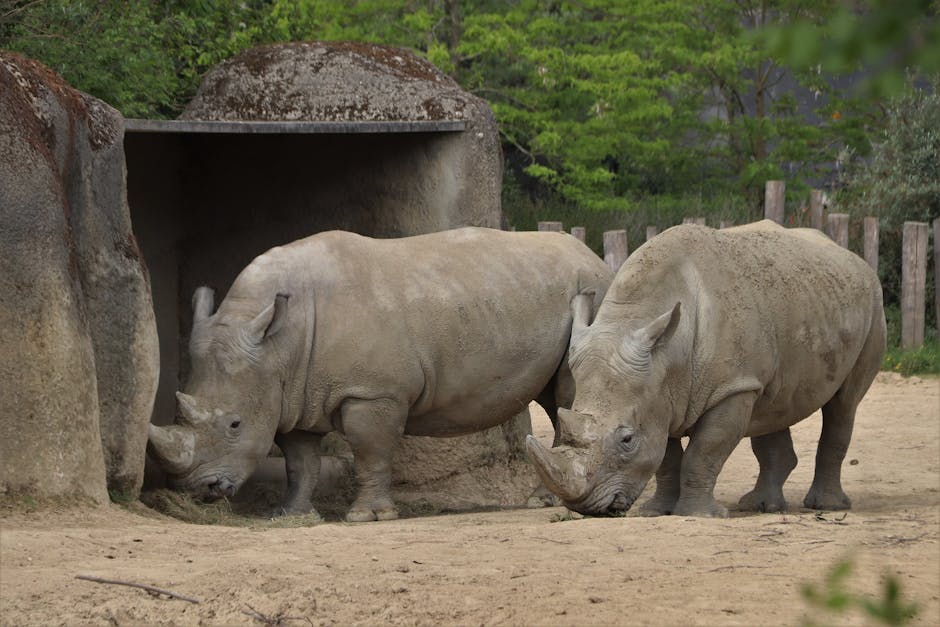
La Ferme aux Crocodiles is the largest animal park in Europe dedicated to reptiles and crocodiles. Located in Pierrelatte, France, it features a vast tropical reserve covering one hectare. The zoo is home to 1,200 animals, including crocodiles, turtles, lizards, snakes, birds, and fish, with 150 birds flying freely within the reserve. Visitors can explore lush tropical plants and large trees, creating an immersive environment that mimics the animals' natural habitats. The park offers a variety of daily animal encounters and educational activities, such as guided tours and documentary screenings. La Ferme aux Crocodiles is renowned for its unique focus on reptiles and provides an intense, interactive experience for visitors of all ages.
 #8
#8
Paris, France
The Paris Zoological Park, also known as Parc zoologique de Paris or Vincennes Zoo, is a major zoological facility located in the 12th arrondissement of Paris. It was established in 1934 as a complement to the historic Ménagerie du Jardin des plantes, with a focus on providing animals with more suitable and naturalistic environments. The zoo is renowned for its iconic 65-meter-high artificial rock, known as the "Big Rock," which is a prominent feature visible from afar and a symbol of the park. Covering 14.5 hectares, the zoo houses around 1,000 animals representing 180 species, and includes a 4,000 square meter greenhouse simulating a tropical rainforest climate. After closing for extensive renovations from 2008 to 2014, the zoo reopened with modernized habitats grouped into five major natural environments, or biozones, designed to meet contemporary standards for animal welfare and visitor experience.

