Just 2 of roughly 11 zoos in France have Cuvier's Dwarf Caiman.
All zoos in France where you can see Cuvier's Dwarf Caiman.
 1 / 16








Paris, France
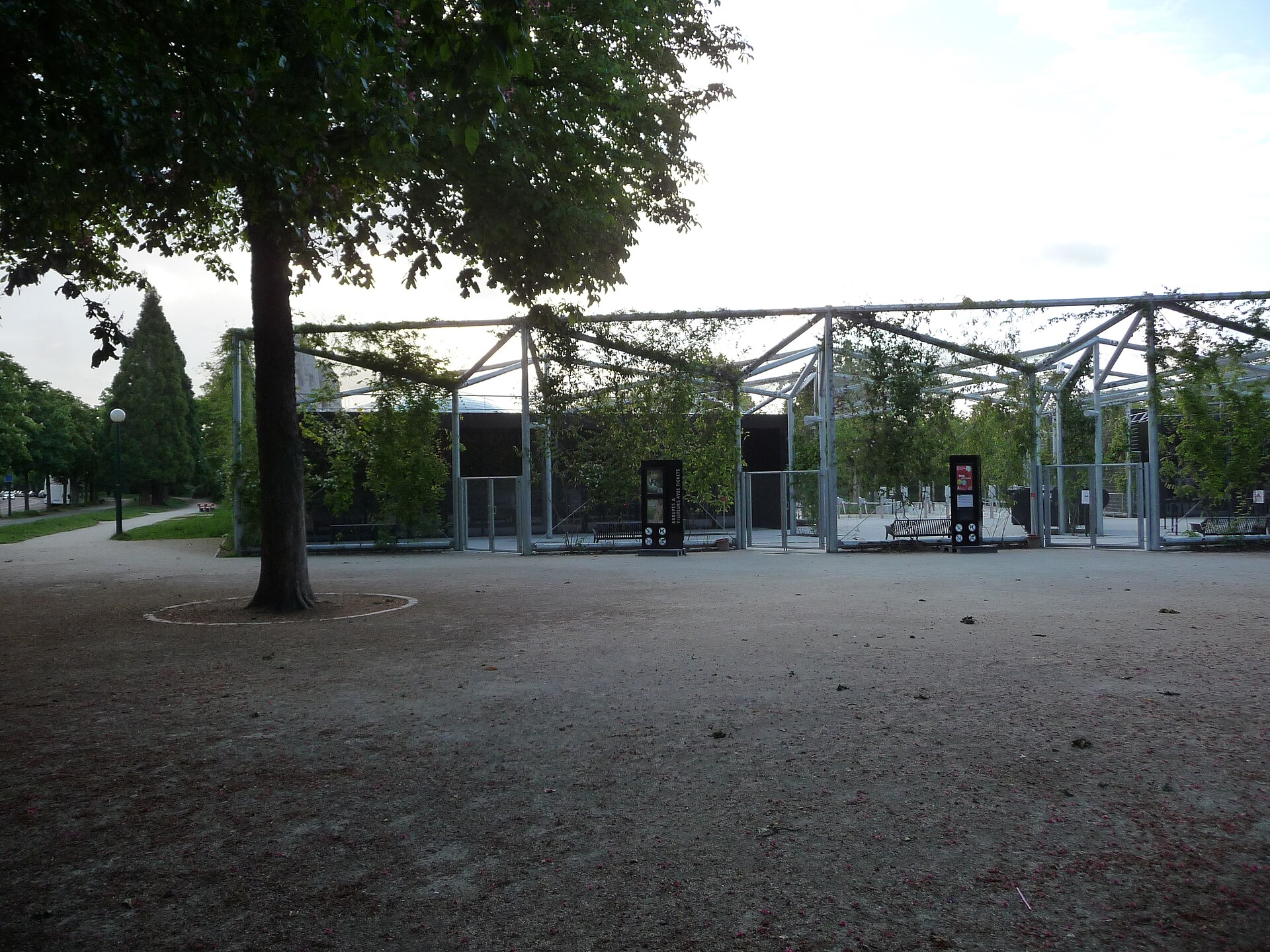
The Paris Zoological Park houses Cuvier's dwarf caimans, a species native to French Guiana.
The Paris Zoological Park is home to Cuvier's dwarf caimans (Paleosuchus palpebrosus), a forest species native to French Guiana. While specific details about individual caimans or their acquisition are not publicly available, visitors can observe these elusive reptiles in the zoo's Amazon-Guyana biozone, which replicates their natural habitat.
In addition to showcasing these caimans, the zoo actively participates in conservation efforts. It supports in situ research projects in French Guiana, such as studies in the Nouragues Reserve that analyze the genetic diversity and behavior of local caiman populations. These projects also assess mercury contamination levels, using caimans as indicators of water quality.
For those interested in contributing to the care and conservation of these animals, the Paris Zoological Park offers a sponsorship program. By sponsoring a Cuvier's dwarf caiman, supporters aid in daily care, habitat studies, and educational initiatives aimed at preserving this species.
 1 / 3
1 / 3

Romaneche-Thorins, France
Zoo Parc de Touroparc in France is home to Cuvier's Dwarf Caiman, a species native to South America.
While specific details about the individual caimans at Touroparc are not publicly available, the zoo is known for its commitment to conservation efforts. In 2010, Touroparc established the 'Touroparc Conservation' endowment fund to support various conservation programs, including those focusing on endangered species.
Visitors can observe the Cuvier's Dwarf Caiman in an environment designed to mimic their natural habitat, providing insights into the species' behavior and ecology. This exhibit offers an opportunity to learn about the unique characteristics of these small crocodilians and the importance of their conservation.

