All zoos in Poland where you can see Domestic Bactrian Camel.
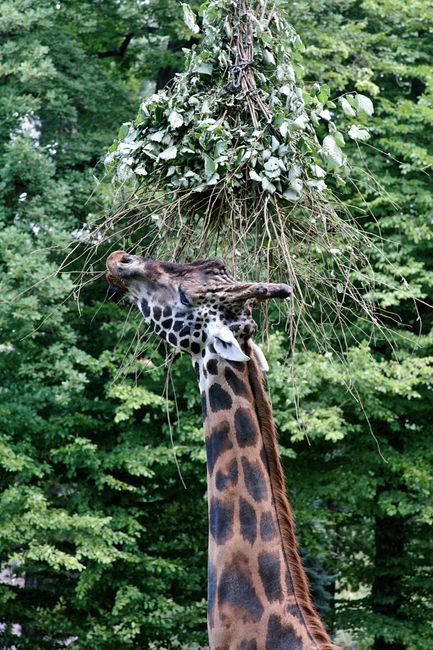 #1
#1
Kraków, Poland
Kraków Zoo, officially known as the Kraków Zoological Garden, is located in Kraków, Poland and was established in 1929. The zoo is situated in the scenic Las Wolski forest, near the historic Camaldolese Hermit Monastery in Bielany. It houses over 1,500 animals representing around 260 species, making it one of the most diverse zoological collections in Poland. The zoo has a rich history, with the tradition of keeping exotic animals in Kraków dating back to the Middle Ages, including a royal menagerie on Wawel Hill. Visitors can expect to see a wide variety of animals, including rare and endangered species, and enjoy modern facilities set within nearly 17 hectares of natural surroundings.
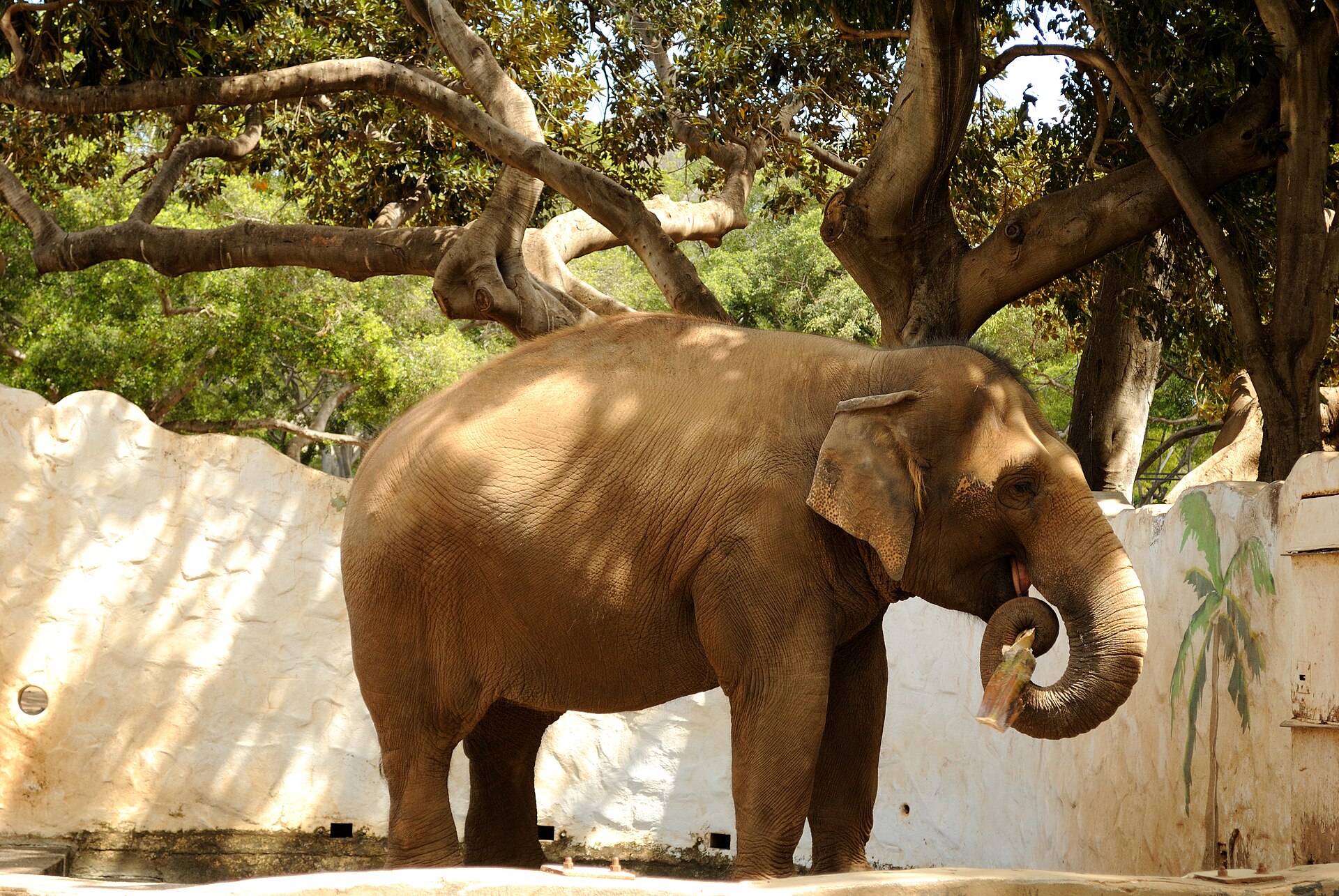 #2
#2
Gdansk, Poland
Gdansk Zoo, officially known as Ogród Zoologiczny w Gda?sku, is a prominent zoological garden located in Gda?sk, Poland. Established in 1954, the zoo spans approximately 125 hectares, making it one of the largest zoos in the country by area. It is home to animals from all continents, offering visitors the chance to see a diverse range of species in spacious, naturalistic enclosures. The zoo is a member of the European Association of Zoos and Aquaria (EAZA), which allows it to participate in over 50 European breeding programs for endangered species. Visitors can expect a year-round experience with educational and recreational packages, as well as opportunities to learn about conservation and animal care.
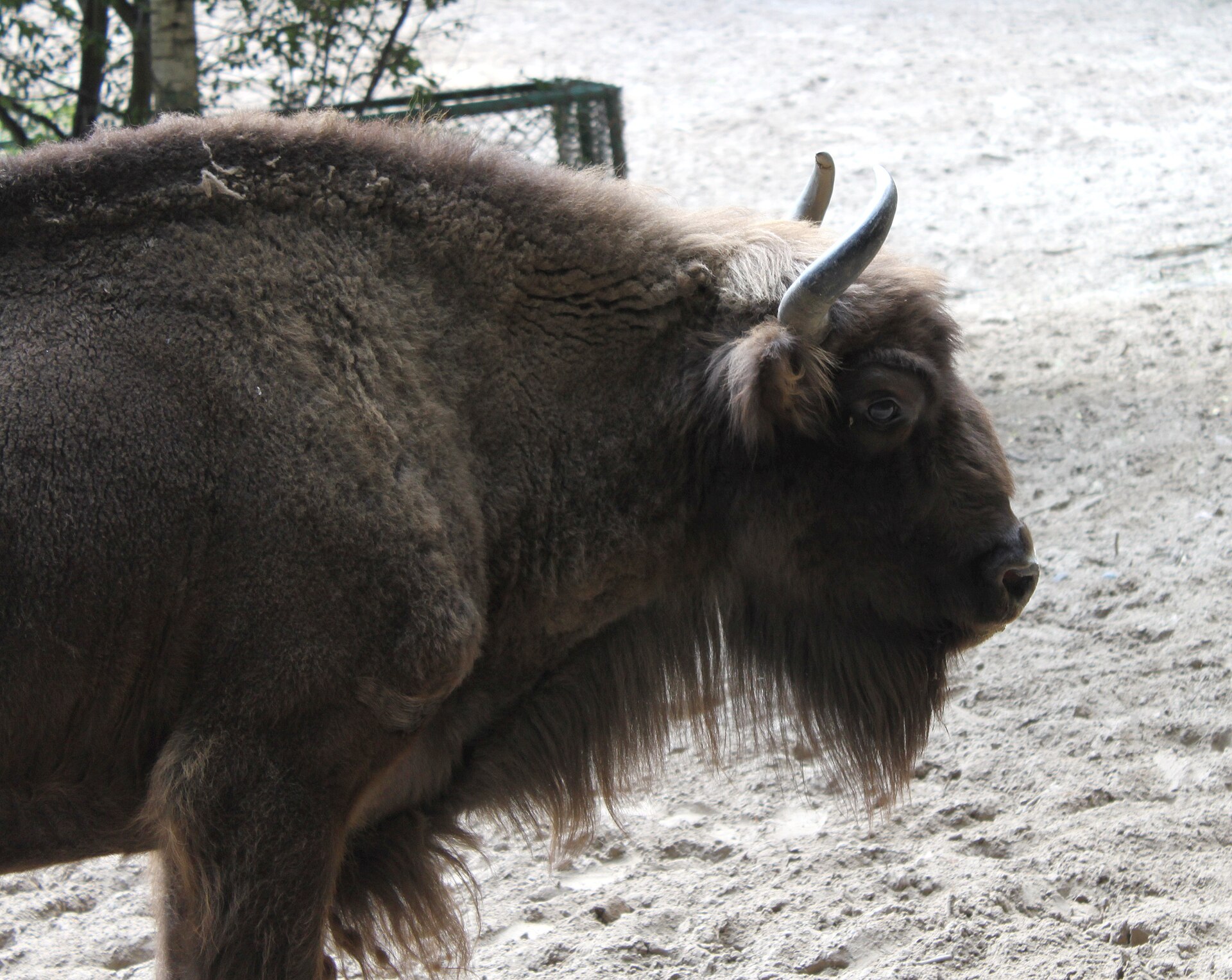 #3
#3
Gda?sk, Poland
The Zoological Garden in Gda?sk, established in 1954, is a prominent zoo located in northern Poland. Spanning approximately 125 hectares, it is home to animals from all continents, offering visitors a diverse and immersive wildlife experience. The zoo houses 164 species and a total of 868 individual animals, making it one of the largest zoological collections in the region. As a member of the European Association of Zoos and Aquaria (EAZA), the Gda?sk Zoo actively participates in over 50 European breeding programs for endangered species. Visitors can expect well-maintained habitats, educational programs, and opportunities to observe rare and exotic animals throughout the year.

