All zoos in Europe where you can see Ibiss — covering all species.

Leipzig, Germany
Leipzig Zoological Garden, located in the heart of Leipzig, offers visitors the chance to explore a fascinating wilderness within the city. The zoo is renowned for its diverse range of animal species and its naturalistic habitats, which are spread across six exciting themed worlds. Open 365 days a year, guests can embark on discovery tours and learn about the importance of nature and species conservation. The zoo regularly hosts special events, evening experiences, and cultural activities, making it a vibrant destination for families and animal enthusiasts alike. Visitors can also support the zoo's mission through sponsorships, donations, or animal adoptions, contributing to the well-being of both resident and endangered animals worldwide.

Munich, Germany
Munich Zoo Hellabrunn, also known as Tierpark Hellabrunn, is a renowned zoological park located in Munich, Germany. Established in 1911, it is recognized as the world's first geo-zoo, where animals are grouped according to their geographic origins rather than species. The zoo is home to more than 500 animal species from all five continents, offering visitors the chance to experience a wide variety of habitats, from the African savanna to the icy polar world, within a short walking distance. Hellabrunn is open 365 days a year, providing educational opportunities about nature conservation and the protection of animal habitats. Visitors can also enjoy interactive experiences such as a petting zoo and guided tours for families and children.

Berlin, Germany
Berlin Zoo, known as Zoo Berlin, is the oldest zoo in Germany and one of the most visited in the country. Established 180 years ago, it has become a beloved institution for generations, evoking childhood memories and embracing modern developments. The zoo is renowned for its incredible diversity, being one of the most species-rich zoos in the world. Among its many residents are the only giant pandas in Germany, making it a unique attraction for visitors. Guests can expect a vibrant and diverse experience that reflects the cosmopolitan spirit of Berlin, with opportunities to see rare animals and participate in special encounters.
Paris, France
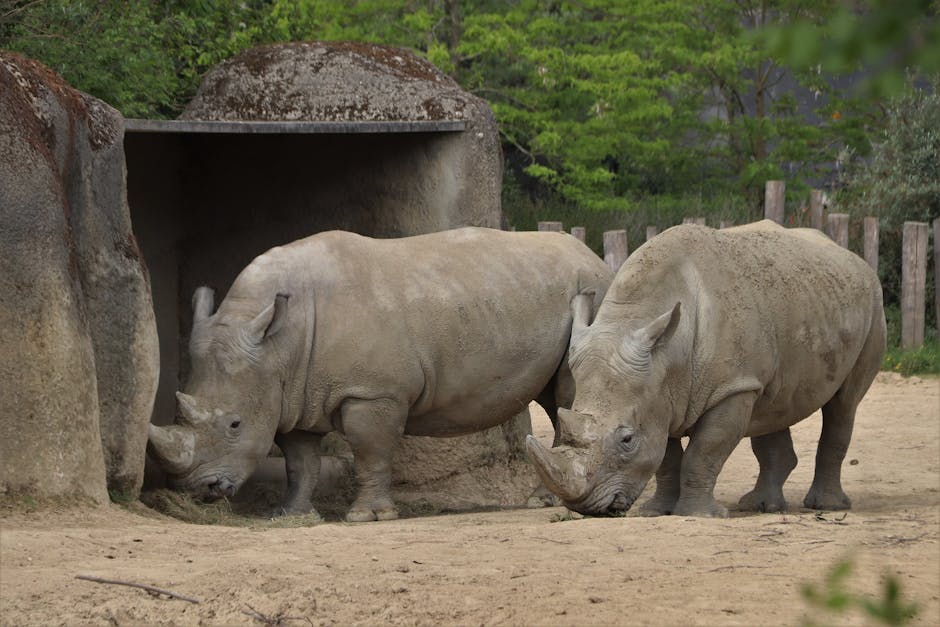
The Paris Zoological Park, also known as Parc zoologique de Paris or Vincennes Zoo, is a major zoological facility located in the 12th arrondissement of Paris. It was established in 1934 as a complement to the historic Ménagerie du Jardin des plantes, with a focus on providing animals with more suitable and naturalistic environments. The zoo is renowned for its iconic 65-meter-high artificial rock, known as the "Big Rock," which is a prominent feature visible from afar and a symbol of the park. Covering 14.5 hectares, the zoo houses around 1,000 animals representing 180 species, and includes a 4,000 square meter greenhouse simulating a tropical rainforest climate. After closing for extensive renovations from 2008 to 2014, the zoo reopened with modernized habitats grouped into five major natural environments, or biozones, designed to meet contemporary standards for animal welfare and visitor experience.

