All zoos in France where you can see Sakis — covering all species.
 #1
#1
Romagne, France
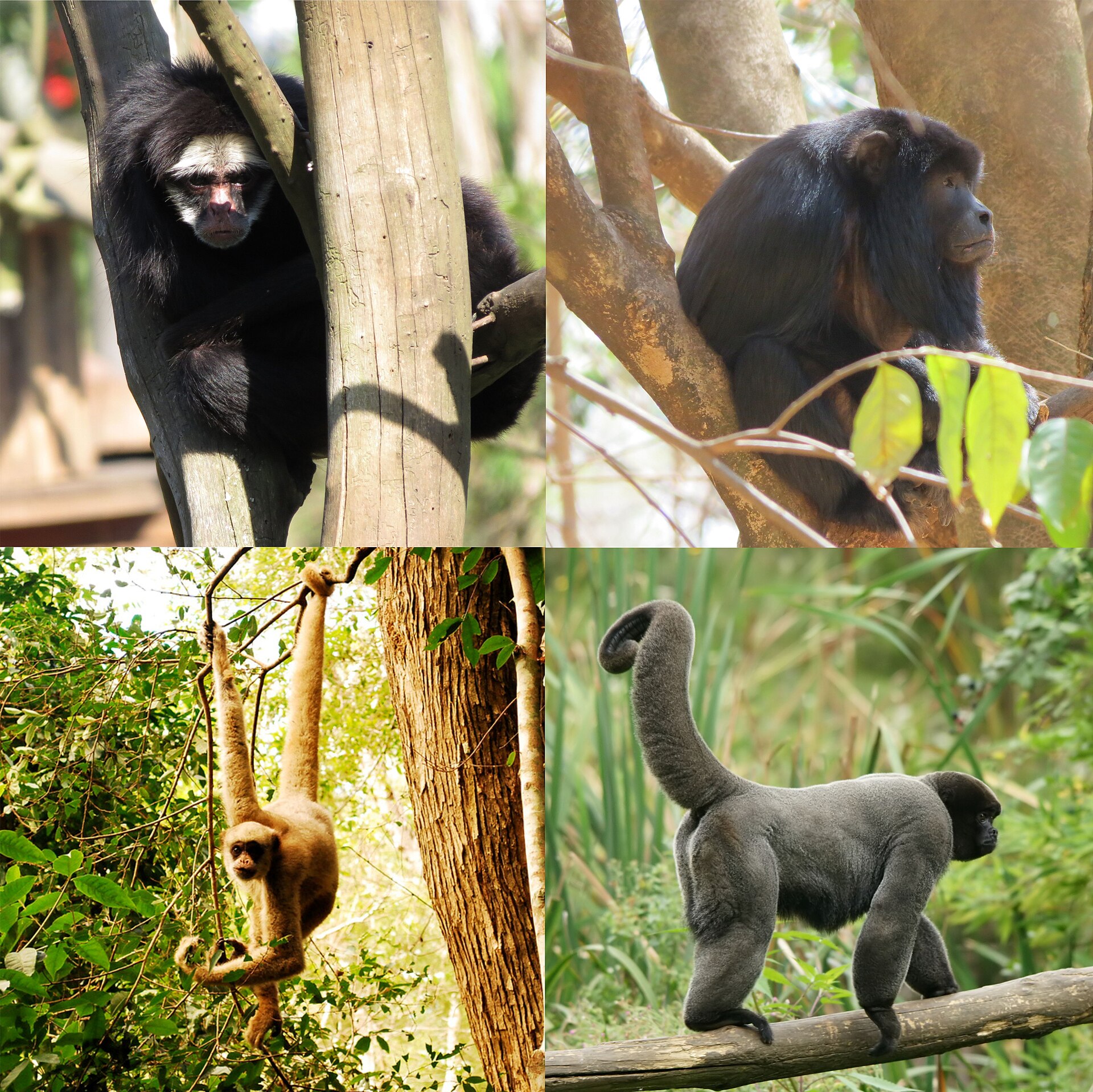
La Vallée des Singes is a unique zoological park in France, specializing exclusively in primates. Located in Romagne, near Poitiers and the Futuroscope in the Nouvelle-Aquitaine region, the park covers 22 hectares of shaded paths, streams, and waterfalls, offering a natural and immersive environment. Since its creation, the park has welcomed over 450 primates living in semi-liberty, with no cages or barriers, allowing visitors to observe the animals up close in a setting that closely resembles their natural habitats. The park is renowned for its impressive record of 900 primate births, including rare and delicate species such as gorillas, bonobos, and woolly monkeys. Visitors can expect to see a wide variety of primate species, including squirrel monkeys, golden lion tamarins, mandrills, and gibbons, all thriving on verdant islands designed for their well-being.
 #2
#2
Les Mathes, France
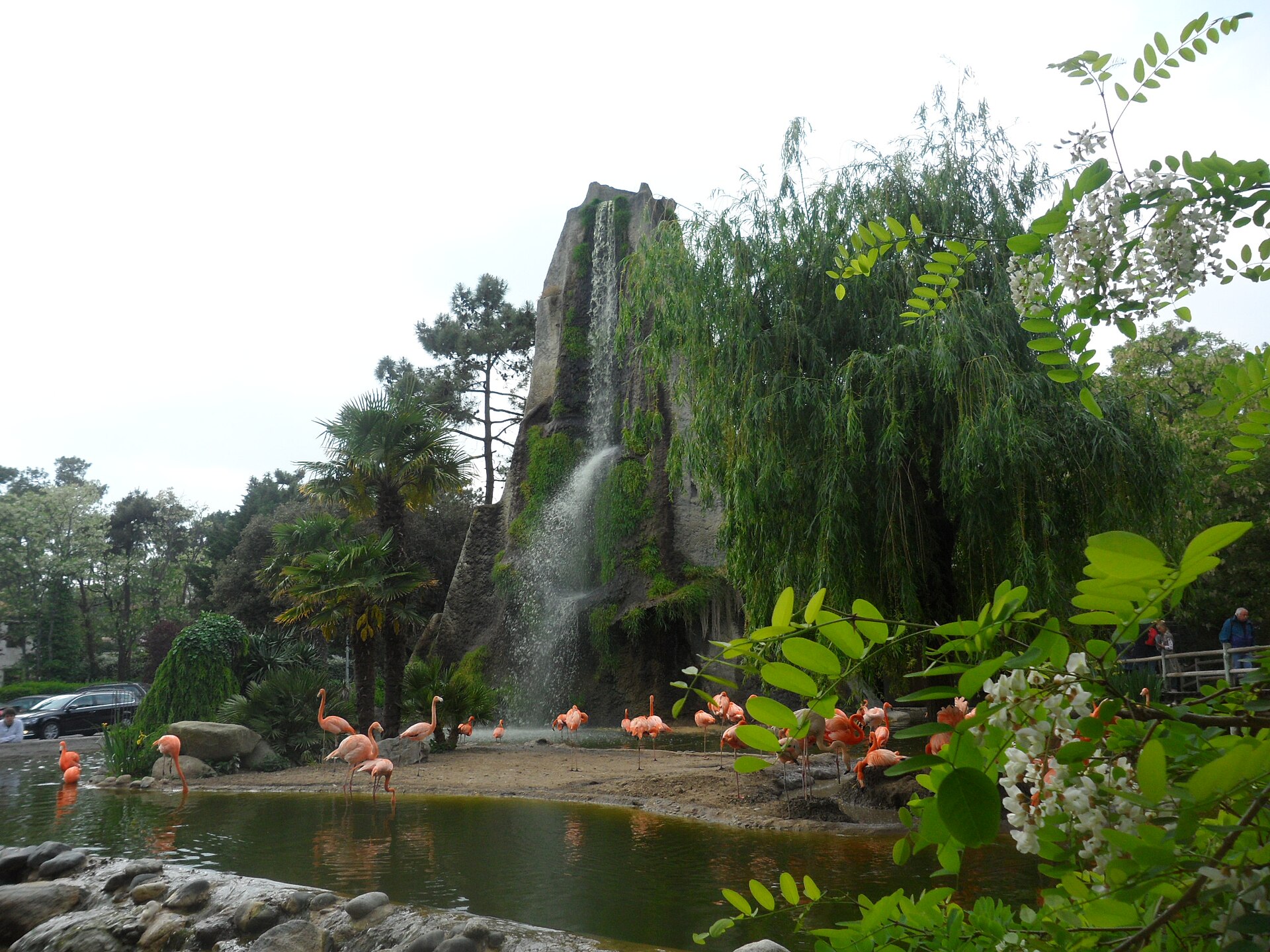
La Palmyre Zoo, located in Les Mathes, Charente-Maritime near Royan in southwestern France, is one of the country's most renowned zoological parks. Founded in 1966 by Claude Caillé, the zoo began with just 60 animals on three hectares and has since expanded to cover 18 hectares, including 14 hectares of landscaped gardens. Visitors can explore over 4 kilometers of pathways and observe more than 1,600 animals representing 145 species from around the world. The zoo is set in the scenic forest of la Coubre, offering a natural and immersive environment for both animals and guests. Over the decades, La Palmyre Zoo has become a major attraction, known for its commitment to animal care, innovative exhibits, and participation in international conservation efforts.
 #3
#3
Paris, France
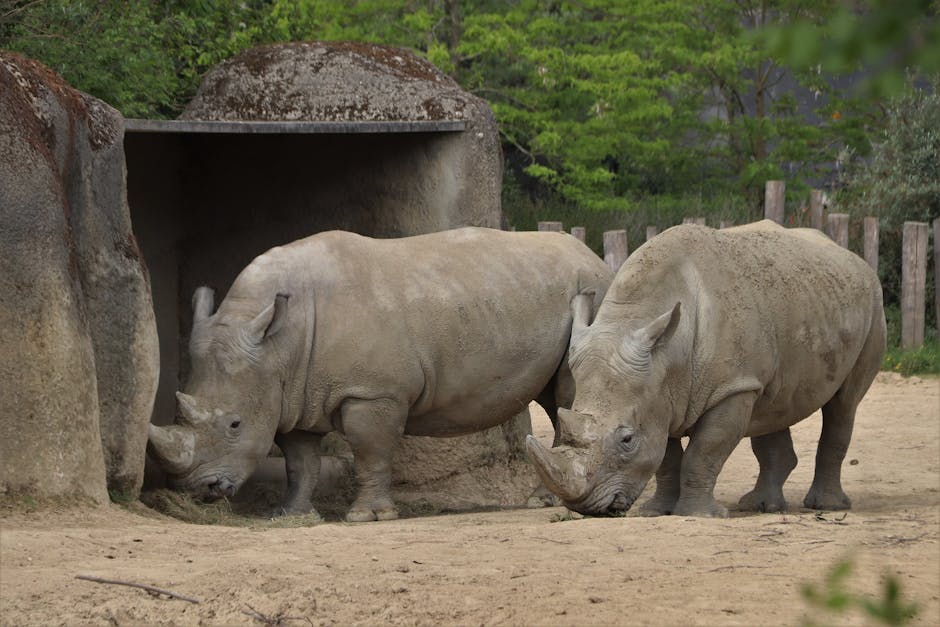
The Paris Zoological Park, also known as Parc zoologique de Paris or Vincennes Zoo, is a major zoological facility located in the 12th arrondissement of Paris. It was established in 1934 as a complement to the historic Ménagerie du Jardin des plantes, with a focus on providing animals with more suitable and naturalistic environments. The zoo is renowned for its iconic 65-meter-high artificial rock, known as the "Big Rock," which is a prominent feature visible from afar and a symbol of the park. Covering 14.5 hectares, the zoo houses around 1,000 animals representing 180 species, and includes a 4,000 square meter greenhouse simulating a tropical rainforest climate. After closing for extensive renovations from 2008 to 2014, the zoo reopened with modernized habitats grouped into five major natural environments, or biozones, designed to meet contemporary standards for animal welfare and visitor experience.

