The best zoos around the world where you can see Sika Deer.
 #1
#1
St. Gallen, Switzerland
Wildpark Peter and Paul is a wildlife park located in the city of St. Gallen, Switzerland, situated on a hilltop at Rotmonten on the eastern Rosenberg, 780 meters above sea level. The park is open year-round and offers free admission to all visitors. It is set in a scenic and varied natural landscape, with open green spaces alternating with wooded areas, providing a relaxing environment for walking and recreation. Visitors can enjoy beautiful views from various points in the park, overlooking the canton of Thurgau, Lake Constance, southern Germany, Vorarlberg, and the Alpstein mountains. The park features enclosures that blend seamlessly into the gently rolling terrain, housing native animals such as red deer, sika deer, fallow deer, chamois, ibex, marmots, wild boar, lynx, and wildcats. The ibex rocks are a landmark of the park, and the ibex is also featured in the park's logo. The park is wheelchair accessible, and dogs are allowed on a short leash. The Wildpark Restaurant complements the recreational and informational offerings with culinary options.
 #2
#2
Langnau im Emmental, Switzerland
Tierpark Langnau, officially known as Tierpark Langenberg, is part of the Wildnispark Zürich and is located in Langnau am Albis, near the cities of Zürich and Zug. The zoo specializes in native European wildlife, offering visitors the chance to encounter animals such as lynxes, which are bred and sometimes released into the wild to support conservation efforts. The park is known for its naturalistic enclosures and its commitment to providing animals with environments that closely resemble their natural habitats. Visitors can enjoy a variety of experiences, including guided tours, animal feeding demonstrations, and special events like brunches and safaris. The park is also involved in important conservation projects, such as the reintroduction of lynxes to help maintain healthy populations in Europe.
 #3
#3
Linz, Austria
Zoo Linz, also known as Tiergarten Linz, is located halfway up the Pöstlingberg hill, adjacent to the Urfahrwänd nature reserve, and offers visitors a stunning view of the city of Linz. The zoo is a scientifically managed, non-profit institution dedicated to the care and preservation of animal species, especially those threatened with extinction. Covering nearly 4 hectares, Zoo Linz is home to around 600 animals from approximately 100 different species, both exotic and native. Visitors can explore beautifully designed outdoor enclosures featuring animals such as meerkats, zebras, red pandas, antelopes, kangaroos, and parrots, as well as a modern tropical house for caimans, giant snakes, and monkeys. The zoo also features a 'House of Biodiversity' with many small exotic species, a petting area with dwarf goats, a rabbit tunnel, and an 'Alpine hut' with scenic views, making it a memorable experience for families.
 #4
#4
The Berlin Zoological Garden, known as Zoo Berlin, is the oldest zoo in Germany and one of the most visited in the country. Established 180 years ago, it has become a beloved institution for generations, evoking childhood memories and embracing modern developments. The zoo is renowned for its incredible diversity, being one of the most species-rich zoos in the world. Among its many residents are the only giant pandas in Germany, making it a unique attraction for visitors. Guests can expect a vibrant and diverse experience, reflecting the multicultural spirit of Berlin and offering close encounters with a wide variety of animals.
 #5
#5
Magdeburg, Germany
Magdeburg Zoo, officially known as Zoologischer Garten Magdeburg, is a well-established zoological garden located in Magdeburg, Germany. The zoo is home to 703 animals representing 177 different species, including many endangered and critically threatened species from around the world. Visitors can explore themed habitats that represent five continents, such as the expansive African savanna landscape and specialized houses for giraffes, chimpanzees, and mandrills. The zoo offers unique experiences like observing blood-breasted baboons on their rocky throne and getting up close to black rhinoceroses in a large, naturalistic enclosure. Families can enjoy two playgrounds for children, and the zoo regularly hosts special exhibitions and events, such as a tarantula display and concerts. Magdeburg Zoo is committed to species conservation, participating in breeding and reintroduction programs, and encourages visitors to support these efforts through initiatives like the 'Artenschutz-Euro'.
 #6
#6
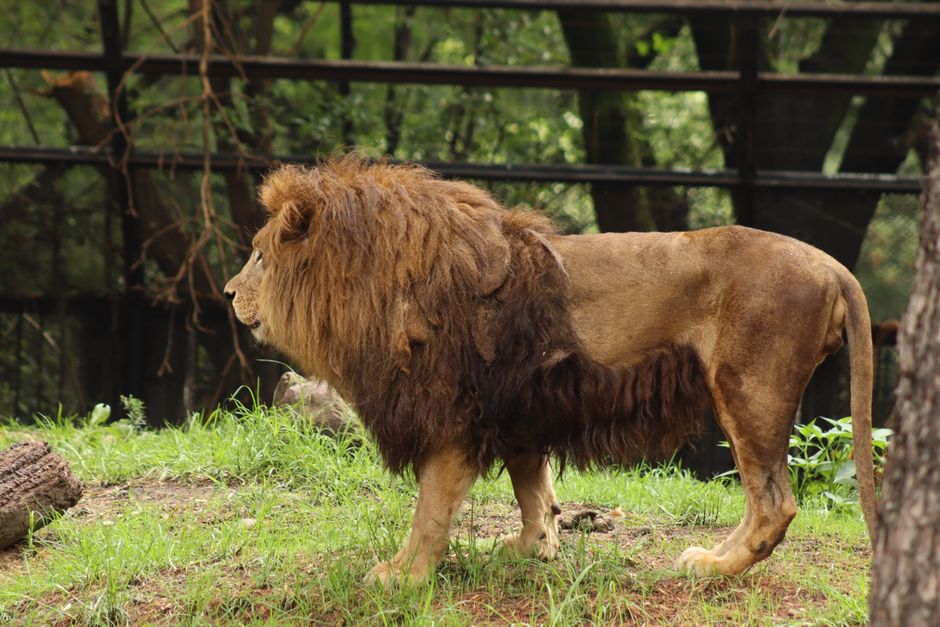
Mexico City, Mexico
Chapultepec Zoo, officially known as Zoológico de Chapultepec "Alfonso L. Herrera", is one of the most historic and renowned zoos in Mexico. It was founded on October 27, 1924, by the naturalist Alfonso Luis Herrera during the final days of President Álvaro Obregón's administration. The zoo is located in the first section of Chapultepec Park, a major urban green space in Mexico City. Visitors can expect to see around 2,000 animals, including the famous giant panda Xin Xin, who is the last surviving giant panda in Latin America and a direct descendant of the legendary panda Tohui. The zoo is a popular destination for both locals and tourists, offering free admission and a wide variety of wildlife habitats.

