All zoos in Italy where you can see Tortoise Aldabra.
 #1
#1
Bardolino, Italy
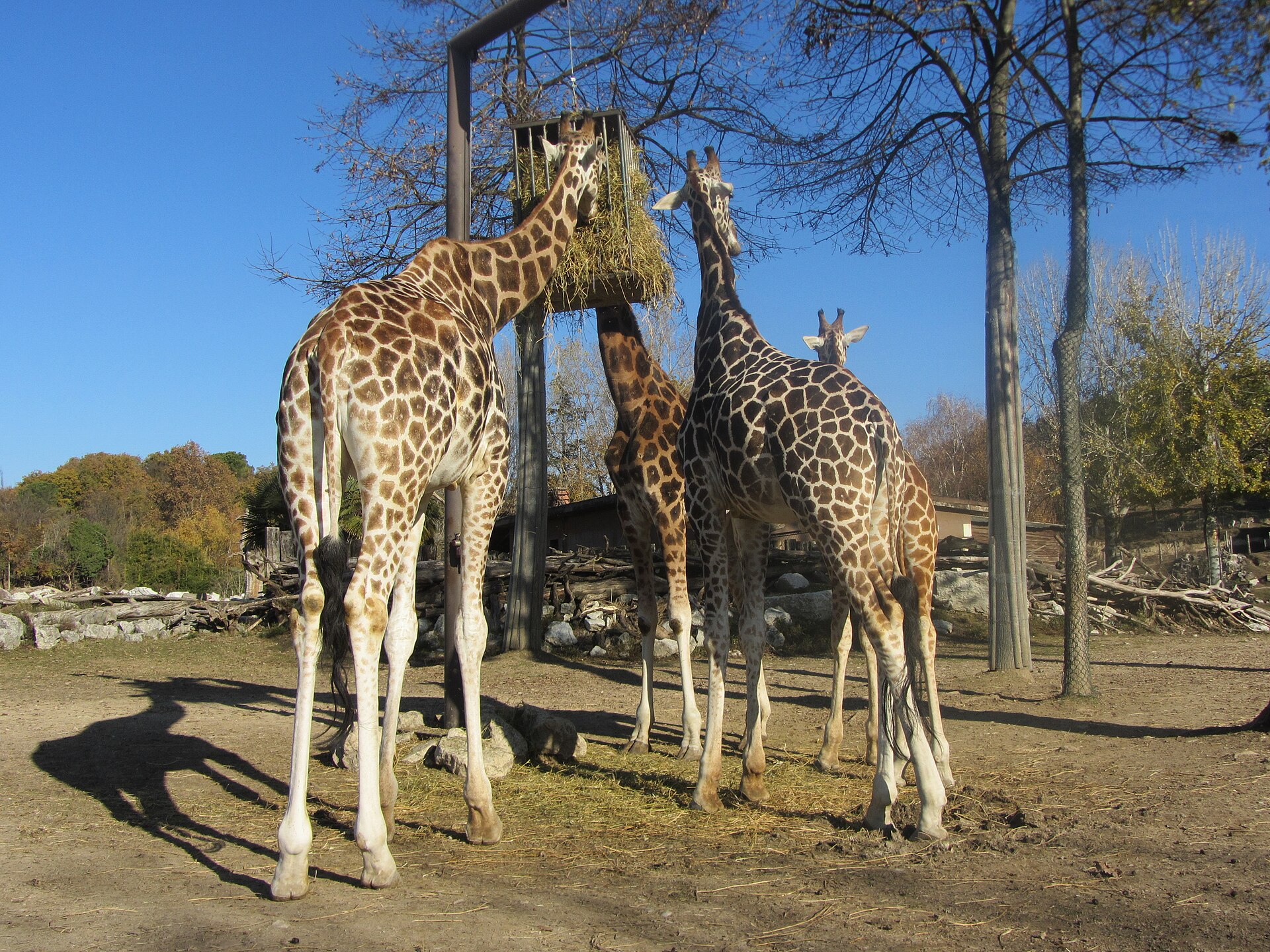
Parco Natura Viva is the largest zoo in Italy, offering visitors an immersive journey across five continents. Established as a modern zoological park, it is home to over 1,500 animals representing more than 200 species from around the world. The zoo features both a safari experience, where guests can drive their own car or take a guided Safari Bus to observe African wildlife, and a pedestrian path through lush oak forests and diverse habitats. Unique attractions include the House of Dragon, showcasing rare reptiles, and the Jurassic Adventure, which brings extinct giants like dinosaurs to life. Visitors can also enjoy daily expert talks, interactive experiences such as feeding meerkats, and a variety of themed events throughout the year.
 #2
#2
Lignano Sabbiadoro, Italy
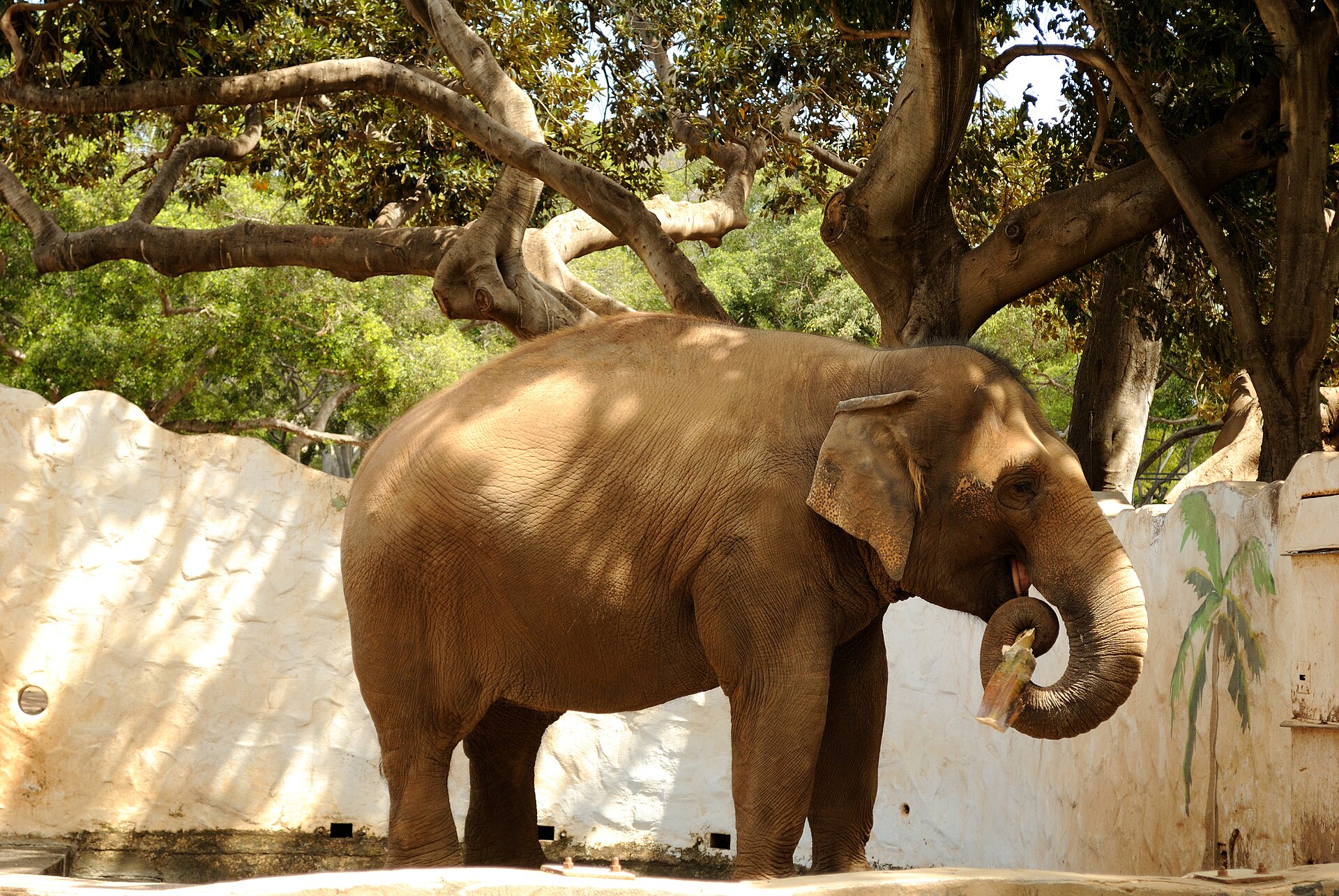
Parco Zoo Punta Verde is a zoological park located in Italy, offering visitors the chance to experience close encounters with a variety of animal species. The zoo is known for its unique interactive experiences, such as feeding sessions with tortoises and up-close meetings with sloths and giraffes. Visitors can expect a family-friendly environment with educational opportunities and engaging activities designed to foster a deeper understanding of wildlife. The zoo regularly hosts special events and themed days, making each visit unique and memorable. Parco Zoo Punta Verde aims to provide both entertainment and education, making it a popular destination for animal lovers and families.
 #3
#3
Rome, Italy
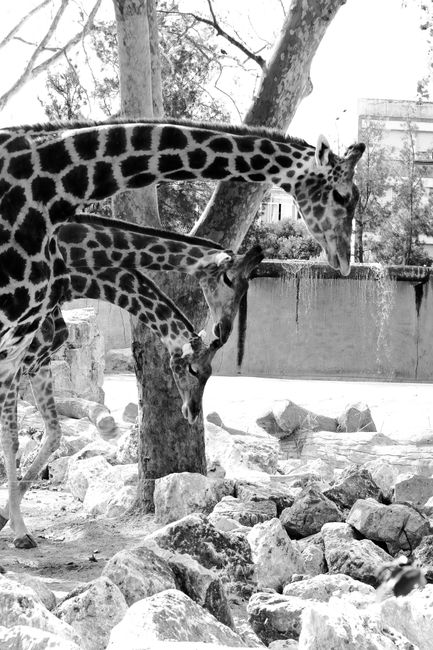
Bioparco di Roma is a 17-hectare zoological garden located within the historic Villa Borghese estate in Rome, Italy. Established in 1911, it is the oldest zoo in Italy and was originally designed to entertain and amuse the public, rather than serve purely scientific purposes. The zoo was conceived by Carl Hagenbeck, who pioneered the use of ditches and pits instead of bars, creating more naturalistic enclosures for the animals. Over the years, Bioparco di Roma has expanded and renovated its facilities, including the addition of a large aviary and a reptile house. Today, visitors can expect to see over 1,100 animals representing more than 220 species, including mammals, birds, and reptiles, in a lush, green setting.

