The best zoos around the world where you can see Red Deer.
 #1
#1
Leipzig, Germany
Leipzig Zoological Garden, located in the heart of Leipzig, offers visitors the chance to explore a fascinating wilderness within the city. The zoo is renowned for its diverse range of animal species and its naturalistic habitats, which are spread across six exciting themed worlds. Open 365 days a year, guests can embark on discovery tours and learn about the importance of nature and species conservation. The zoo regularly hosts special events, evening experiences, and cultural activities, making it a vibrant destination for families and animal enthusiasts alike. Visitors can also support the zoo's mission through sponsorships, donations, or animal adoptions, contributing to the well-being of both resident and endangered animals worldwide.
 #2
#2
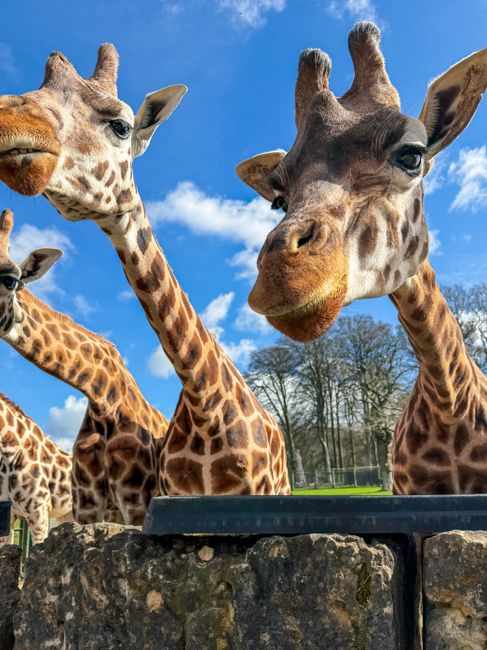
Warminster, United Kingdom of Great Britain and Northern Ireland
Longleat Safari and Adventure Park, located in Wiltshire, England, is renowned as the world's first drive-through safari park outside Africa, having opened its gates in 1966. Set within the historic grounds of Longleat House, the ancestral home of the Marquess of Bath, the park offers a unique blend of wildlife encounters and stately home experiences. Visitors can explore a variety of themed reserves and attractions, including the East African Reserve, Jungle Cruise, Monkey Temple, and the only Koala Creek in England. The park is home to a diverse array of animals, from Rothschild's giraffes and southern koalas to black wildebeest and giant otters. Longleat has also gained media attention through several documentaries and is notable for its innovative approach to animal exhibits and visitor engagement.
 #3
#3
St. Gallen, Switzerland
Wildpark Peter and Paul is a wildlife park located in the city of St. Gallen, Switzerland, situated on a hilltop at Rotmonten on the eastern Rosenberg, 780 meters above sea level. The park is open year-round and offers free admission to all visitors. It is set in a scenic and varied natural landscape, with open green spaces alternating with wooded areas, providing a relaxing environment for walking and recreation. Visitors can enjoy beautiful views from various points in the park, overlooking the canton of Thurgau, Lake Constance, southern Germany, Vorarlberg, and the Alpstein mountains. The park features enclosures that blend seamlessly into the gently rolling terrain, housing native animals such as red deer, sika deer, fallow deer, chamois, ibex, marmots, wild boar, lynx, and wildcats. The ibex rocks are a landmark of the park, and the ibex is also featured in the park's logo. The park is wheelchair accessible, and dogs are allowed on a short leash. The Wildpark Restaurant complements the recreational and informational offerings with culinary options.
 #4
#4
Langnau im Emmental, Switzerland
Tierpark Langnau, officially known as Tierpark Langenberg, is part of the Wildnispark Zürich and is located in Langnau am Albis, near the cities of Zürich and Zug. The zoo specializes in native European wildlife, offering visitors the chance to encounter animals such as lynxes, which are bred and sometimes released into the wild to support conservation efforts. The park is known for its naturalistic enclosures and its commitment to providing animals with environments that closely resemble their natural habitats. Visitors can enjoy a variety of experiences, including guided tours, animal feeding demonstrations, and special events like brunches and safaris. The park is also involved in important conservation projects, such as the reintroduction of lynxes to help maintain healthy populations in Europe.
 #5
#5
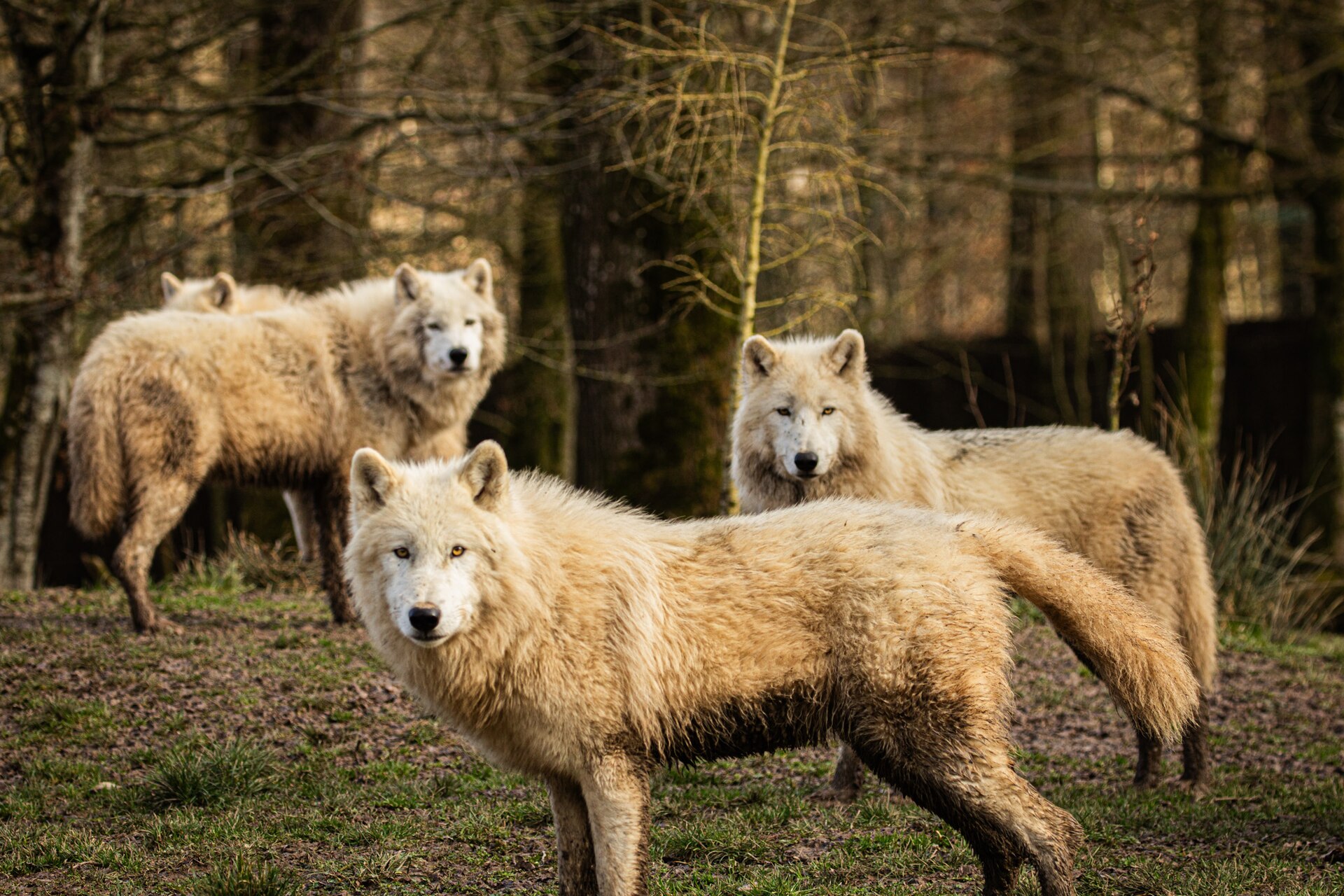
Rhodes, France
Parc Animalier de Sainte-Croix is a wildlife park located in the heart of 130 hectares of preserved nature in France. Established over 45 years ago, the park is dedicated to showcasing European wildlife and global biodiversity. Visitors can explore five distinct zones, each offering encounters with more than 1,500 animals from 130 different species living in semi-liberty. The park is renowned for its immersive experiences, such as nighttime wolf howling adventures and unique dining opportunities facing white wolf packs. Sainte-Croix also offers eco-labeled nature lodges, allowing guests to stay overnight close to the animals. Each year, the park welcomes over 360,000 visitors and plays a significant role in public education and biodiversity conservation.
 #6
#6
Lisbon, Portugal
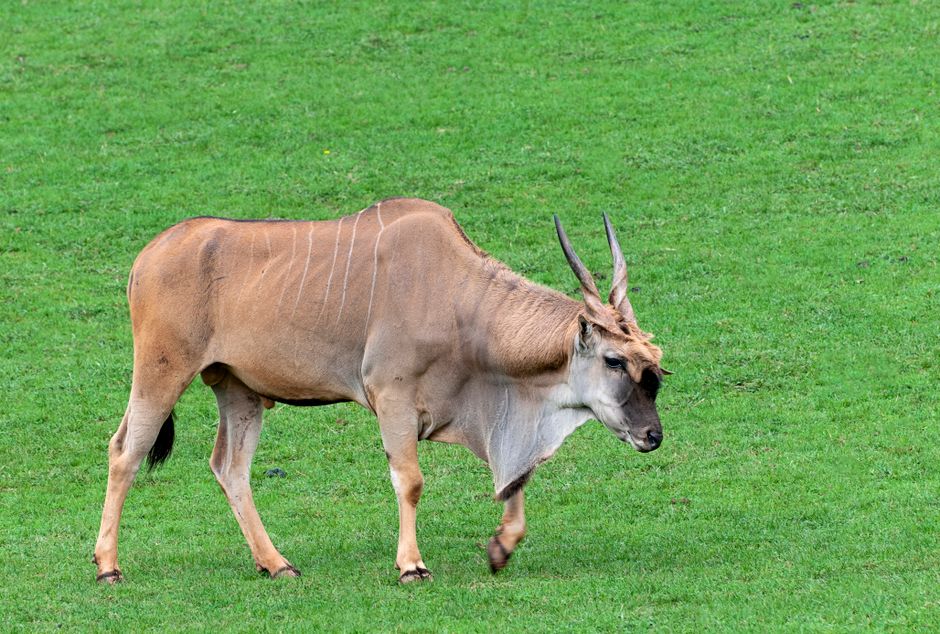
Lisbon Zoo, officially known as Jardim Zoológico, was inaugurated in 1884 and is one of the oldest zoos in Europe. Located in Lisbon, Portugal, the zoo has a long-standing mission to develop and promote an excellent zoological and botanical park. It serves as a center for the conservation of vulnerable and endangered species, combining scientific research, environmental enrichment programs, and educational initiatives. Visitors can expect to see a diverse collection of animals, including recent additions like young Siberian tigers and a newborn chimpanzee. The zoo offers a variety of attractions and activities for all ages, making it a popular destination for families and animal enthusiasts.
 #7
#7
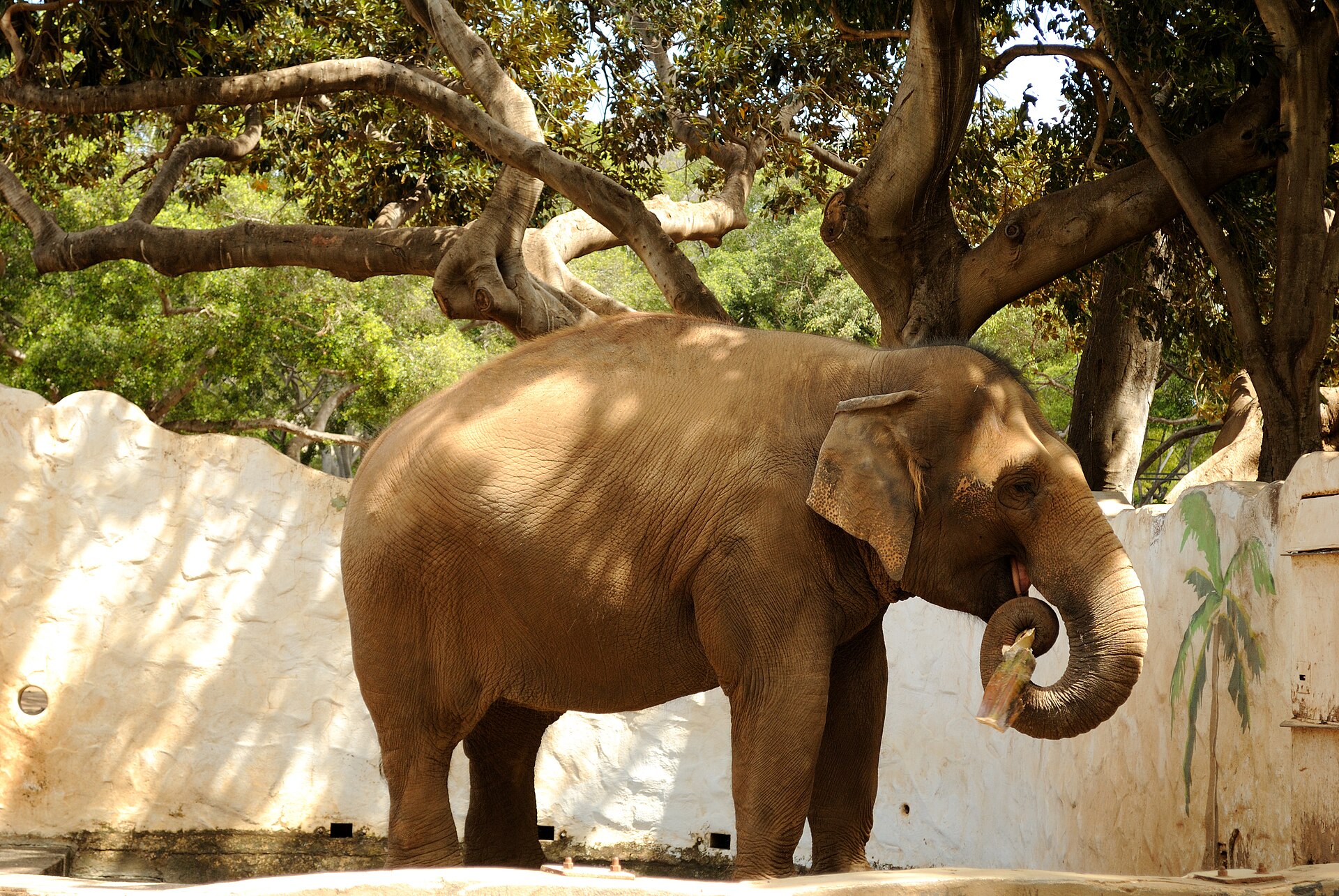
Cabárceno, Spain
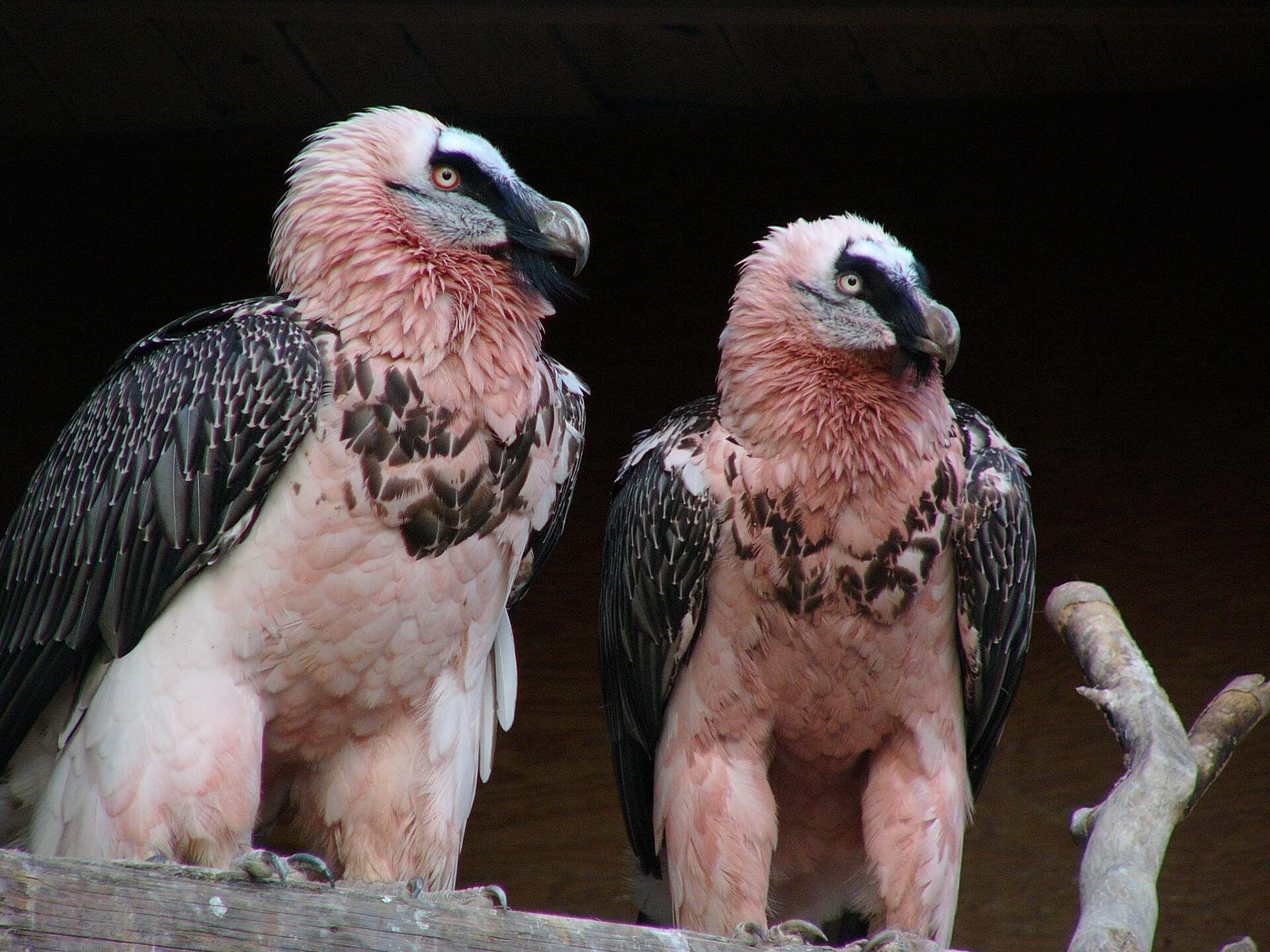
Cabárceno Natural Park, located near Santander in Cantabria, Spain, is a unique wildlife park set in a former open-pit mining area. Established on the site of an old iron mine, the park has been transformed into a vast natural reserve where over 120 animal species from five continents live in semi-freedom. Unlike traditional zoos, animals at Cabárceno inhabit large enclosures that closely resemble their natural habitats, allowing for more natural behaviors and interactions. Visitors can explore the park by car or on foot, following a network of roads and paths that wind through dramatic landscapes of rocky outcrops, lakes, and meadows. The park is renowned for its commitment to conservation and breeding programs, and it regularly hosts educational and scientific events. Guests can expect a memorable experience observing animals such as elephants, gorillas, rhinos, and exotic birds in a setting that blends nature, history, and wildlife.
 #8
#8
Cerny, Switzerland
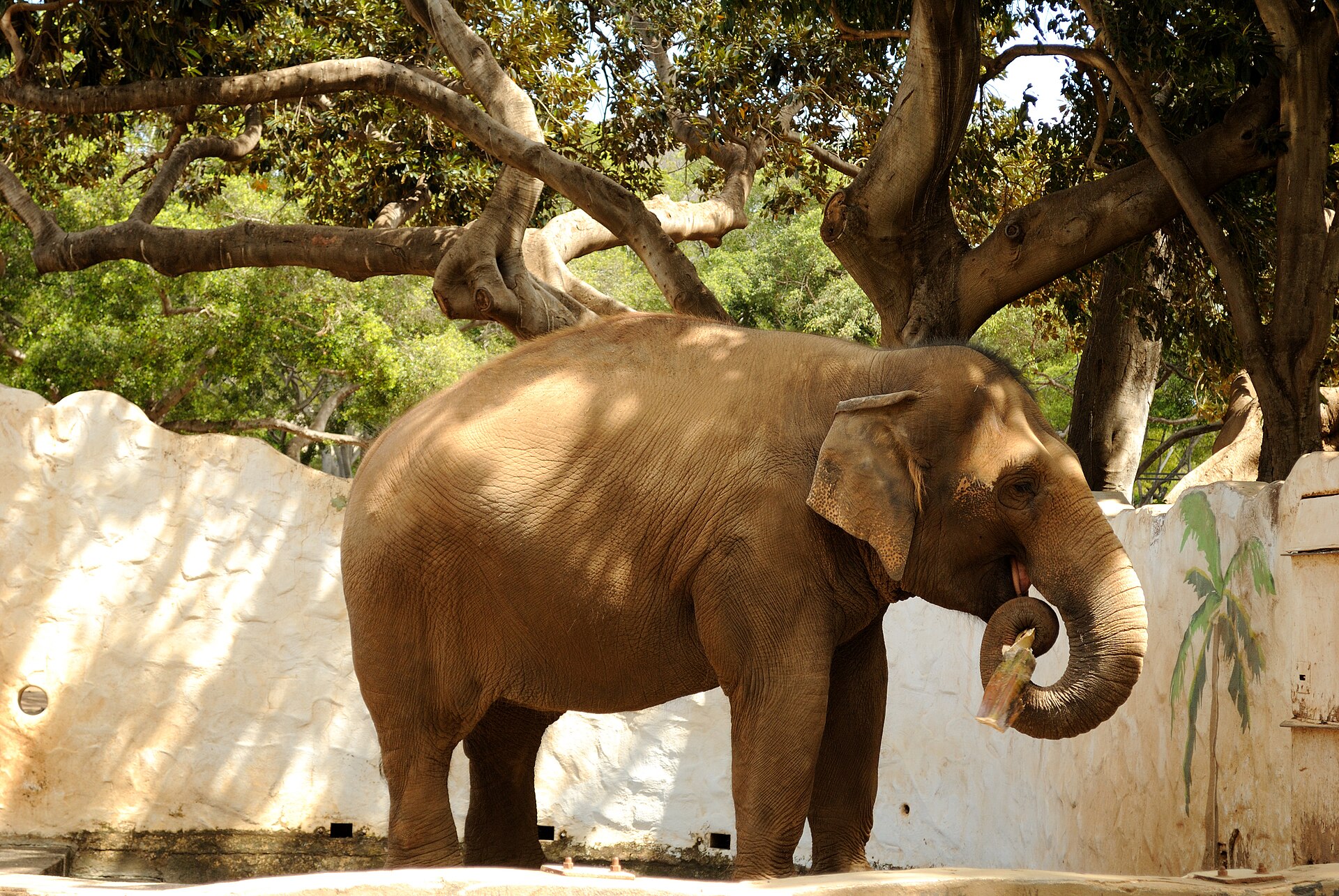
Zoo La Garenne, located in Le Vaud, Switzerland, is a wildlife park dedicated to the conservation and rehabilitation of native Swiss fauna. Established in 1965, the zoo has a long-standing history of caring for wild animals in distress and helping rare species to reproduce. Visitors can expect to see a wide variety of animals native to Switzerland, learn about local biodiversity, and witness the important work of the zoo's wildlife hospital. The park offers immersive experiences, educational workshops, and special events throughout the year, making it a popular destination for families and nature enthusiasts. In addition to animal exhibits, La Garenne features a playground, a restaurant serving local cuisine, and a boutique with regional crafts and souvenirs.
 #9
#9
Morelia, Mexico
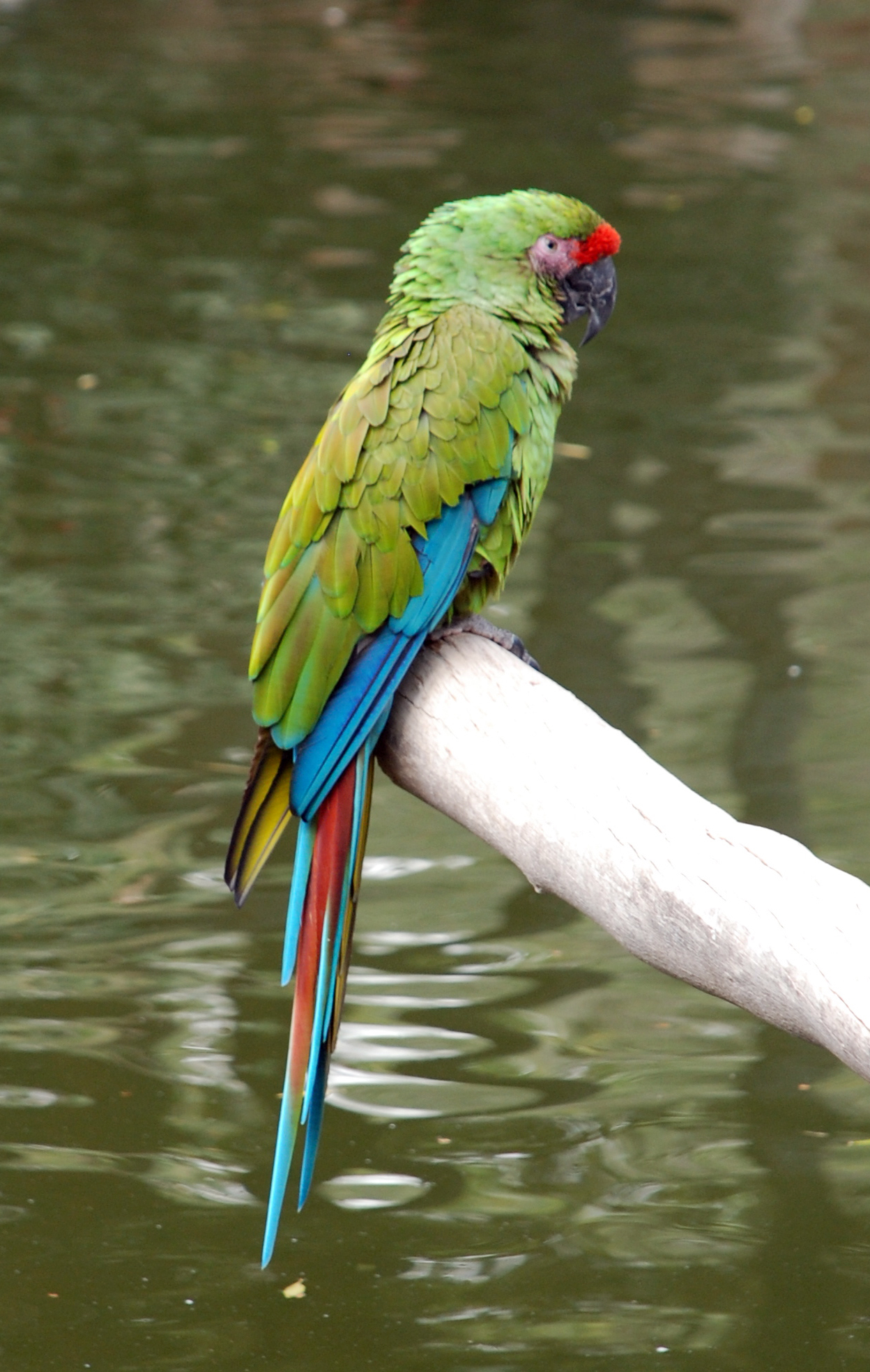
Zoológico de Morelia, officially known as Parque Zoológico Benito Juárez, is recognized as the first 'Living Museum' in Mexico and is considered one of the most important zoos in Latin America. Located in the city of Morelia, Michoacán, the zoo houses a diverse collection of animals from all continents, with a strong emphasis on the care, conservation, and protection of both flora and fauna. Visitors can expect to see over 2,000 animals representing hundreds of species, including recent additions such as Indian bisons and newborn antelopes. The zoo is also a pioneer in air purification initiatives, demonstrating its commitment to environmental innovation. With more than 700,000 visitors annually, the zoo offers a vibrant and educational experience for families and wildlife enthusiasts alike.
 #10
#10
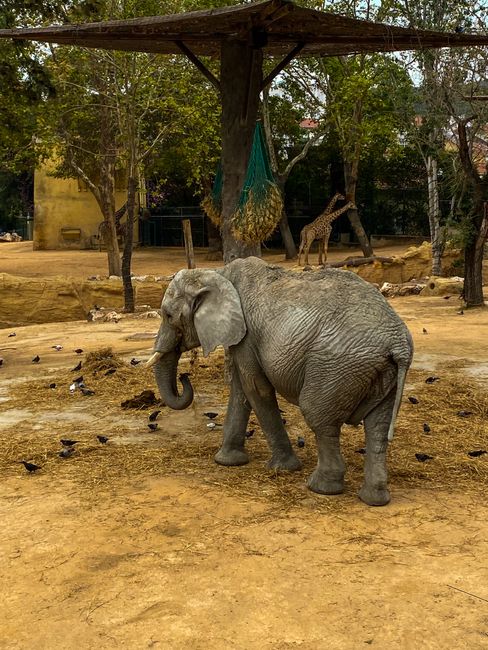
San Martín de la Vega, Spain
Safari Park Madrid, located in Aldea del Fresno near Madrid, is a unique wildlife park where visitors can observe a wide variety of animals in semi-freedom from the comfort of their own vehicles. Established in 1978, the park was inaugurated by the renowned naturalist Dr. Félix Rodríguez de la Fuente. It is known for being the first place in Spain, and likely in Europe, to offer a free-flight bird of prey exhibition. The park features large mammals such as rhinos, giraffes, elephants, hippos, zebras, bison, black bears, baboons, lions, and tigers, as well as a diverse collection of birds and reptiles. Visitors can also enjoy additional attractions like mega-slides, a bouncy castle, and a swimming pool during the summer months. The park serves as a rescue center for animals confiscated from illegal trafficking or invasive species, providing them with a safe and educational environment.

