All zoos in Europe where you can see Iberian Wolf.
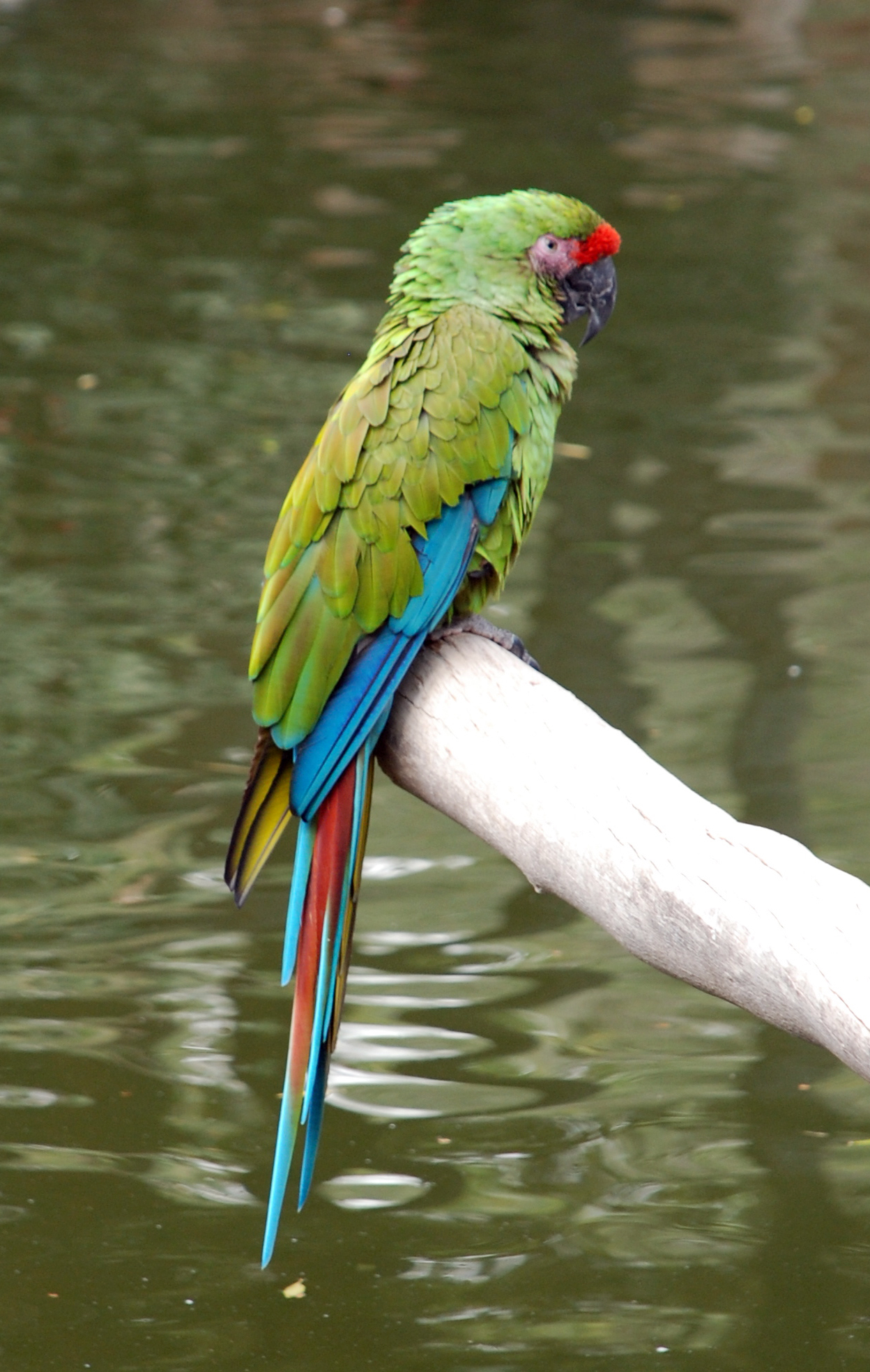 #1
#1
San Martín de la Vega, Spain
Safari Park Madrid, located in Aldea del Fresno near Madrid, is a unique wildlife park where visitors can observe a wide variety of animals in semi-freedom from the comfort of their own vehicles. Established in 1978, the park was inaugurated by the renowned naturalist Dr. Félix Rodríguez de la Fuente. It is known for being the first place in Spain, and likely in Europe, to offer a free-flight bird of prey exhibition. The park features large mammals such as rhinos, giraffes, elephants, hippos, zebras, bison, black bears, baboons, lions, and tigers, as well as a diverse collection of birds and reptiles. Visitors can also enjoy additional attractions like mega-slides, a bouncy castle, and a swimming pool during the summer months. The park serves as a rescue center for animals confiscated from illegal trafficking or invasive species, providing them with a safe and educational environment.
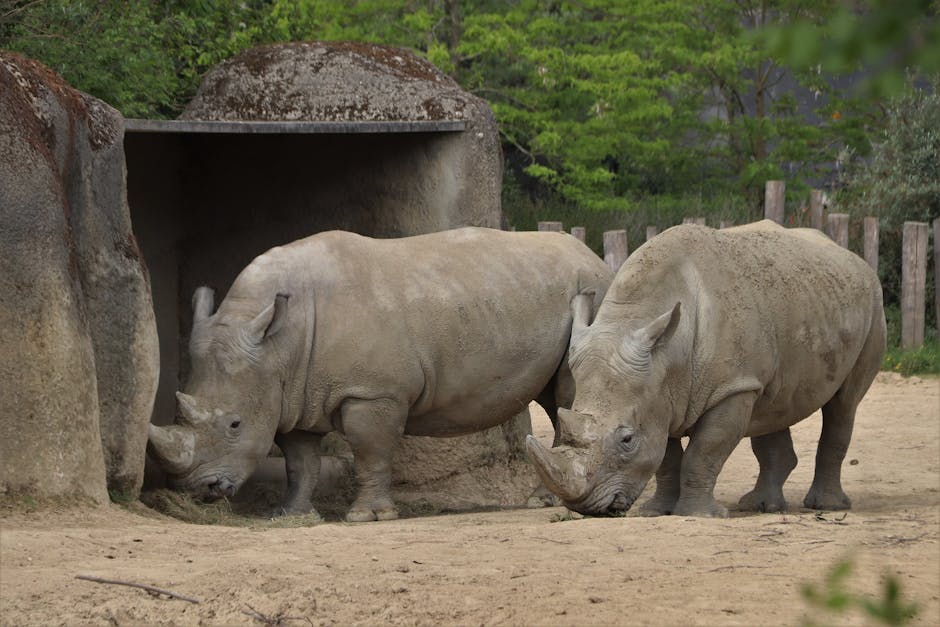 #3
#3
Paris, France
The Paris Zoological Park, also known as Parc zoologique de Paris or Vincennes Zoo, is a major zoological facility located in the 12th arrondissement of Paris. It was established in 1934 as a complement to the historic Ménagerie du Jardin des plantes, with a focus on providing animals with more suitable and naturalistic environments. The zoo is renowned for its iconic 65-meter-high artificial rock, known as the "Big Rock," which is a prominent feature visible from afar and a symbol of the park. Covering 14.5 hectares, the zoo houses around 1,000 animals representing 180 species, and includes a 4,000 square meter greenhouse simulating a tropical rainforest climate. After closing for extensive renovations from 2008 to 2014, the zoo reopened with modernized habitats grouped into five major natural environments, or biozones, designed to meet contemporary standards for animal welfare and visitor experience.
 #4
#4
Córdoba, Spain
Zoo de la Ciudad de Córdoba, officially known as Centro de Conservación Zoo Córdoba, is one of the earliest zoos established in Spain. It began as a small zoo of 8,000 square meters in June 1967 and was officially inaugurated on May 15, 1968, coinciding with the first Congress of the Iberian Union of Zoos. Over the years, it has evolved into a conservation center spanning just over 4.5 hectares. The zoo is home to more than 500 animals representing over 100 different species, including mammals, birds, and reptiles. Visitors can expect to see a diverse collection of fauna from Africa, America, Asia, Australia, and Europe, as well as native Iberian species. The zoo is dedicated to scientific research, species conservation, and environmental education, making it a significant institution for wildlife preservation in the region.

