The best zoos around the world where you can see Buff-cheeked Gibbon.
 #1
#1
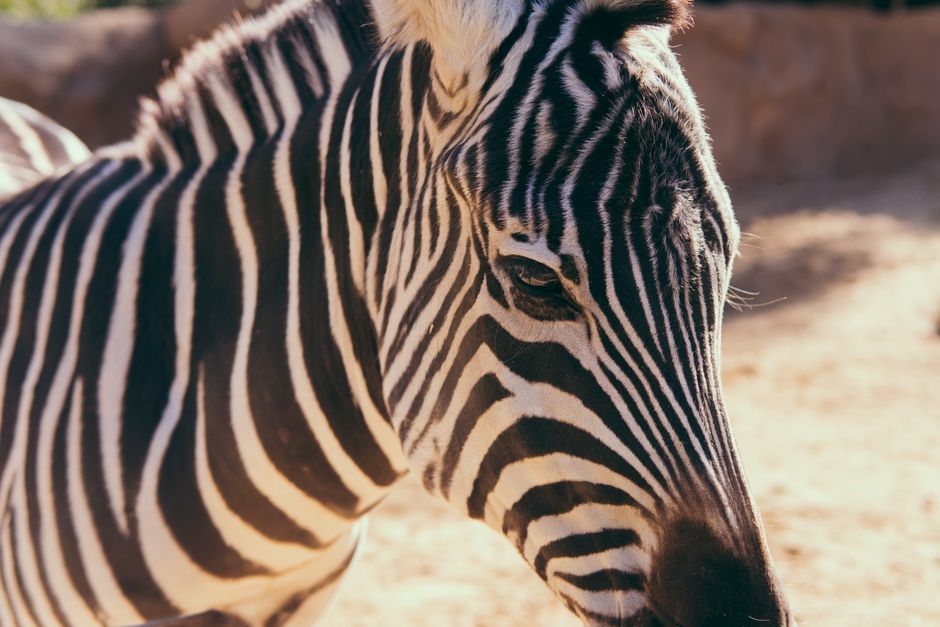
San Diego, United States of America
The San Diego Zoo is one of the most famous zoos in the world, located in Balboa Park, just minutes from downtown San Diego, California. It is operated by the San Diego Zoo Wildlife Alliance, an international nonprofit conservation organization. The zoo offers visitors the chance to explore a wide variety of habitats from around the world and features innovative nature play areas, such as the Denny Sanford Wildlife Explorers Basecamp. Guests can enjoy unique wildlife encounters, live animal cameras, and a range of upgraded experiences, including VIP tours and special wildlife adventures. The San Diego Zoo is renowned for its commitment to animal care, immersive exhibits, and providing educational and interactive experiences for visitors of all ages.
 #9
#9
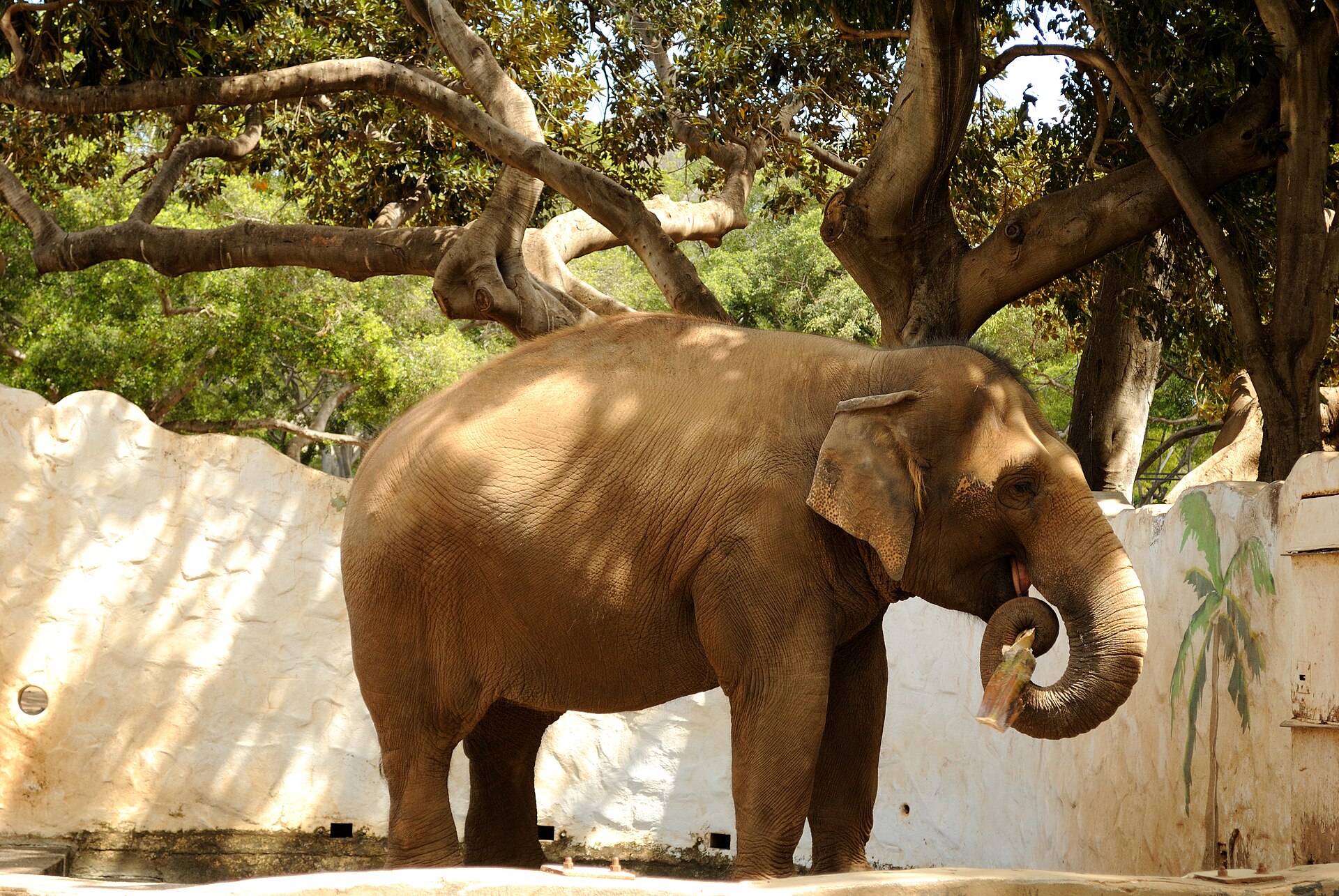
Gdansk, Poland
Gdansk Zoo, officially known as Ogród Zoologiczny w Gda?sku, is a prominent zoological garden located in Gda?sk, Poland. Established in 1954, the zoo spans approximately 125 hectares, making it one of the largest zoos in the country by area. It is home to animals from all continents, offering visitors the chance to see a diverse range of species in spacious, naturalistic enclosures. The zoo is a member of the European Association of Zoos and Aquaria (EAZA), which allows it to participate in over 50 European breeding programs for endangered species. Visitors can expect a year-round experience with educational and recreational packages, as well as opportunities to learn about conservation and animal care.
 #10
#10
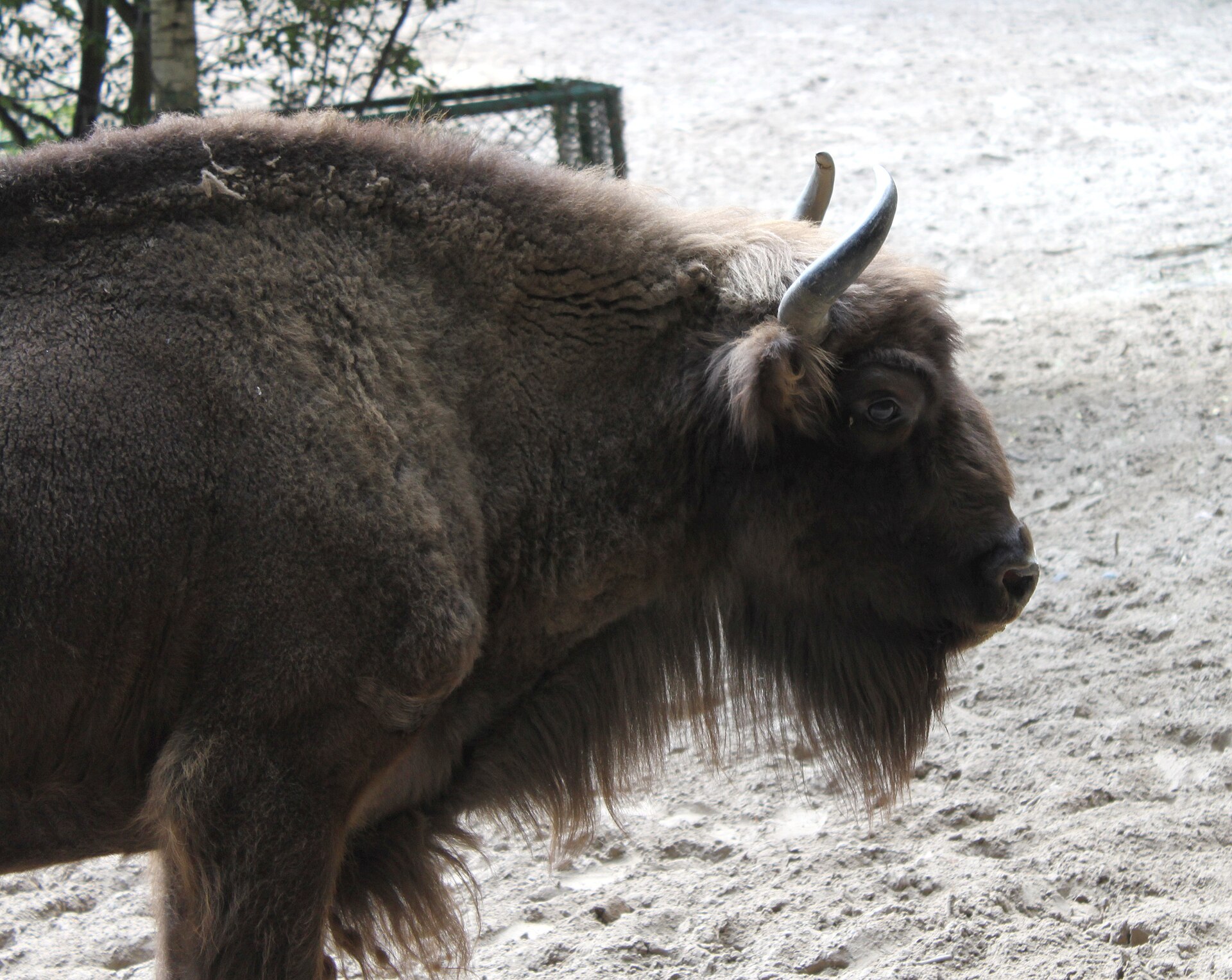
Gda?sk, Poland
The Zoological Garden in Gda?sk, established in 1954, is a prominent zoo located in northern Poland. Spanning approximately 125 hectares, it is home to animals from all continents, offering visitors a diverse and immersive wildlife experience. The zoo houses 164 species and a total of 868 individual animals, making it one of the largest zoological collections in the region. As a member of the European Association of Zoos and Aquaria (EAZA), the Gda?sk Zoo actively participates in over 50 European breeding programs for endangered species. Visitors can expect well-maintained habitats, educational programs, and opportunities to observe rare and exotic animals throughout the year.
 #11
#11
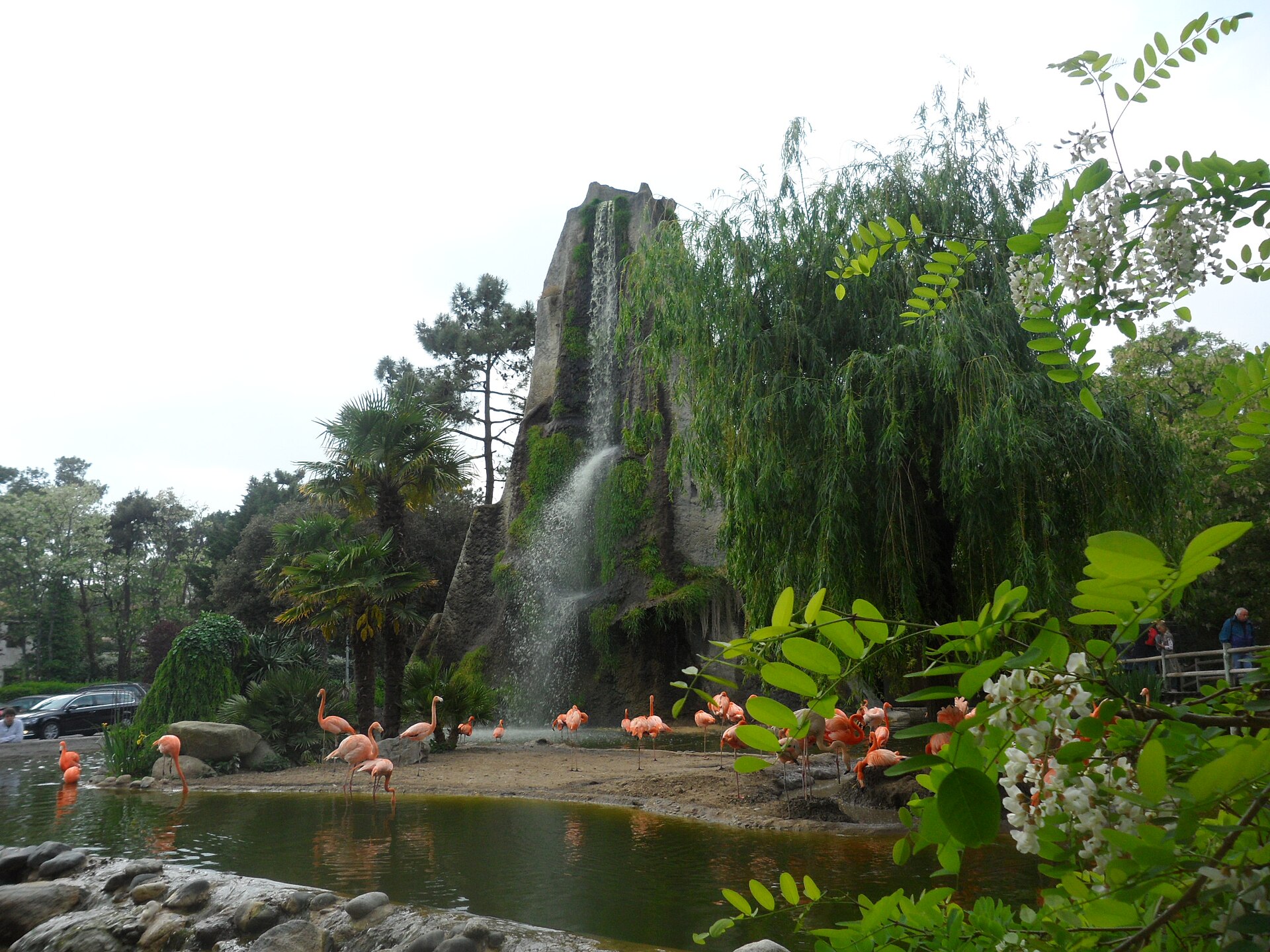
Les Mathes, France
La Palmyre Zoo, located in Les Mathes, Charente-Maritime near Royan in southwestern France, is one of the country's most renowned zoological parks. Founded in 1966 by Claude Caillé, the zoo began with just 60 animals on three hectares and has since expanded to cover 18 hectares, including 14 hectares of landscaped gardens. Visitors can explore over 4 kilometers of pathways and observe more than 1,600 animals representing 145 species from around the world. The zoo is set in the scenic forest of la Coubre, offering a natural and immersive environment for both animals and guests. Over the decades, La Palmyre Zoo has become a major attraction, known for its commitment to animal care, innovative exhibits, and participation in international conservation efforts.
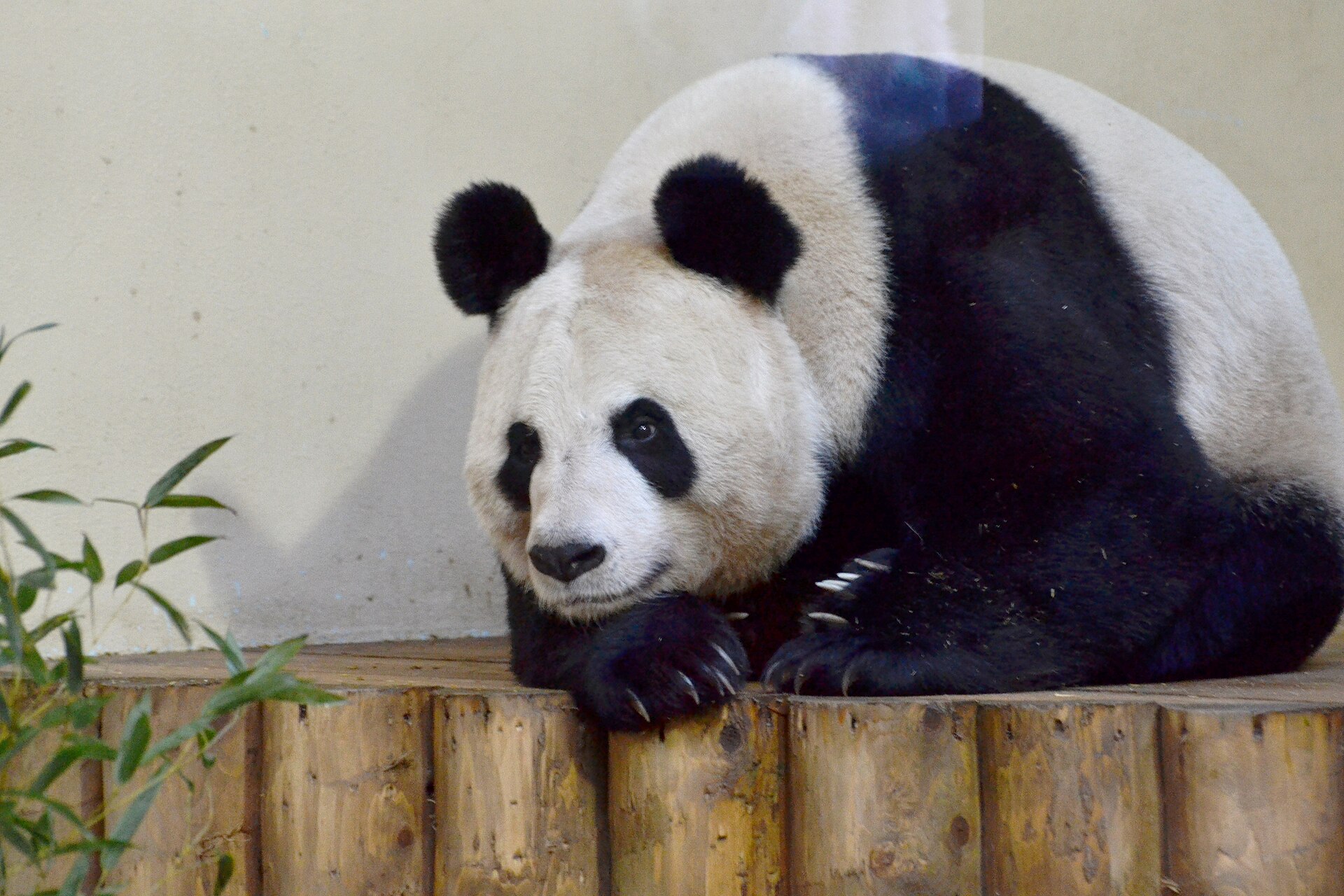 #12
#12
Edinburgh, United Kingdom of Great Britain and Northern Ireland
Edinburgh Zoo is home to the Royal Zoological Society of Scotland (RZSS) and houses over 2,500 animals from around the world. The zoo serves as a gateway to the natural world, offering visitors the chance to experience nature up close and learn about the challenges facing wildlife today. Established as a wildlife conservation charity, Edinburgh Zoo is actively involved in efforts to save animals from extinction, both locally in Scotland and globally. Visitors can expect a variety of engaging experiences, including opportunities to meet animals, participate in events, and learn about conservation initiatives. The zoo is committed to creating deeper connections with nature for more than a million people and aims to reverse the decline of at least 50 species by 2030.

