The best zoos around the world where you can see European Bison.
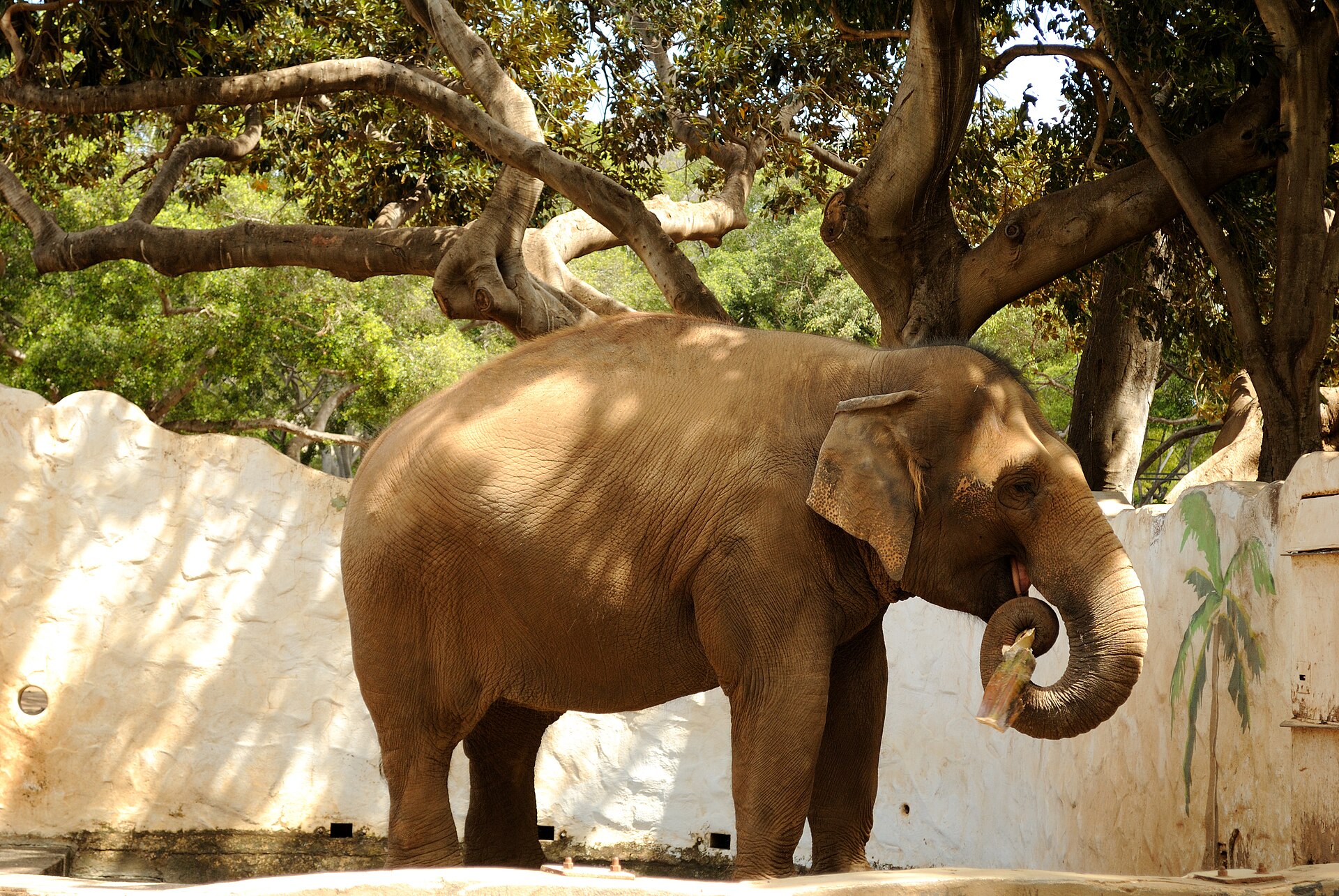 #1
#1
Langnau im Emmental, Switzerland
Tierpark Langnau, officially known as Tierpark Langenberg, is part of the Wildnispark Zürich and is located in Langnau am Albis, near the cities of Zürich and Zug. The zoo specializes in native European wildlife, offering visitors the chance to encounter animals such as lynxes, which are bred and sometimes released into the wild to support conservation efforts. The park is known for its naturalistic enclosures and its commitment to providing animals with environments that closely resemble their natural habitats. Visitors can enjoy a variety of experiences, including guided tours, animal feeding demonstrations, and special events like brunches and safaris. The park is also involved in important conservation projects, such as the reintroduction of lynxes to help maintain healthy populations in Europe.
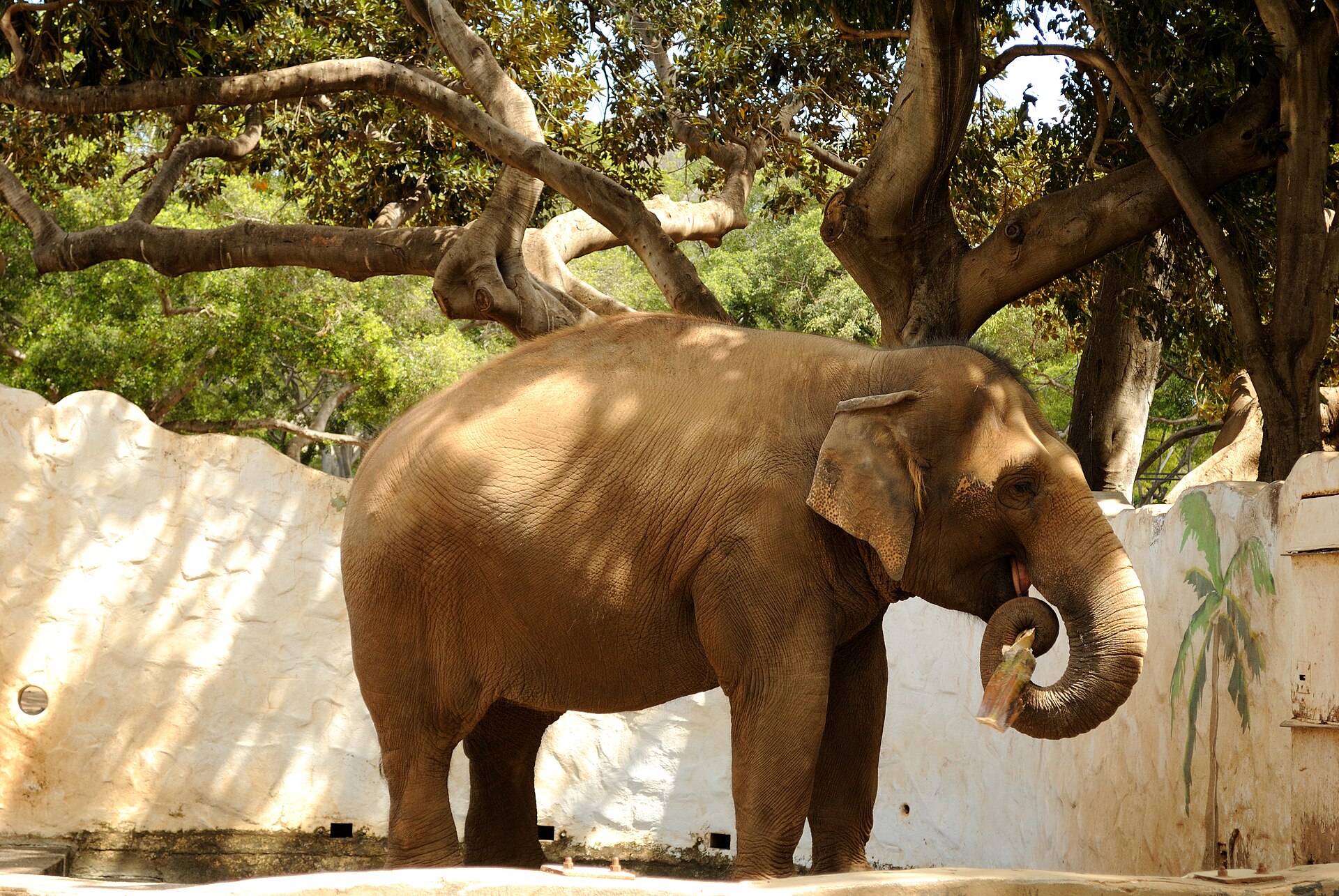 #2
#2
Gdansk, Poland
Gdansk Zoo, officially known as Ogród Zoologiczny w Gda?sku, is a prominent zoological garden located in Gda?sk, Poland. Established in 1954, the zoo spans approximately 125 hectares, making it one of the largest zoos in the country by area. It is home to animals from all continents, offering visitors the chance to see a diverse range of species in spacious, naturalistic enclosures. The zoo is a member of the European Association of Zoos and Aquaria (EAZA), which allows it to participate in over 50 European breeding programs for endangered species. Visitors can expect a year-round experience with educational and recreational packages, as well as opportunities to learn about conservation and animal care.
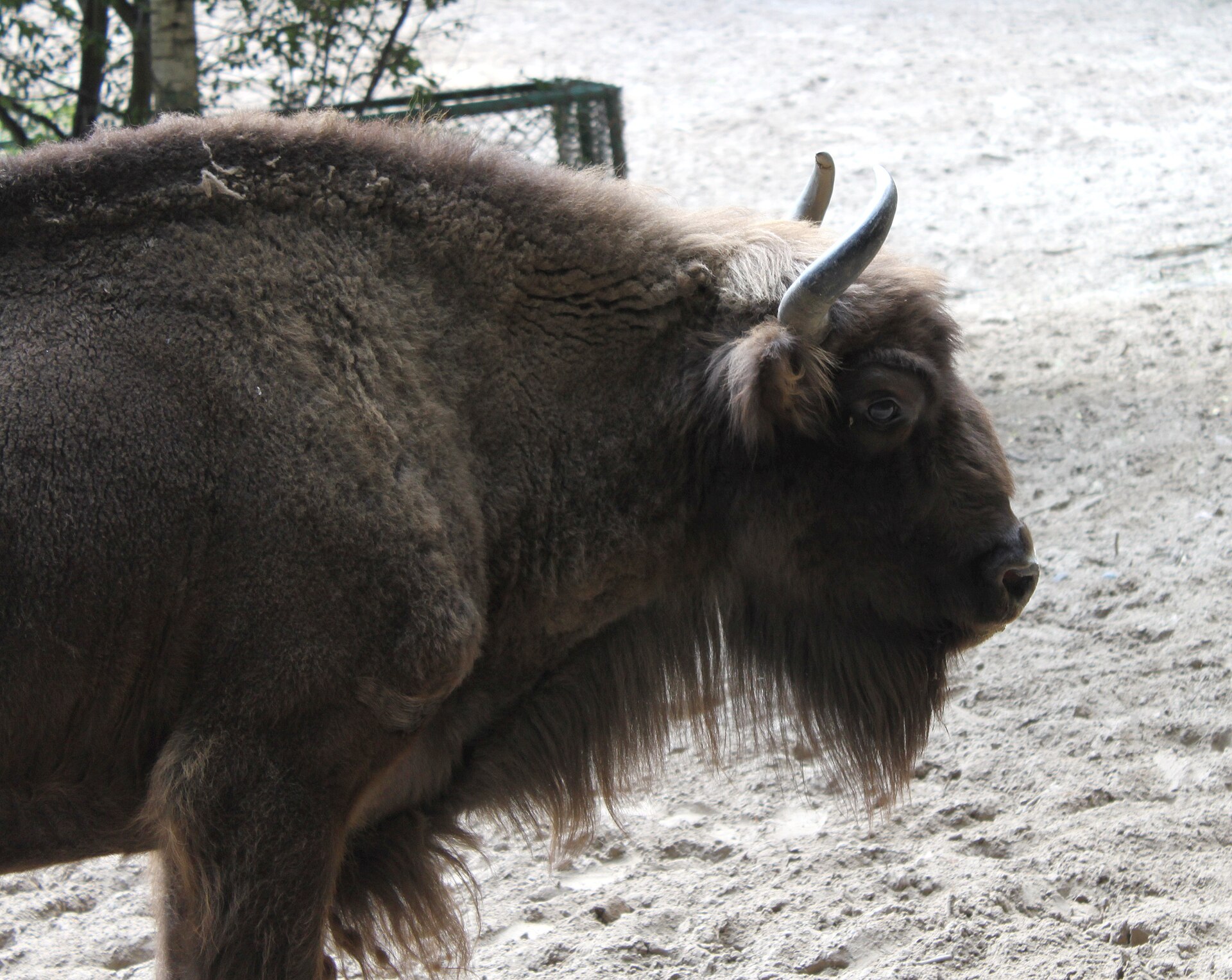 #3
#3
Gda?sk, Poland
The Zoological Garden in Gda?sk, established in 1954, is a prominent zoo located in northern Poland. Spanning approximately 125 hectares, it is home to animals from all continents, offering visitors a diverse and immersive wildlife experience. The zoo houses 164 species and a total of 868 individual animals, making it one of the largest zoological collections in the region. As a member of the European Association of Zoos and Aquaria (EAZA), the Gda?sk Zoo actively participates in over 50 European breeding programs for endangered species. Visitors can expect well-maintained habitats, educational programs, and opportunities to observe rare and exotic animals throughout the year.
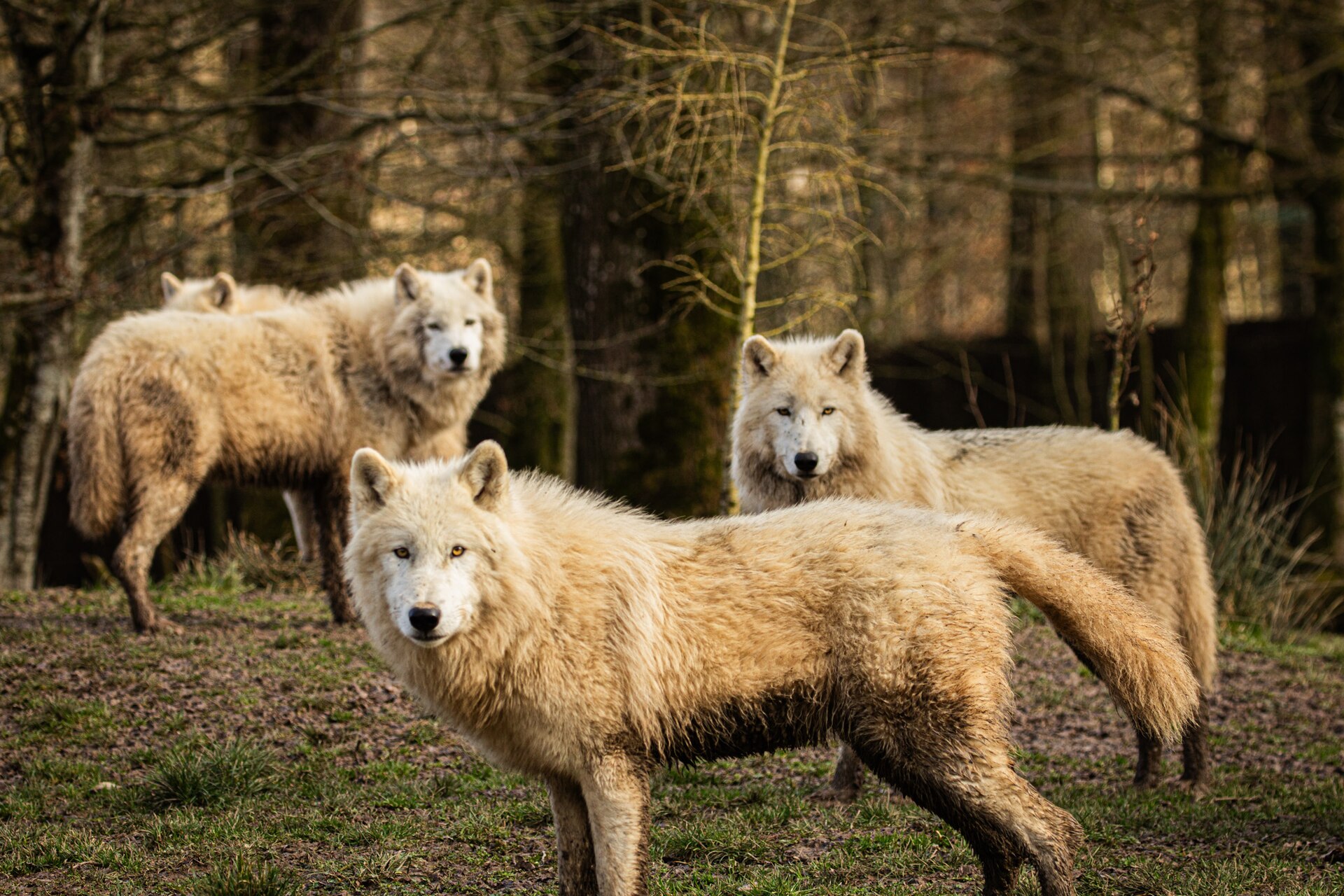 #5
#5
Rhodes, France
Parc Animalier de Sainte-Croix is a wildlife park located in the heart of 130 hectares of preserved nature in France. Established over 45 years ago, the park is dedicated to showcasing European wildlife and global biodiversity. Visitors can explore five distinct zones, each offering encounters with more than 1,500 animals from 130 different species living in semi-liberty. The park is renowned for its immersive experiences, such as nighttime wolf howling adventures and unique dining opportunities facing white wolf packs. Sainte-Croix also offers eco-labeled nature lodges, allowing guests to stay overnight close to the animals. Each year, the park welcomes over 360,000 visitors and plays a significant role in public education and biodiversity conservation.
 #6
#6
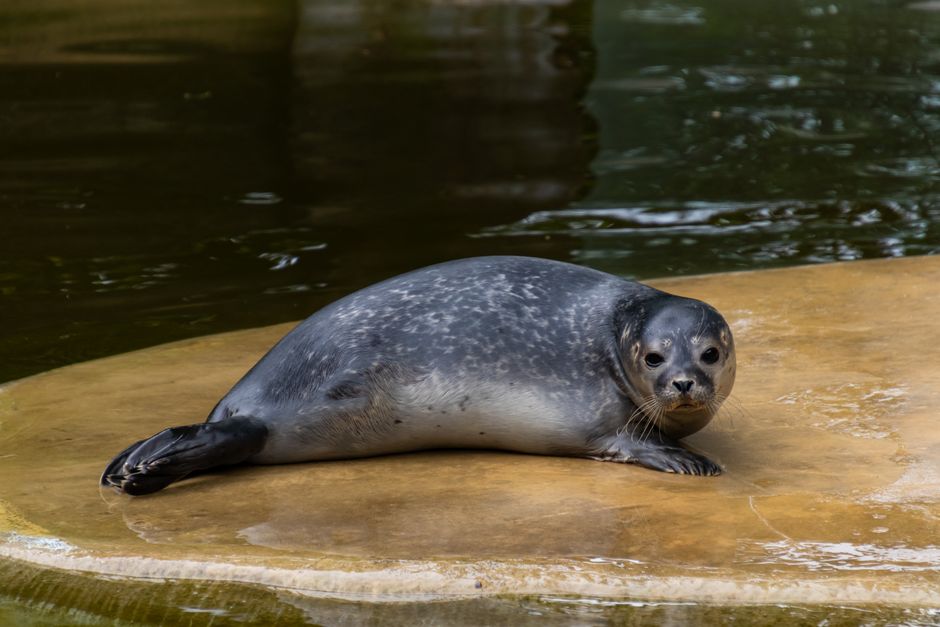
The Berlin Zoological Garden, known as Zoo Berlin, is the oldest zoo in Germany and one of the most visited in the country. Established 180 years ago, it has become a beloved institution for generations, evoking childhood memories and embracing modern developments. The zoo is renowned for its incredible diversity, being one of the most species-rich zoos in the world. Among its many residents are the only giant pandas in Germany, making it a unique attraction for visitors. Guests can expect a vibrant and diverse experience, reflecting the multicultural spirit of Berlin and offering close encounters with a wide variety of animals.
 #7
#7
Berlin, Germany
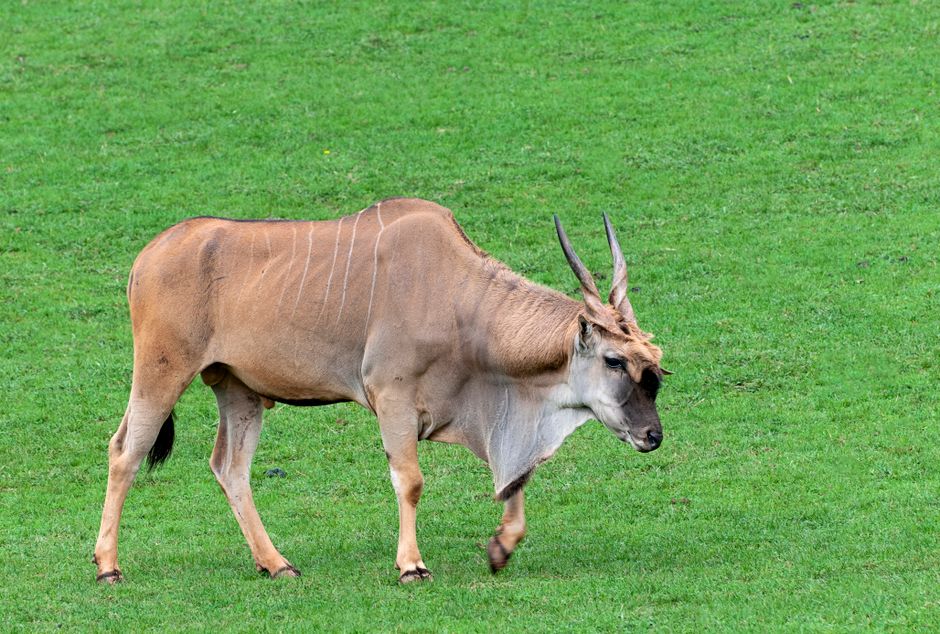
Tierpark Berlin is located in the heart of former East Berlin, not far from Alexanderplatz. Spanning 160 hectares, it is the largest zoo in Europe by area. The park surrounds the historic Friedrichsfelde Palace, offering visitors a unique blend of cultural heritage and natural beauty. Tierpark Berlin is home to animals from all over the world, providing expansive habitats and immersive experiences. Visitors can expect to see a wide variety of species, enjoy themed animal talks and feedings, and explore beautifully landscaped grounds.
 #8
#8
Cabárceno, Spain
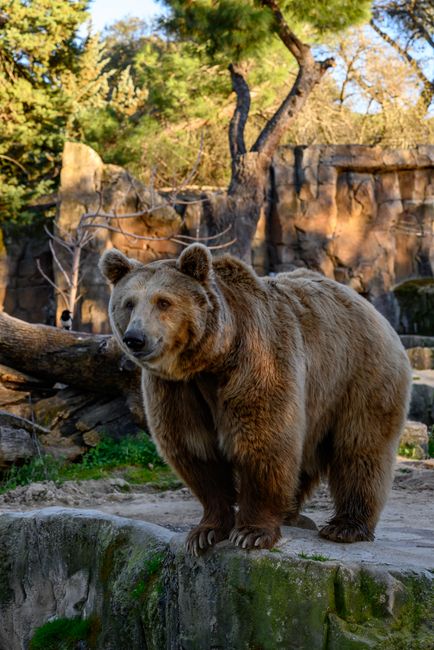
Cabárceno Natural Park, located near Santander in Cantabria, Spain, is a unique wildlife park set in a former open-pit mining area. Established on the site of an old iron mine, the park has been transformed into a vast natural reserve where over 120 animal species from five continents live in semi-freedom. Unlike traditional zoos, animals at Cabárceno inhabit large enclosures that closely resemble their natural habitats, allowing for more natural behaviors and interactions. Visitors can explore the park by car or on foot, following a network of roads and paths that wind through dramatic landscapes of rocky outcrops, lakes, and meadows. The park is renowned for its commitment to conservation and breeding programs, and it regularly hosts educational and scientific events. Guests can expect a memorable experience observing animals such as elephants, gorillas, rhinos, and exotic birds in a setting that blends nature, history, and wildlife.
 #10
#10
Madrid, Spain
Madrid Zoo, officially known as Zoo Aquarium de Madrid, is a prominent zoological park located in the Casa de Campo area of Madrid, Spain. The zoo is renowned for its combination of a traditional zoo and a large aquarium, offering visitors the chance to see a wide variety of terrestrial and aquatic animals in one place. It is a popular destination for families and tourists, featuring educational exhibits and interactive experiences such as sea lion and exotic bird shows. The zoo is involved in conservation and research efforts, particularly focusing on endangered species and public awareness. Visitors can expect a full day of exploration, learning, and entertainment, with opportunities to observe animals from around the world and participate in unique animal encounters.

