The best zoos around the world where you can see European Otter.
 #2
#2
Langnau im Emmental, Switzerland
Tierpark Langnau, officially known as Tierpark Langenberg, is part of the Wildnispark Zürich and is located in Langnau am Albis, near the cities of Zürich and Zug. The zoo specializes in native European wildlife, offering visitors the chance to encounter animals such as lynxes, which are bred and sometimes released into the wild to support conservation efforts. The park is known for its naturalistic enclosures and its commitment to providing animals with environments that closely resemble their natural habitats. Visitors can enjoy a variety of experiences, including guided tours, animal feeding demonstrations, and special events like brunches and safaris. The park is also involved in important conservation projects, such as the reintroduction of lynxes to help maintain healthy populations in Europe.
 #3
#3
Berlin, Germany
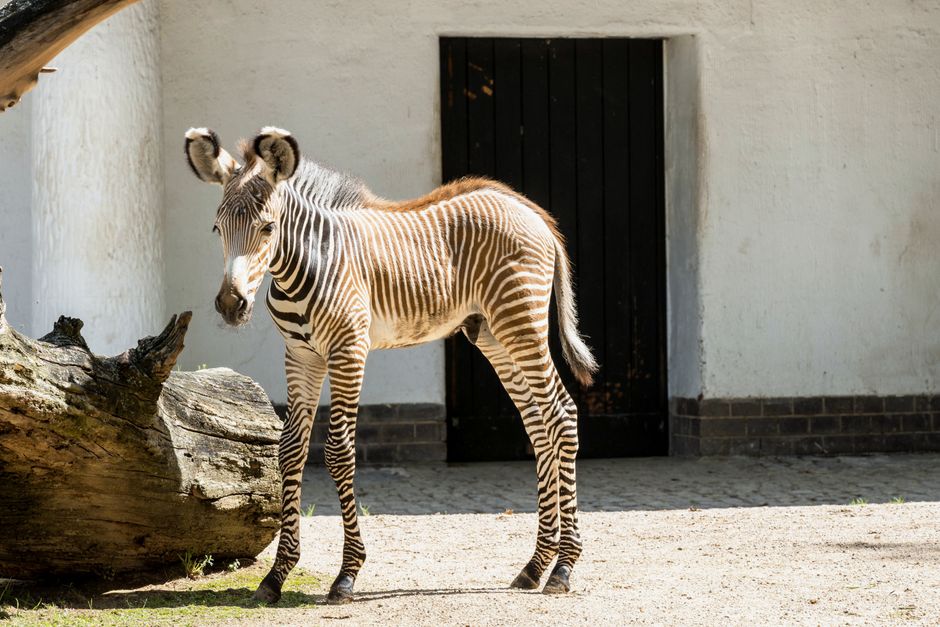
Berlin Zoo, known as Zoo Berlin, is the oldest zoo in Germany and one of the most visited in the country. Established 180 years ago, it has become a beloved institution for generations, evoking childhood memories and embracing modern developments. The zoo is renowned for its incredible diversity, being one of the most species-rich zoos in the world. Among its many residents are the only giant pandas in Germany, making it a unique attraction for animal lovers. Visitors can expect a vibrant and diverse experience, reflecting the multicultural spirit of Berlin and offering close encounters with a wide variety of animals.
 #4
#4
Cerny, Switzerland
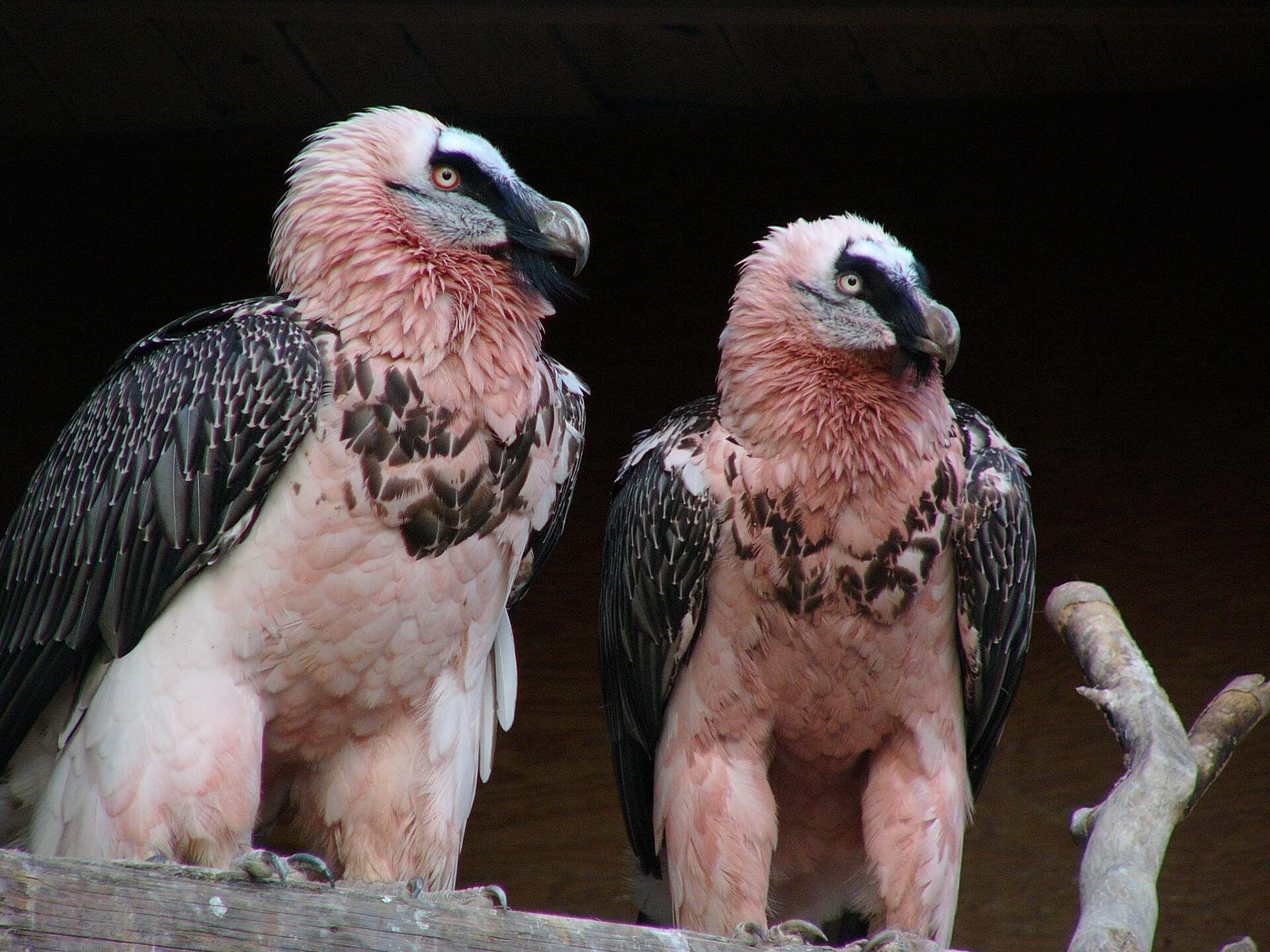
Zoo La Garenne, located in Le Vaud, Switzerland, is a wildlife park dedicated to the conservation and rehabilitation of native Swiss fauna. Established in 1965, the zoo has a long-standing history of caring for wild animals in distress and helping rare species to reproduce. Visitors can expect to see a wide variety of animals native to Switzerland, learn about local biodiversity, and witness the important work of the zoo's wildlife hospital. The park offers immersive experiences, educational workshops, and special events throughout the year, making it a popular destination for families and nature enthusiasts. In addition to animal exhibits, La Garenne features a playground, a restaurant serving local cuisine, and a boutique with regional crafts and souvenirs.
 #5
#5
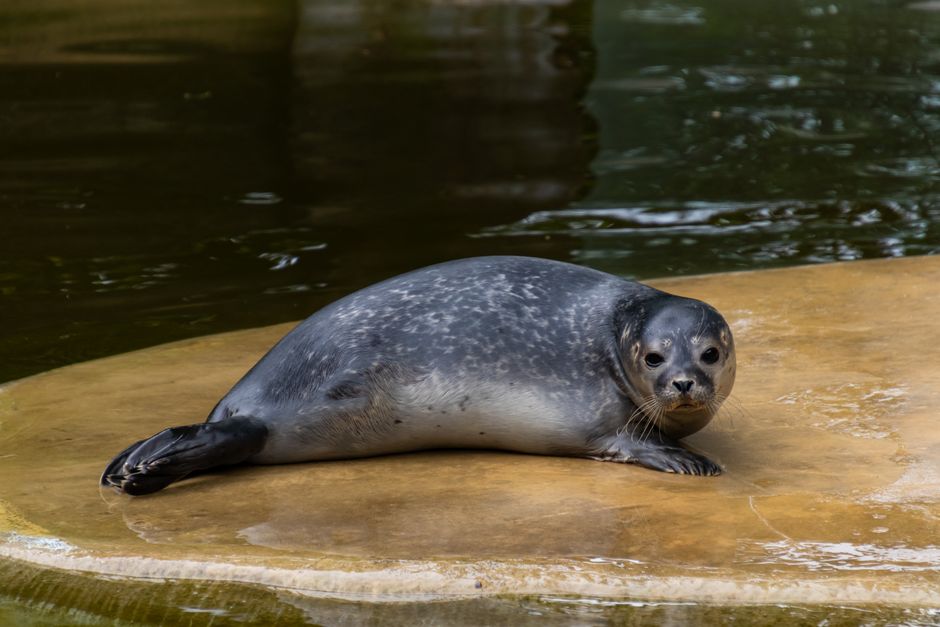
The Berlin Zoological Garden, known as Zoo Berlin, is the oldest zoo in Germany and one of the most visited in the country. Established 180 years ago, it has become a beloved institution for generations, evoking childhood memories and embracing modern developments. The zoo is renowned for its incredible diversity, being one of the most species-rich zoos in the world. Among its many residents are the only giant pandas in Germany, making it a unique attraction for visitors. Guests can expect a vibrant and diverse experience, reflecting the multicultural spirit of Berlin and offering close encounters with a wide variety of animals.
 #6
#6
Cologne, Germany
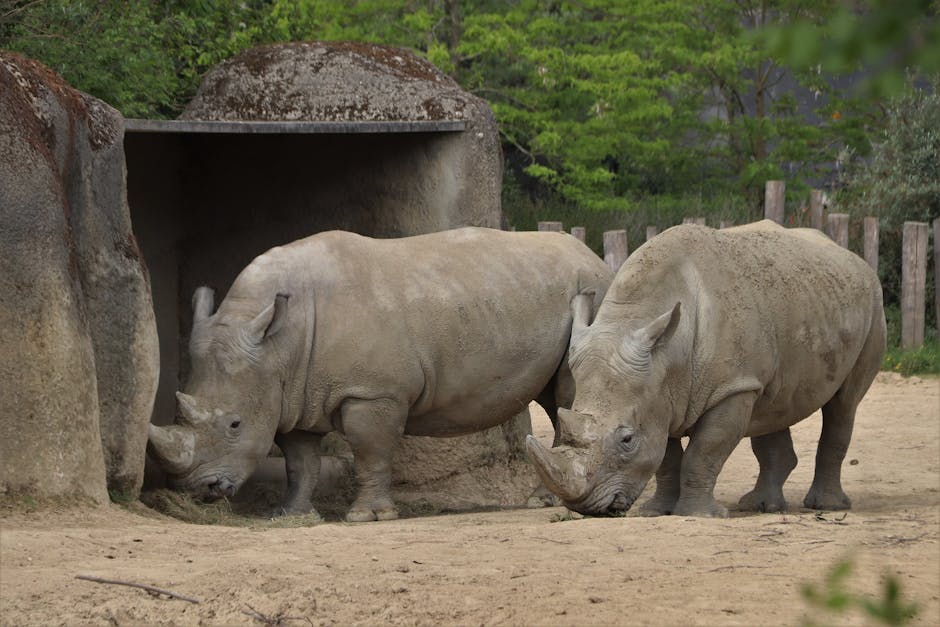
Cologne Zoological Garden, also known as Zoologischer Garten Köln, is the third oldest zoo in Germany, having opened its doors in 1860. Located in Cologne, North Rhine-Westphalia, the zoo spans over 20 hectares and is home to more than 10,000 animals representing over 850 species. The zoo is internationally renowned and features an attached aquarium and invertebrate exhibit, making it a diverse destination for animal lovers. Visitors can explore a variety of themed exhibits, including a great ape tropical house, Southeast Asian rainforest hall, and a modern Asian elephant park. The zoo is also active in conservation efforts, particularly focusing on endangered species and supporting research and breeding programs in collaboration with Cologne University.
 #7
#7
Paris, France
The Paris Zoological Park, also known as Parc zoologique de Paris or Vincennes Zoo, is a major zoological facility located in the 12th arrondissement of Paris. It was established in 1934 as a complement to the historic Ménagerie du Jardin des plantes, with a focus on providing animals with more suitable and naturalistic environments. The zoo is renowned for its iconic 65-meter-high artificial rock, known as the "Big Rock," which is a prominent feature visible from afar and a symbol of the park. Covering 14.5 hectares, the zoo houses around 1,000 animals representing 180 species, and includes a 4,000 square meter greenhouse simulating a tropical rainforest climate. After closing for extensive renovations from 2008 to 2014, the zoo reopened with modernized habitats grouped into five major natural environments, or biozones, designed to meet contemporary standards for animal welfare and visitor experience.
 #8
#8
Córdoba, Spain
Zoo de la Ciudad de Córdoba, officially known as Centro de Conservación Zoo Córdoba, is one of the earliest zoos established in Spain. It began as a small zoo of 8,000 square meters in June 1967 and was officially inaugurated on May 15, 1968, coinciding with the first Congress of the Iberian Union of Zoos. Over the years, it has evolved into a conservation center spanning just over 4.5 hectares. The zoo is home to more than 500 animals representing over 100 different species, including mammals, birds, and reptiles. Visitors can expect to see a diverse collection of fauna from Africa, America, Asia, Australia, and Europe, as well as native Iberian species. The zoo is dedicated to scientific research, species conservation, and environmental education, making it a significant institution for wildlife preservation in the region.

