All zoos in Europe where you can see Green Macaw.
 #1
#1
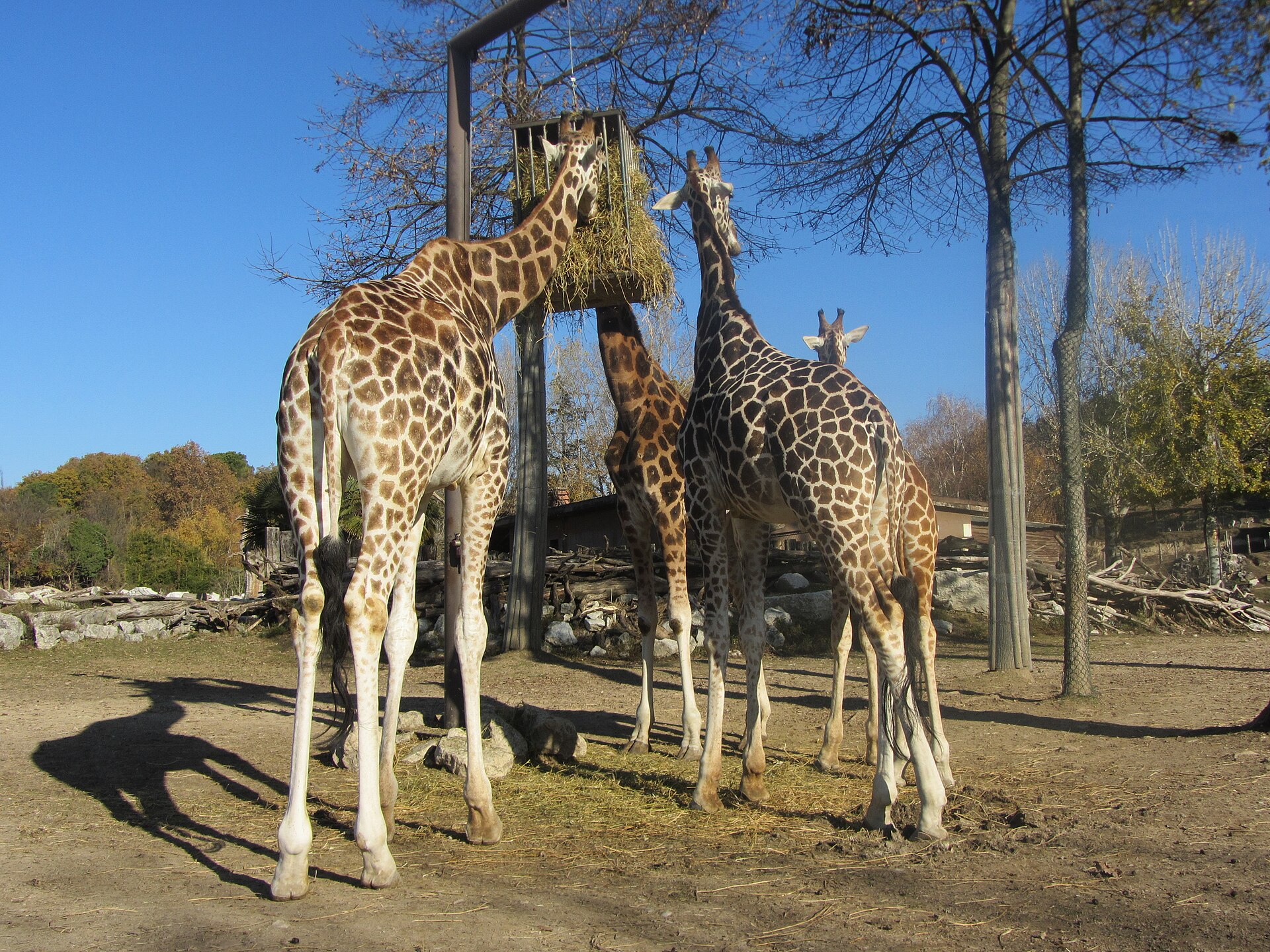
Bardolino, Italy
Parco Natura Viva is the largest zoo in Italy, offering visitors an immersive journey across five continents. Established as a modern zoological park, it is home to over 1,500 animals representing more than 200 species from around the world. The zoo features both a safari experience, where guests can drive their own car or take a guided Safari Bus to observe African wildlife, and a pedestrian path through lush oak forests and diverse habitats. Unique attractions include the House of Dragon, showcasing rare reptiles, and the Jurassic Adventure, which brings extinct giants like dinosaurs to life. Visitors can also enjoy daily expert talks, interactive experiences such as feeding meerkats, and a variety of themed events throughout the year.
 #2
#2
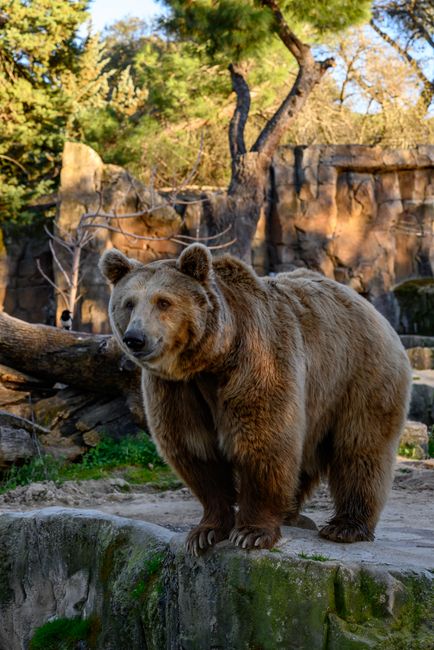
Madrid, Spain
Madrid Zoo, officially known as Zoo Aquarium de Madrid, is a prominent zoological park located in the Casa de Campo area of Madrid, Spain. The zoo is renowned for its combination of a traditional zoo and a large aquarium, offering visitors the chance to see a wide variety of terrestrial and aquatic animals in one place. It is a popular destination for families and tourists, featuring educational exhibits and interactive experiences such as sea lion and exotic bird shows. The zoo is involved in conservation and research efforts, particularly focusing on endangered species and public awareness. Visitors can expect a full day of exploration, learning, and entertainment, with opportunities to observe animals from around the world and participate in unique animal encounters.
 #3
#3
Córdoba, Spain
Zoo de la Ciudad de Córdoba, officially known as Centro de Conservación Zoo Córdoba, is one of the earliest zoos established in Spain. It began as a small zoo of 8,000 square meters in June 1967 and was officially inaugurated on May 15, 1968, coinciding with the first Congress of the Iberian Union of Zoos. Over the years, it has evolved into a conservation center spanning just over 4.5 hectares. The zoo is home to more than 500 animals representing over 100 different species, including mammals, birds, and reptiles. Visitors can expect to see a diverse collection of fauna from Africa, America, Asia, Australia, and Europe, as well as native Iberian species. The zoo is dedicated to scientific research, species conservation, and environmental education, making it a significant institution for wildlife preservation in the region.

