All zoos in Europe where you can see Indian Muntjak.
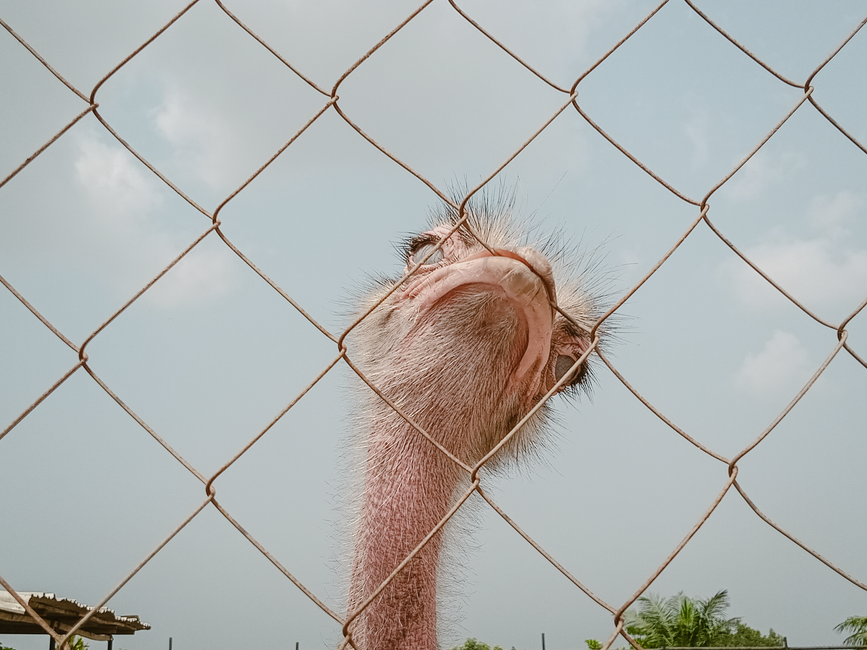 #1
#1
Lagos, Portugal
Wildlife Park Lagos, also known as Zoo de Lagos, is a zoological park located in Lagos, Portugal. The zoo is home to over 170 species from five different continents, offering visitors a diverse and educational experience. It is dedicated to conservation and provides opportunities for guests to learn about animals from around the world. The park also hosts birthday celebrations and features an online shop with exclusive animal-themed merchandise. Visitors can expect a family-friendly environment with a focus on wildlife appreciation and global biodiversity.
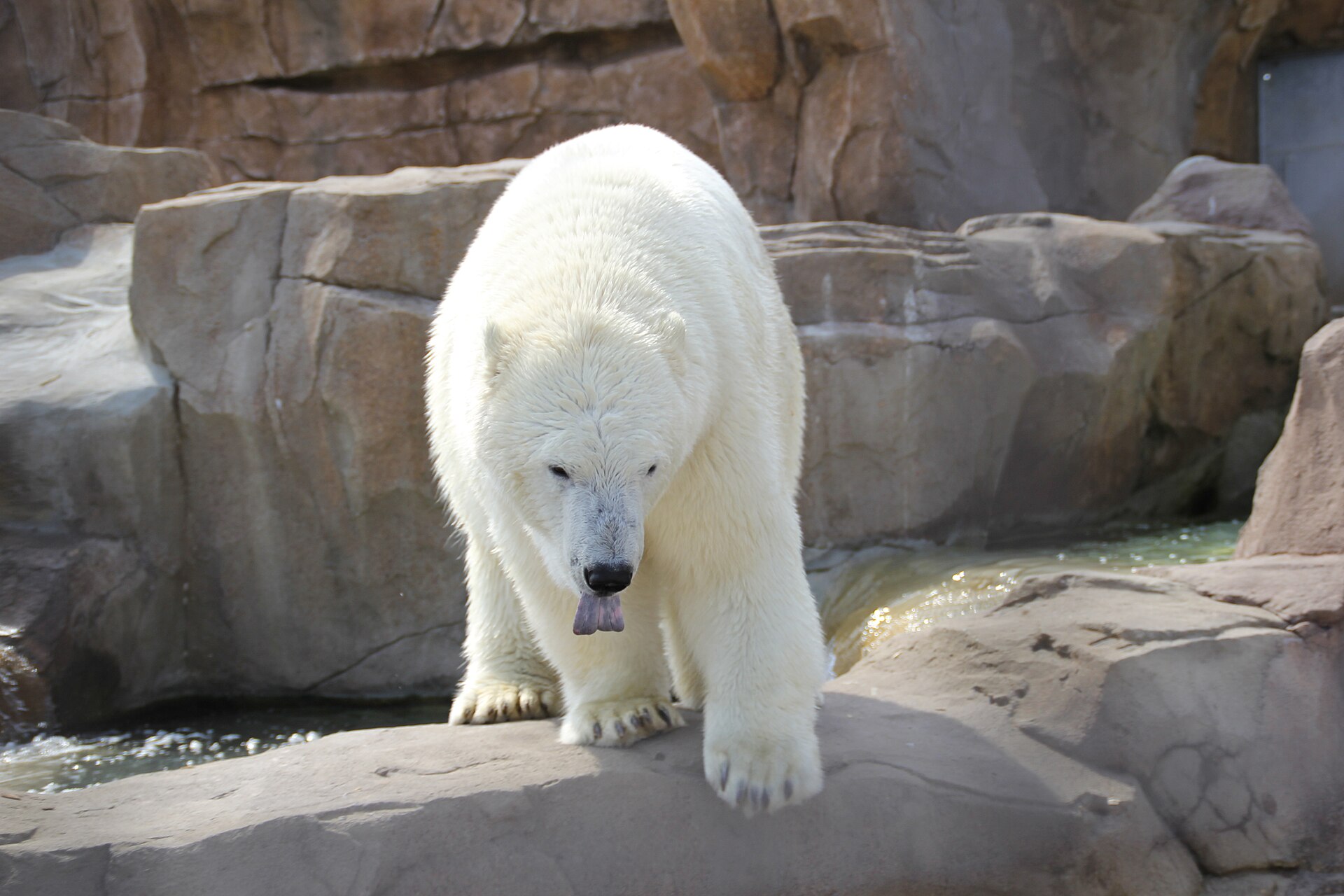 #2
#2
Estepona, Spain
Selwo Aventura is a unique wildlife park located near Málaga, Spain, offering visitors the chance to experience an authentic safari adventure without leaving the country. The park is designed to immerse guests in a journey across different continents, featuring animals from Africa, Asia, and beyond. Selwo Aventura is known for its expansive grounds and themed experiences, including guided safaris and VIP private tours that allow access to restricted areas and close encounters with rare species. The park is actively involved in conservation efforts, such as participating in the release of endangered animals like the grey parrot and hosting critically endangered species such as the Sumatran elephant. Visitors can also extend their adventure by staying overnight at the on-site Selwo Lodge, which includes breakfast and a safari experience.
 #3
#3
Córdoba, Spain
Zoo de la Ciudad de Córdoba, officially known as Centro de Conservación Zoo Córdoba, is one of the earliest zoos established in Spain. It began as a small zoo of 8,000 square meters in June 1967 and was officially inaugurated on May 15, 1968, coinciding with the first Congress of the Iberian Union of Zoos. Over the years, it has evolved into a conservation center spanning just over 4.5 hectares. The zoo is home to more than 500 animals representing over 100 different species, including mammals, birds, and reptiles. Visitors can expect to see a diverse collection of fauna from Africa, America, Asia, Australia, and Europe, as well as native Iberian species. The zoo is dedicated to scientific research, species conservation, and environmental education, making it a significant institution for wildlife preservation in the region.

