The best zoos around the world where you can see Japanese Macaque.
 #1
#1
Royal Oak, United States of America
The Detroit Zoo is a major zoological park located in Michigan, known for its expansive naturalistic habitats and diverse animal collection. Established as a leader in animal care and welfare, the zoo is home to more than 2,000 animals representing over 200 species, offering visitors the chance to see everything from leaping frogs to roaring lions. The zoo frequently introduces new exhibits and interactive experiences, such as the Erb Discovery Trails, a seven-acre adventure area designed for hands-on and up-close encounters with animals. Visitors can expect a blend of educational programs, behind-the-scenes experiences, and seasonal events that make each visit unique. The Detroit Zoo is also actively involved in global conservation efforts, supporting wildlife and habitats on all seven continents.
 #2
#2
Stuttgart, Germany
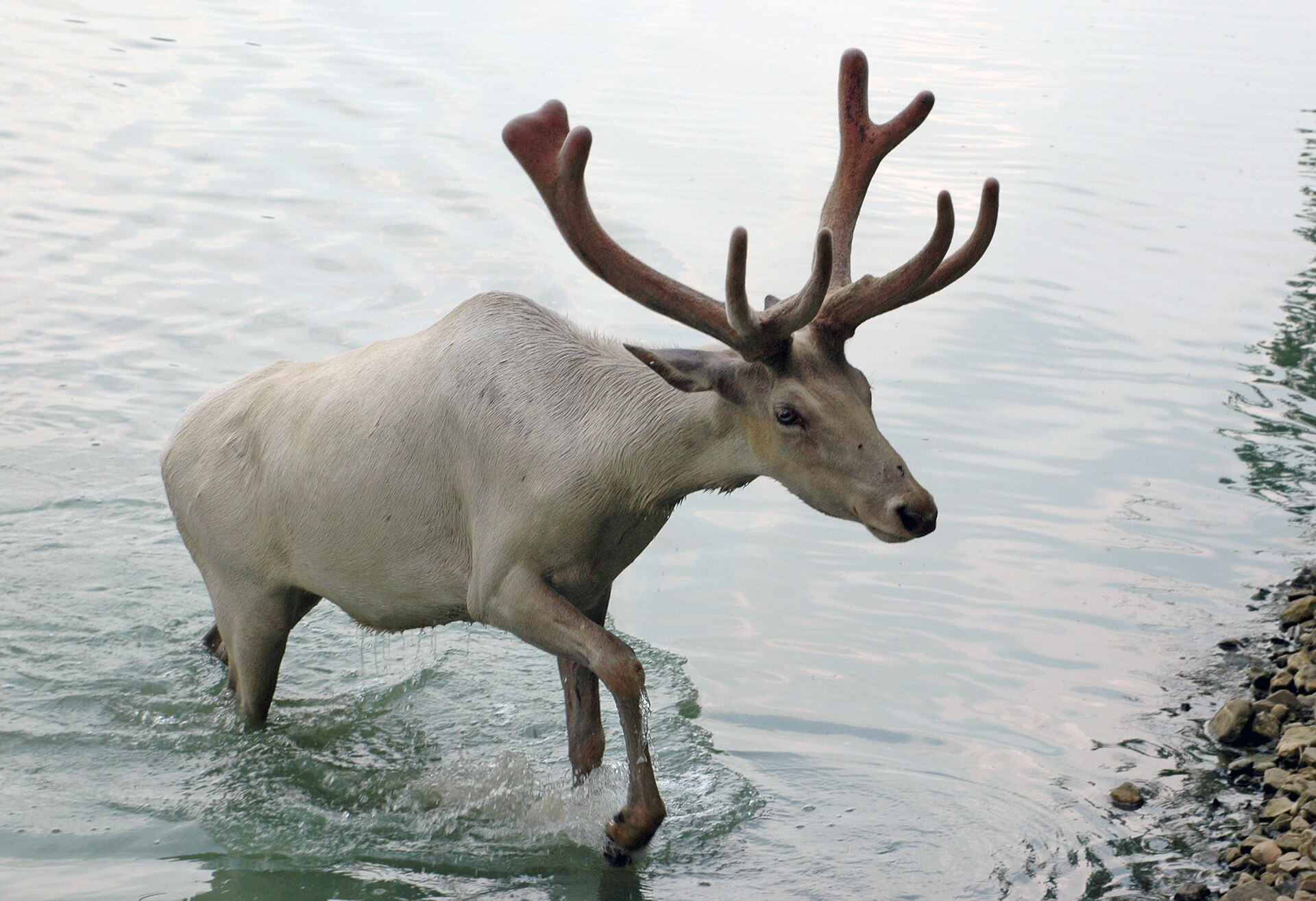
Wilhelma Zoological and Botanical Garden, located in Stuttgart, Germany, is a unique combination of zoo and botanical garden. It is renowned for its historical architecture, originally built as a royal palace in the mid-19th century, which now houses a diverse collection of animals and plants. Visitors can explore a wide variety of animal species from around the world, as well as extensive botanical displays, including greenhouses and themed gardens. The zoo regularly hosts educational events and interactive programs for children and families. Wilhelma is also actively involved in global conservation projects, supporting the protection of endangered species and habitats.
 #3
#3
Granby, Canada
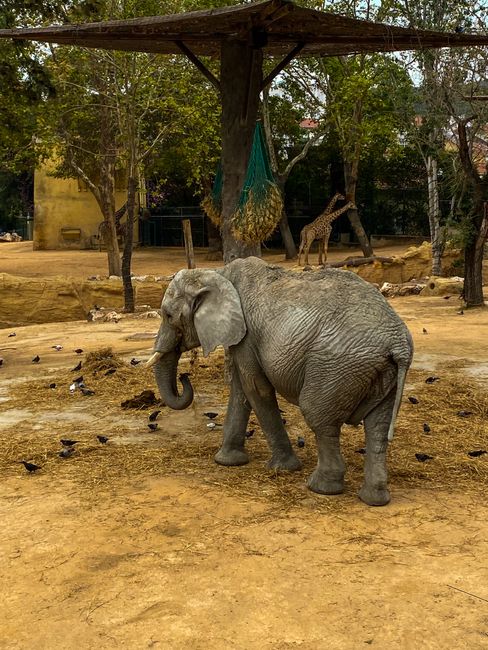
Granby Zoo, located in Granby, Quebec, is one of the province's major tourist attractions. Founded in 1953 by then-mayor Pierre-Horace Boivin, the zoo has grown to house over 1,800 animals representing 230 species from around the world, including Africa, Asia, South America, and Oceania. Visitors can explore themed sections such as Asia, which features a geodesic dome designed by the architect of Montreal's Biosphere, and Oceania, known for its interactive experiences like stingray touch tanks and lorikeet feeding. The zoo is also home to the Amazoo water park and an amusement park inspired by the Johnny Test animated series, offering a diverse range of activities for families. With an annual visitor count exceeding half a million, Granby Zoo is recognized for its extensive animal collection, immersive exhibits, and unique attractions that set it apart from other Canadian zoos.
 #4
#4
Lisbon, Portugal
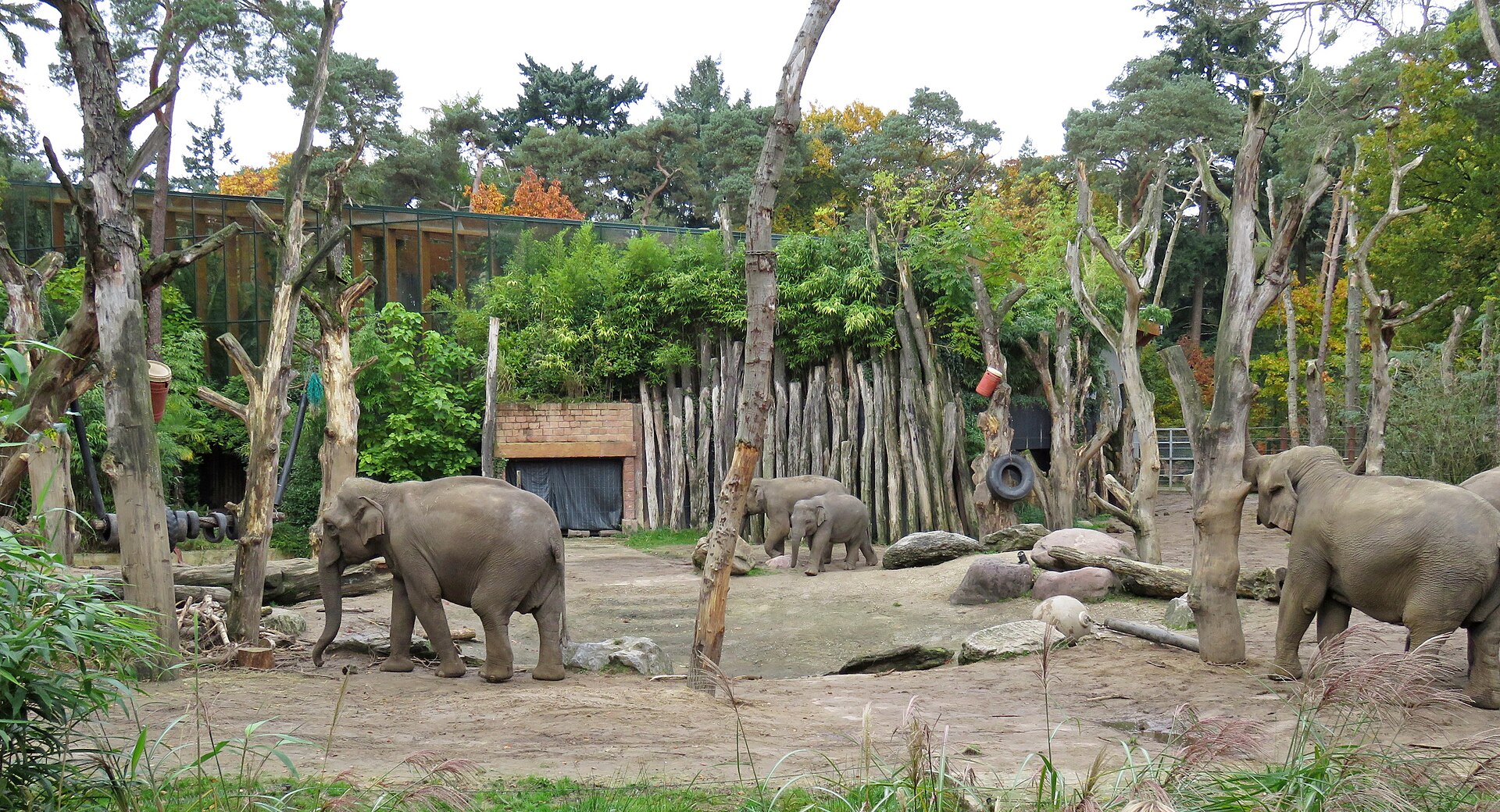
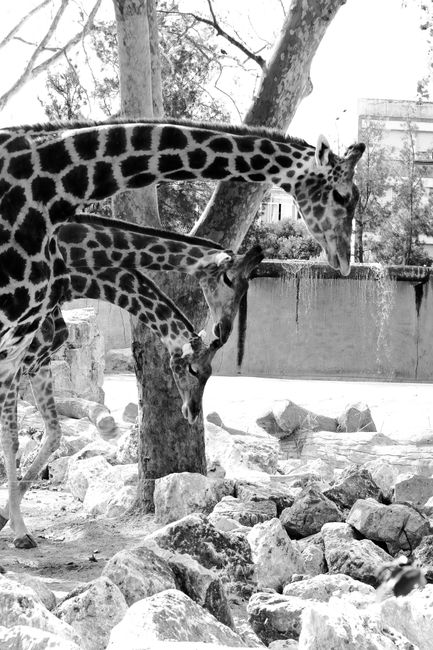
Lisbon Zoo, officially known as Jardim Zoológico, was inaugurated in 1884 and is one of the oldest zoos in Europe. Located in Lisbon, Portugal, the zoo has a long-standing mission to develop and promote an excellent zoological and botanical park. It serves as a center for the conservation of vulnerable and endangered species, combining scientific research, environmental enrichment programs, and educational initiatives. Visitors can expect to see a diverse collection of animals, including recent additions like young Siberian tigers and a newborn chimpanzee. The zoo offers a variety of attractions and activities for all ages, making it a popular destination for families and animal enthusiasts.
 #5
#5
Amersfoort, Netherlands
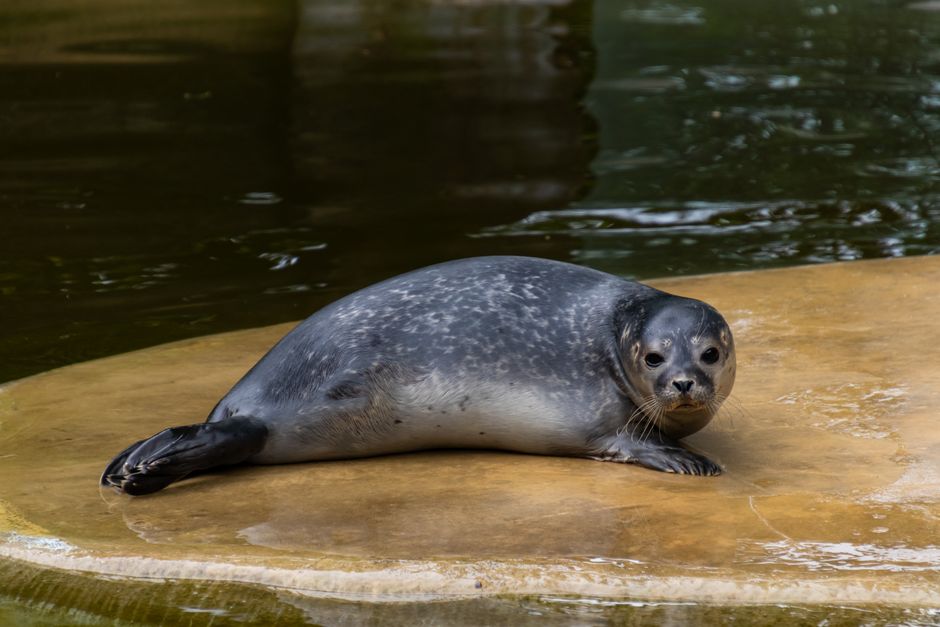
DierenPark Amersfoort is a zoo located in the Netherlands, known for its adventurous and child-friendly atmosphere. The zoo offers visitors the chance to meet a wide variety of animals, including rare species such as the Somali wild ass, which was recently introduced to the park. One of the highlights for families is the interactive 'Klim Alles-route', where children can climb and scramble to get close to the animals. The park also features unique experiences such as boat rides past giraffes and zebras, and a dedicated Dinopark area. Throughout the year, DierenPark Amersfoort hosts special events and festivals, making each visit a new adventure for guests of all ages.
 #6
#6
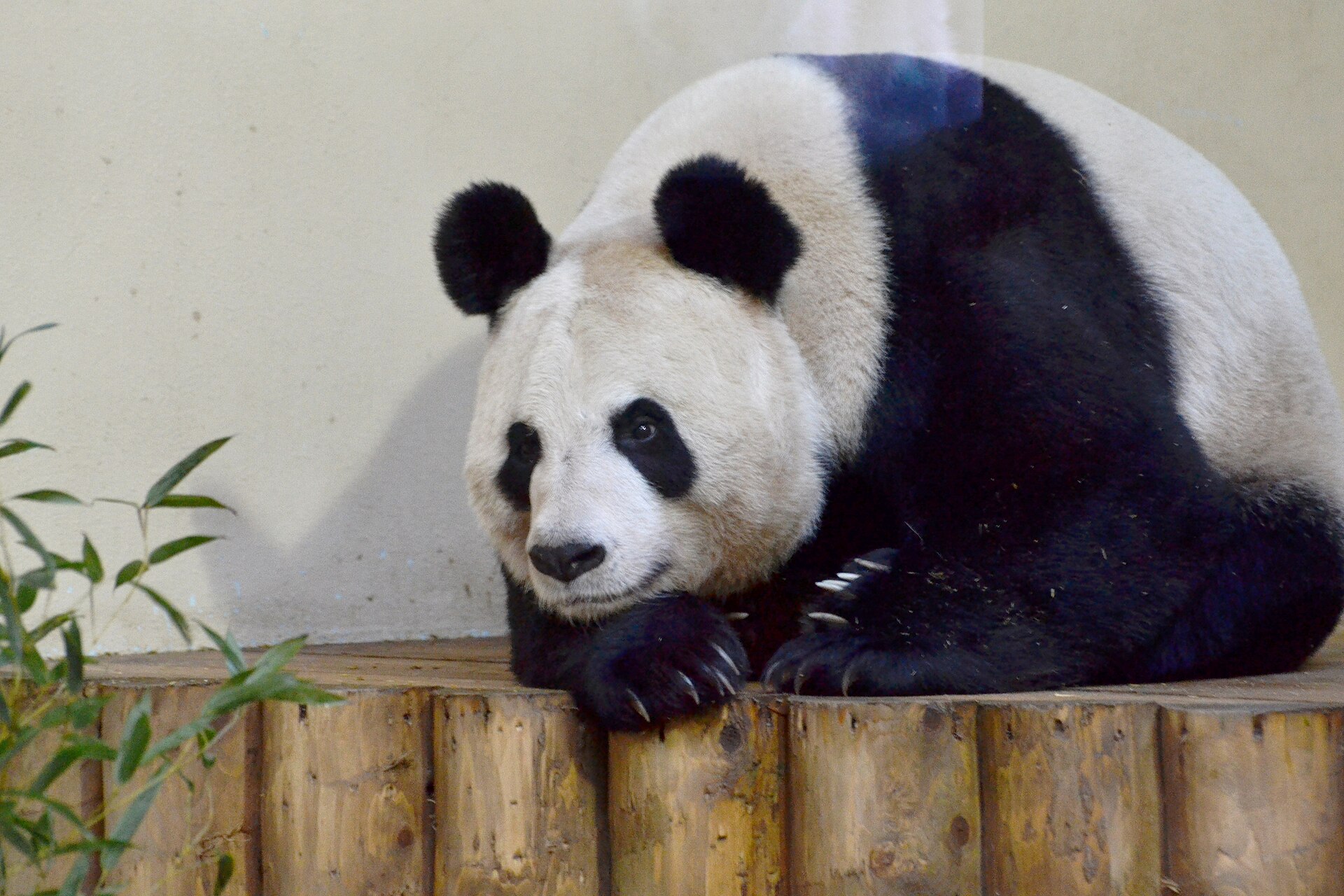
The Berlin Zoological Garden, known as Zoo Berlin, is the oldest zoo in Germany and one of the most visited in the country. Established 180 years ago, it has become a beloved institution for generations, evoking childhood memories and embracing modern developments. The zoo is renowned for its incredible diversity, being one of the most species-rich zoos in the world. Among its many residents are the only giant pandas in Germany, making it a unique attraction for visitors. Guests can expect a vibrant and diverse experience, reflecting the multicultural spirit of Berlin and offering close encounters with a wide variety of animals.
 #7
#7
Rome, Italy
Bioparco di Roma is a 17-hectare zoological garden located within the historic Villa Borghese estate in Rome, Italy. Established in 1911, it is the oldest zoo in Italy and was originally designed to entertain and amuse the public, rather than serve purely scientific purposes. The zoo was conceived by Carl Hagenbeck, who pioneered the use of ditches and pits instead of bars, creating more naturalistic enclosures for the animals. Over the years, Bioparco di Roma has expanded and renovated its facilities, including the addition of a large aviary and a reptile house. Today, visitors can expect to see over 1,100 animals representing more than 220 species, including mammals, birds, and reptiles, in a lush, green setting.
 #8
#8
Edinburgh, United Kingdom of Great Britain and Northern Ireland
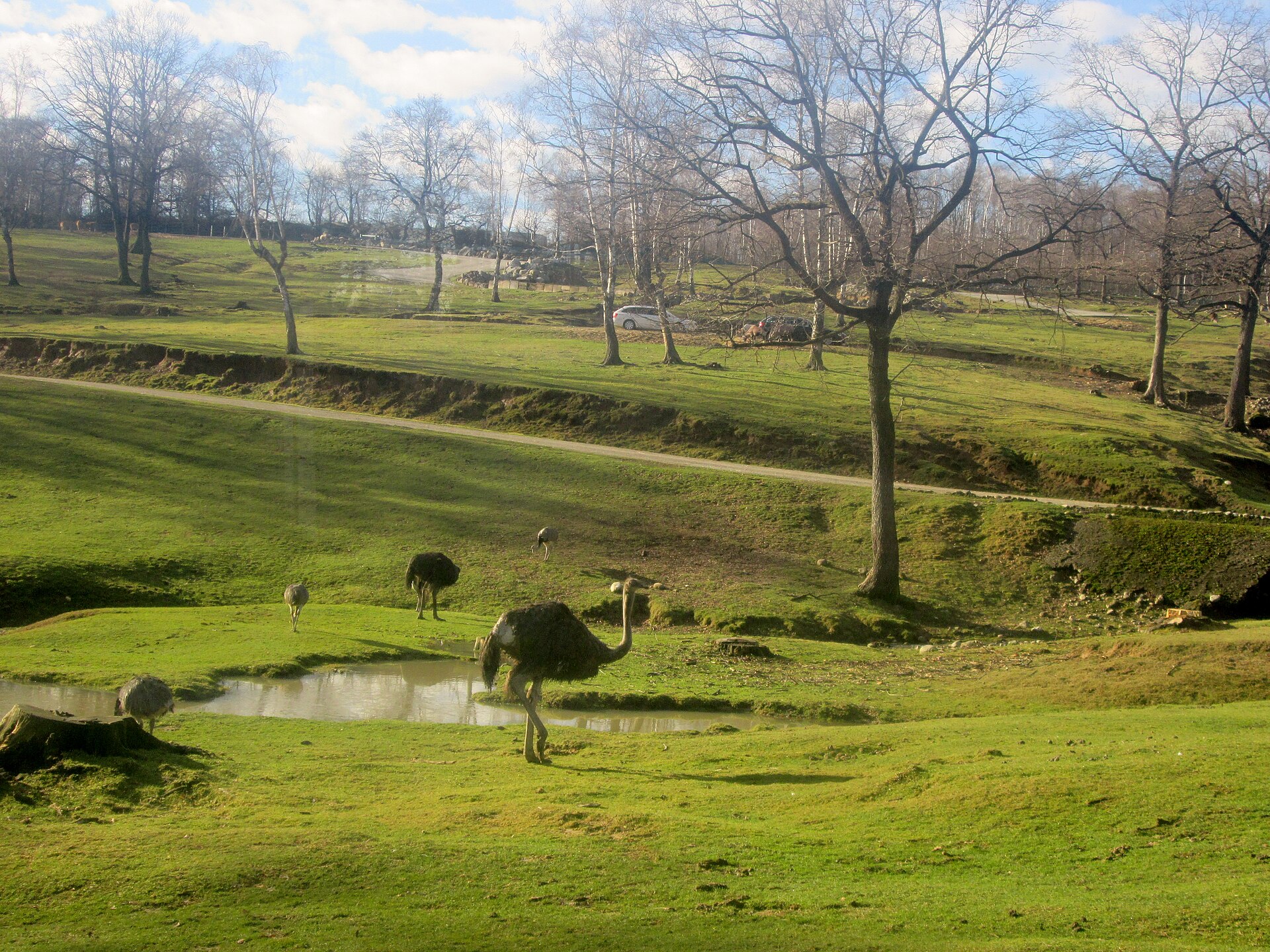
Edinburgh Zoo is home to the Royal Zoological Society of Scotland (RZSS) and houses over 2,500 animals from around the world. The zoo serves as a gateway to the natural world, offering visitors the chance to experience nature up close and learn about the challenges facing wildlife today. Established as a wildlife conservation charity, Edinburgh Zoo is actively involved in efforts to save animals from extinction, both locally in Scotland and globally. Visitors can expect a variety of engaging experiences, including opportunities to meet animals, participate in events, and learn about conservation initiatives. The zoo is committed to creating deeper connections with nature for more than a million people and aims to reverse the decline of at least 50 species by 2030.
 #9
#9
Naples, Italy
Zoo di Napoli, also known as the Naples Zoo, is a zoological garden and biopark located in Naples, Italy. The zoo is dedicated to bringing visitors closer to nature and plays a significant role in biodiversity conservation. Every day, a team of veterinarians, keepers, biologists, zoologists, and educators work together to care for the animals and promote environmental awareness. The zoo collaborates with local authorities and European wildlife rescue centers to rehabilitate animals rescued from mistreatment and illegal captivity. Visitors can expect to learn about sustainable development, animal welfare, and the importance of protecting ecosystems through educational activities and scientific outreach.

