All zoos in Europe where you can see Leopard Gecko.
 #1
#1
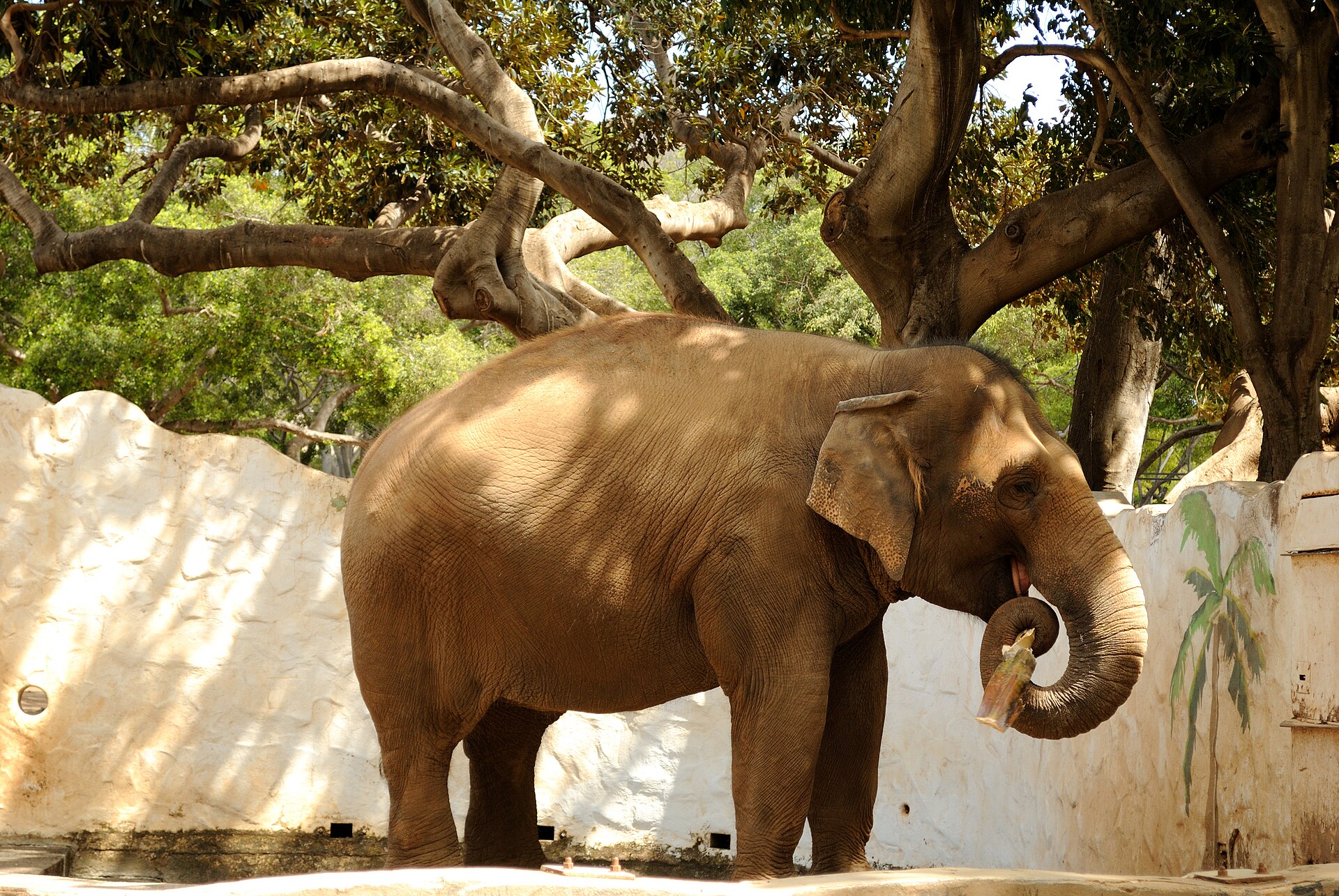
Avintes, Portugal
Zoo Santo Inácio is the largest and greenest zoo in northern Portugal, located just 10 minutes from the center of Porto in Vila Nova de Gaia. The zoo is home to over 500 animals representing more than 100 different species, offering visitors a chance to experience a wide variety of wildlife up close. Established with a strong mission of conservation, the zoo is dedicated to the protection and preservation of wild species, especially those threatened with extinction. Visitors can expect immersive experiences such as observing lions through a glass tunnel, participating in seasonal events like the 'Wild Lights' nighttime illumination, and engaging in educational activities for all ages. The zoo is praised for its spacious, natural environment, well-maintained facilities, and friendly, professional staff, making it an ideal destination for families and nature enthusiasts.
 #2
#2
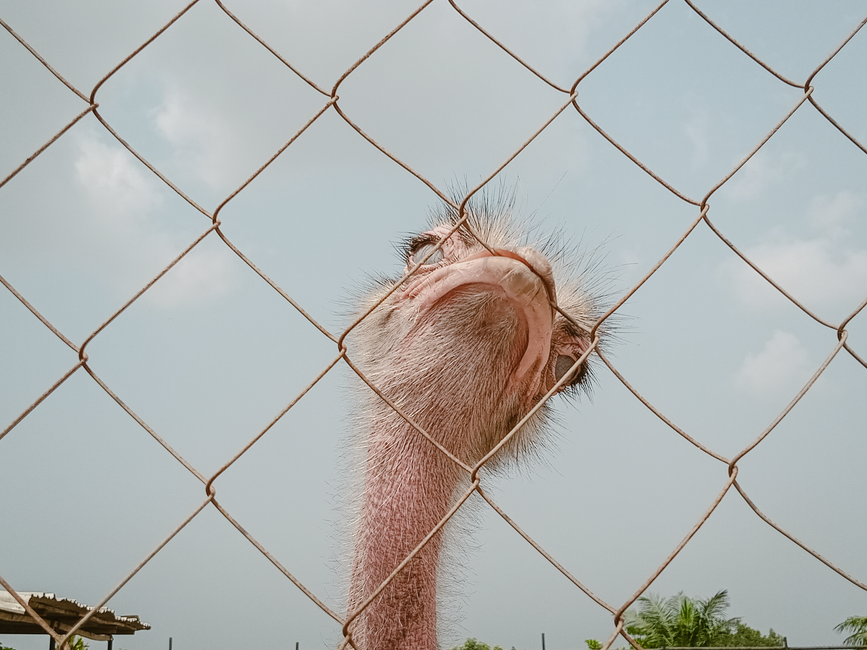
Lagos, Portugal
Wildlife Park Lagos, also known as Zoo de Lagos, is a zoological park located in Lagos, Portugal. The zoo is home to over 170 species from five different continents, offering visitors a diverse and educational experience. It is dedicated to conservation and provides opportunities for guests to learn about animals from around the world. The park also hosts birthday celebrations and features an online shop with exclusive animal-themed merchandise. Visitors can expect a family-friendly environment with a focus on wildlife appreciation and global biodiversity.
 #3
#3
Córdoba, Spain
Zoo de la Ciudad de Córdoba, officially known as Centro de Conservación Zoo Córdoba, is one of the earliest zoos established in Spain. It began as a small zoo of 8,000 square meters in June 1967 and was officially inaugurated on May 15, 1968, coinciding with the first Congress of the Iberian Union of Zoos. Over the years, it has evolved into a conservation center spanning just over 4.5 hectares. The zoo is home to more than 500 animals representing over 100 different species, including mammals, birds, and reptiles. Visitors can expect to see a diverse collection of fauna from Africa, America, Asia, Australia, and Europe, as well as native Iberian species. The zoo is dedicated to scientific research, species conservation, and environmental education, making it a significant institution for wildlife preservation in the region.

